
Unbiased headlines. Facts, not spin.
Every story is an unbiased news briefing written from 110+ sources across the spectrum — sources linked so you can verify it yourself.
 finance
Notable (5/10)
June 7, 2026 at 04:09 AM
finance
Notable (5/10)
June 7, 2026 at 04:09 AM
ECB Set to Hike Rates as Iran War Energy Shock Forces G7's Hand — While Fed and Bank of England Stay Frozen
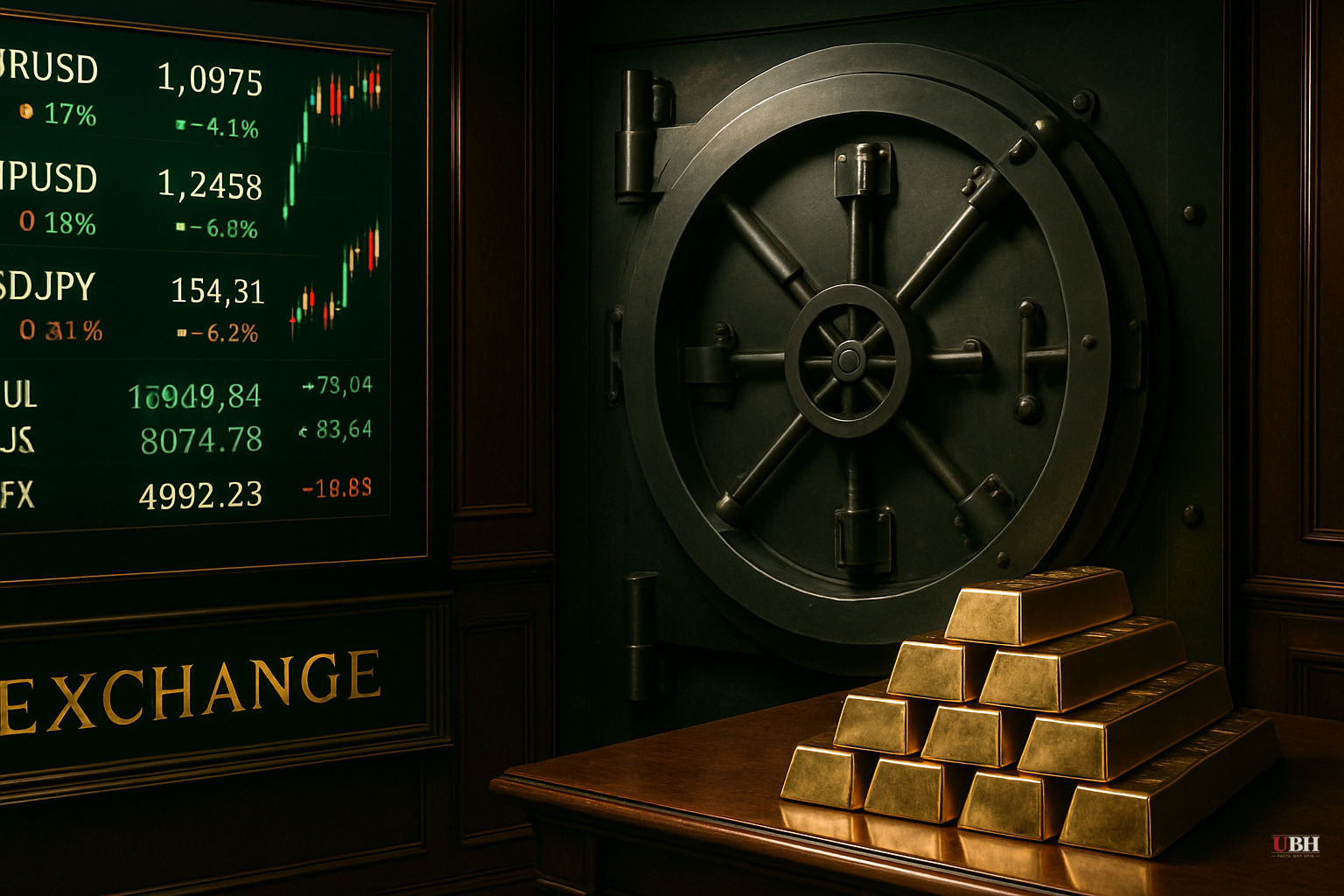
Since the U.S. attack on Iran sent energy prices surging and reshaped global monetary policy, the economic fallout has been compounding week by week — and this week the European Central Bank is expected to formalize just how serious it is.
ECB Moves. Everyone Else Waits.
A quarter-point rate hike from the ECB is expected Thursday, according to Bloomberg News via the Financial Post. That would make the ECB the most hawkish major central bank on the planet right now. Not the Fed. Not the Bank of England. Frankfurt.
The Bank of Canada is expected to hold rates steady on Wednesday. The U.S. Federal Reserve and the Bank of England are both likely to keep settings unchanged later this month. They're watching and waiting. ECB President Christine Lagarde doesn't have that luxury.
Euro-zone inflation is at its fastest pace since 2023, according to Bloomberg. The ECB's mandate is price stability. They don't get to just hope the energy shock resolves itself.
The Problem With Hiking Into a Weak Economy
Lagarde faces a difficult trade-off: the euro-zone economy already had feeble underlying momentum before Iran. Now she's tightening credit into an economy that's getting squeezed from both ends — high energy costs and higher borrowing costs.
At least one more hike is penciled in for later this year, per Bloomberg. If energy prices don't stabilize, that number could go higher.
Investors are watching Lagarde's Thursday press conference closely. The ECB will release multiple scenarios for how the energy shock could play out, alongside quarterly economic forecasts. Those forecasts almost certainly will not be pretty.
What the Mainstream Coverage Is Missing
Most financial media coverage is treating the rate hike like a routine monetary policy story. That misses the larger picture.
This is the ECB being forced into the position of global monetary hawk because Washington launched a military operation that blew up the energy market. Europe didn't vote on that. Europe's businesses and consumers are paying for it anyway.
The Financial Post coverage, citing Bloomberg, acknowledges the direct causal chain: U.S. attack on Iran → energy shock → fastest euro-zone inflation since 2023 → ECB forced to hike. Most American outlets are covering the Fed's inaction as the main story and treating European tightening as a footnote. That framing gets it backwards.
The Shipping Numbers Tell the Real Story
Container shipping rates tell the story. Asia-to-U.S. container rates have spiked 109% since the Iran war started, according to Bloomberg via the Financial Post. That's a doubling.
Higher fuel costs, port congestion in Asia, and surging demand heading into peak shipping season are all feeding the spike simultaneously. Every one of those costs eventually lands on American consumers in the form of higher prices at the register.
The Fed is watching. But it's not moving.
Why Oil Isn't at $200 — Yet
One piece of good news: despite the Strait of Hormuz fears that have dominated forecasts for decades, crude oil has stayed below $100 a barrel. Bloomberg reports that a "slew of workarounds" is keeping prices from the catastrophic levels many analysts predicted.
What those workarounds are, exactly, the sources don't fully detail. Spare OPEC+ capacity, strategic reserve releases, and rerouted supply chains are all likely factors. But "below $100" is not the same as "under control." The floor is still elevated. The risk is still live.
The EU's Response: Cut Energy Taxes
On the fiscal side, the European Union is developing plans to cut taxes on renewable energy and make electricity systems more flexible, according to Bloomberg. The goal is to reduce power bills that are crushing the regional economy.
But this takes time. Tax policy doesn't lower your bill this month. Rate hikes, on the other hand, start biting immediately.
What This Means for Regular People
American consumers might dismiss this as a European problem, but the effects cut across borders.
Container shipping rates up 109% means the goods imported from Asia cost more. Energy prices elevated globally means fuel, manufacturing, and logistics costs stay high across the board. If the ECB keeps hiking while the Fed stays frozen, the dollar-euro dynamics shift in ways that ripple through every multinational company with U.S. stock exposure.
The Iran war's economic consequences aren't contained to the Middle East or Europe. They're working their way through every supply chain, every shipping lane, and every energy bill on earth.
Washington launched the operation. The world is still calculating the tab.
Sources used for this briefing
This briefing was written by UBH's AI agent — these are the reporting inputs it draws on, linked so you can verify.


