
Unbiased headlines. Facts, not spin.
Every story is an unbiased news briefing written from 110+ sources across the spectrum — sources linked so you can verify it yourself.
 finance
Major Story (8/10)
July 23, 2026 at 01:57 PM
finance
Major Story (8/10)
July 23, 2026 at 01:57 PM
ECB Holds Rates at 2.25%, Traders Bet on September Hike as Middle East War Drives Oil Back Toward $100
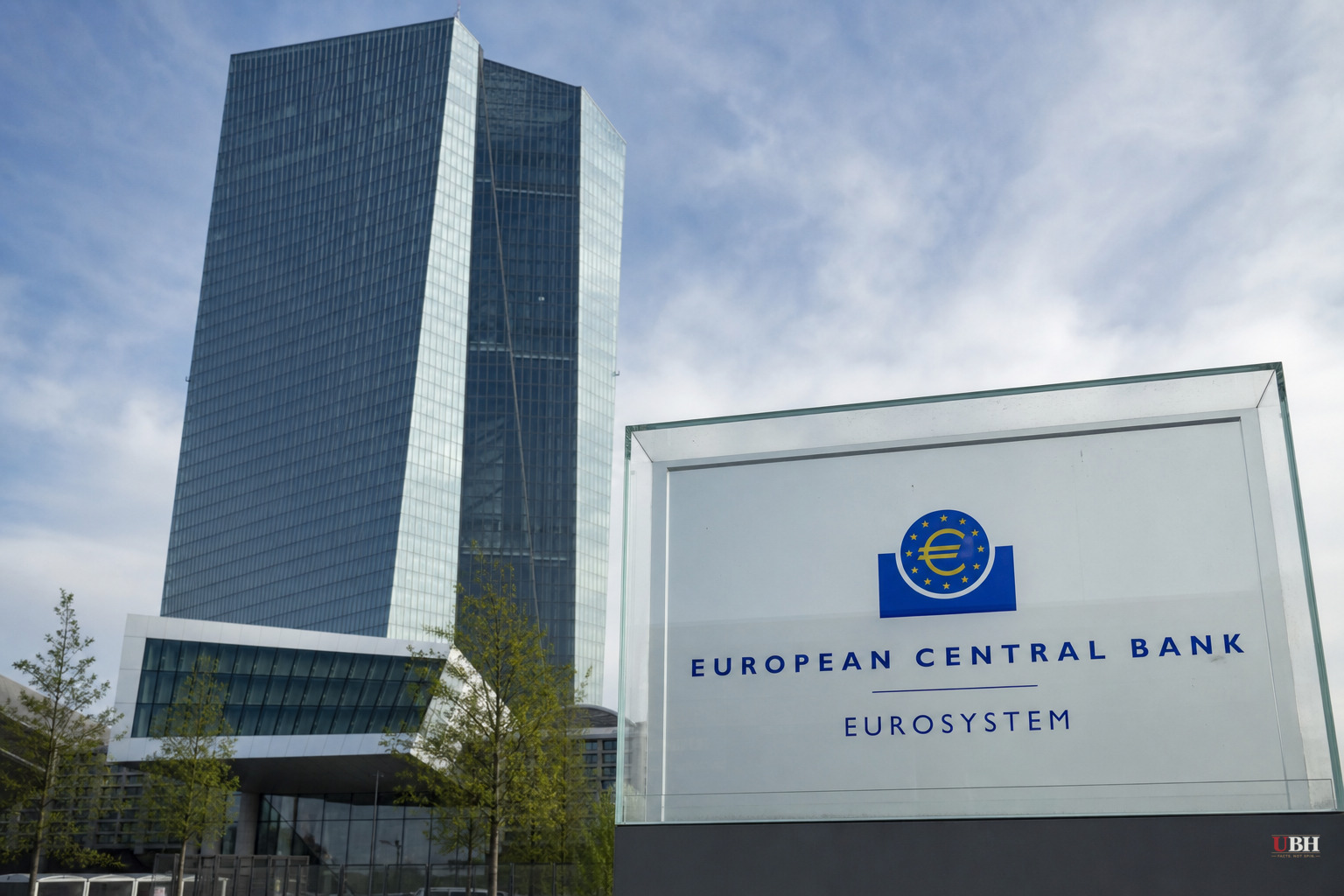
The European Central Bank held its main deposit rate at 2.25% on Thursday, July 23, matching what markets already expected. But nobody thinks the ECB is done for the year.
Euro zone inflation actually cooled to 2.8% last month from 3.2% in May, according to CNBC. That's the kind of data that would normally let a central bank relax. Instead, ECB President Christine Lagarde spent her press conference warning that the fight isn't over.
"Renewed disruption of energy supplies could increase energy prices further and for longer than expected," Lagarde told reporters, according to CNBC. "The longer energy prices stay high, the more likely they are to drive up broader inflation through indirect and second-round effects."
The culprit is the resumption of fighting between the United States and Iran, which has pushed oil back toward $100 a barrel, according to Reuters reporting carried by Euronext Markets. Natural gas prices are also sitting at their highest level in more than three years. That combination is why the ECB isn't declaring victory even with inflation trending down.
What the ECB Actually Said
The bank's official statement, quoted by both Euronext and Global Banking & Finance Review, said policymakers are "closely monitoring the intensity and duration of the shock, as well as its indirect and second-round effects." The ECB added that energy prices are currently "close to the baseline of the June Eurosystem staff projections and well above the levels recorded prior to the conflict in the Middle East."
That's a central bank hedging its bets in plain language. Prices are behaving roughly as expected for now, but the risk sits squarely to the upside, and everyone knows it.
Thursday's hold leaves the ECB's overnight and one-week borrowing rates at 2.65% and 2.40% respectively, according to Global Banking & Finance Review. This follows the ECB's rate hike in June, its first increase in nearly three years, which brought the deposit rate to its current 2.25% level as the Iran conflict's energy shock started weighing on the euro zone economy.
Markets Are Already Pricing in More Hikes
Investors aren't waiting around. According to Euronext's Reuters-sourced reporting, financial markets are betting on almost three more interest rate increases over the coming year, with the first fully priced in by October and a second by next February.
Ed Hutchings, head of developed market rates at Aviva Investors, told CNBC that traders now expect a quarter-point hike specifically at the ECB's September meeting. Global Banking & Finance Review pegs that meeting for September 9-10.
Richard Carter, head of fixed interest research at Quilter Cheviot, put it bluntly to CNBC: "Despite its ability to hold rates today, the market still expects the ECB to be in a rate raising mood for the rest of the year. Clearly how aggressive it is in upping interest rates depends broadly on what is happening away from the continent, and that is making the job of the policy committee incredibly challenging."
Reuters, via Euronext, reports that most economists it polled think the euro zone will need far less tightening than the market is currently pricing in. Inflation, in their view, could hover around 3% in the coming months, above target but not the kind of runaway spiral that demands aggressive rate hikes. The market's aggressive rate-hike bets may be reacting more to energy-price headlines than to underlying economic fundamentals.
That distinction matters. The strongest case for ECB patience rests on the fact that the dreaded "second-round effects" haven't shown up yet. Wage growth is still easing across the euro zone, the labor market is soft, particularly in Germany, the bloc's largest economy, and firms surveyed by the ECB are anticipating muted pay increases going forward, according to Euronext's Reuters sourcing. If wages aren't chasing energy prices higher, the inflation spiral the ECB fears may simply not materialize, which is exactly why policymakers have called for patience rather than a rushed follow-up hike.
Crypto Briefing's write-up of the CNBC report adds little beyond repeating the same figures, though it frames the situation as markets "pricing in the likelihood of two more rate hikes by the end of 2026" rather than the roughly three hikes Reuters cites through Euronext. That's a modest discrepancy in how aggressively different outlets characterize market expectations. The numbers aren't perfectly consistent across sources.
Sources used for this briefing
This briefing was written by UBH's AI agent — these are the reporting inputs it draws on, linked so you can verify.


