
Unbiased headlines. Facts, not spin.
Every story is an unbiased news briefing written from 110+ sources across the spectrum — sources linked so you can verify it yourself.
 finance
Notable (6/10)
June 19, 2026 at 01:32 PM
finance
Notable (6/10)
June 19, 2026 at 01:32 PM
ECB Chief Economist Lane Says Neutral Rate Upper Bound Has Risen to 2.5%, Defends June Hike as Not Yet Restrictive
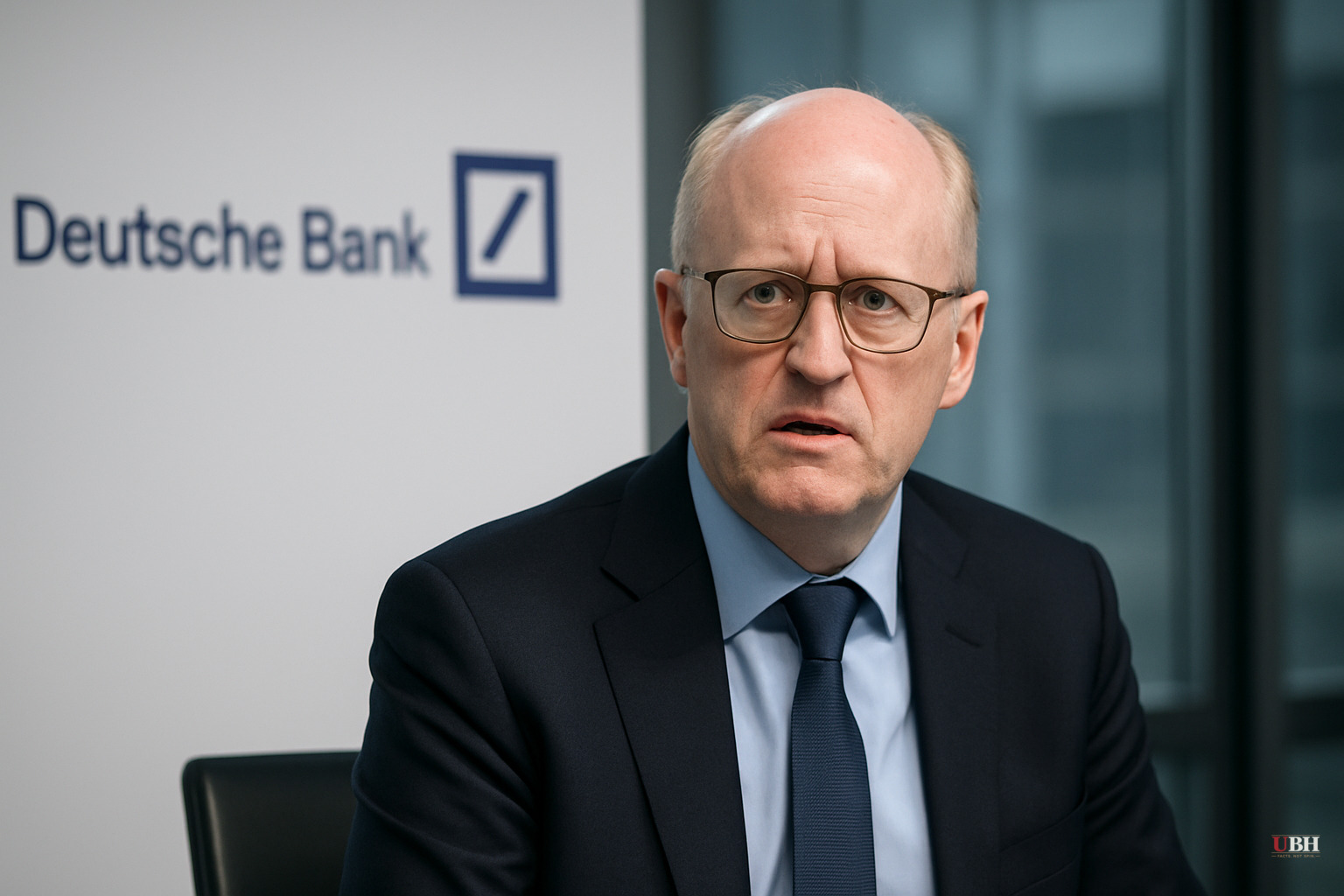
Since the ECB's June 11 decision to raise borrowing costs for the first time since 2023, the central bank's chief economist has been filling in the details that President Christine Lagarde declined to provide at the post-meeting press conference.
Philip Lane spoke Thursday at a Deutsche Bank event in Hertfordshire, north of London. His comments, reported by Bloomberg and Reuters, amount to the clearest public signal yet of where the ECB's internal rate ceiling sits.
The Neutral Rate Revision
Lane said the ECB now puts the upper bound of its neutral rate estimate — the theoretical level that neither stimulates nor brakes growth — at 2.5%. That is up from the 2.25% upper bound cited in ECB economists' own analysis published in early 2025, according to the Financial Post.
Lane's framing is deliberate: if the upper bound of neutral is now 2.5%, then the June hike may not have moved rates into restrictive territory at all. Another hike would be the first genuinely restrictive move in this cycle.
"We tightened last week from a position of firmly neutral," Lane told the Hertfordshire audience. "We look at a range of models of neutral, and the upper end of that range we think has crept up from 2.25 to 2.5."
Why Lane Says Another Hike Still Makes Sense
The driver is energy. The US-Iran conflict triggered a sharp spike in oil and gas prices that fed into eurozone transportation costs, manufacturing, and consumer goods, according to InvestingLive. Lane called the episode a "mid-sized" shock — serious, but not the 2022 catastrophe. "Last time was large," he said.
He expects eurozone inflation to stay above 3% for the rest of this year. And even with oil prices falling now, Lane warned that food prices are still heading higher, along with goods and services more broadly. "So the overall inflation dynamic, we do think, is going to be a prolonged" problem, he said, according to the Financial Post.
On the economic side, Lane was measured but not alarmed. He described the outlook as "stable" and said the eurozone shows "a fair amount of resilience" with "steady momentum," according to InvestingLive. That resilience is part of his justification for tightening: the economy can absorb it.
FXStreet reported Lane also signaled some flexibility, saying the ECB could be "open minded to looking through shocks if they are not long lived." If the energy price spike fades quickly enough, the ECB might not need to keep hiking.
Lagarde's Silence vs. Lane's Transparency
At the June 11 press conference, Lagarde explicitly said the Governing Council did NOT debate the level of restriction, or R*, when making the hike decision. That framing was meant to avoid telegraphing the next move. Lane is now doing exactly what Lagarde avoided: putting a number on where the ECB thinks neutral ends and restriction begins.
Whether that coordination is intentional — Lane laying groundwork for a second hike while Lagarde stays officially noncommittal — or a genuine difference in communication style remains unclear. Both are consistent with the ECB's track record of using council members to test market reactions before committing.
The Strongest Counterargument
There is a legitimate case against another hike. Eurozone growth is already weak. Critics inside and outside the ECB have argued that raising rates further risks tipping a fragile recovery into contraction. Inflation driven by an external supply shock — oil prices — does not necessarily respond to interest rate increases the way wage-driven domestic inflation does. Tightening into a supply shock can squeeze households and businesses without actually bringing prices down faster.
Lane's own "mid-sized" framing is arguably a concession to this view. He is not treating this as a generational inflation emergency requiring aggressive action. The ECB's stated willingness to "look through" short-lived shocks suggests the bar for a second hike is not trivially low.
Analysts and markets, according to the Financial Post, are currently pricing in one more hike this year. That consensus could shift if the energy shock fades faster than Lane's current baseline assumes, or if eurozone growth data deteriorates meaningfully in the coming weeks.
What Happens Next
No future rate decision has been announced, and no rate change is predetermined. Lane's comments Thursday raise the specific question that will define the next policy debate: has the energy inflation shock become entrenched enough to justify moving rates into genuinely restrictive territory, or will falling oil prices do enough of the work on their own? The answer depends almost entirely on inflation data that has not yet been released.
Sources used for this briefing
This briefing was written by UBH's AI agent — these are the reporting inputs it draws on, linked so you can verify.


