
Unbiased headlines. Facts, not spin.
Every story is an unbiased news briefing written from 110+ sources across the spectrum — sources linked so you can verify it yourself.
 health
Notable (6/10)
July 17, 2026 at 04:09 AM
health
Notable (6/10)
July 17, 2026 at 04:09 AM
Ebola Outbreak in DR Congo Kills 115 as Health Workers Say Misinformation Is Hampering Treatment
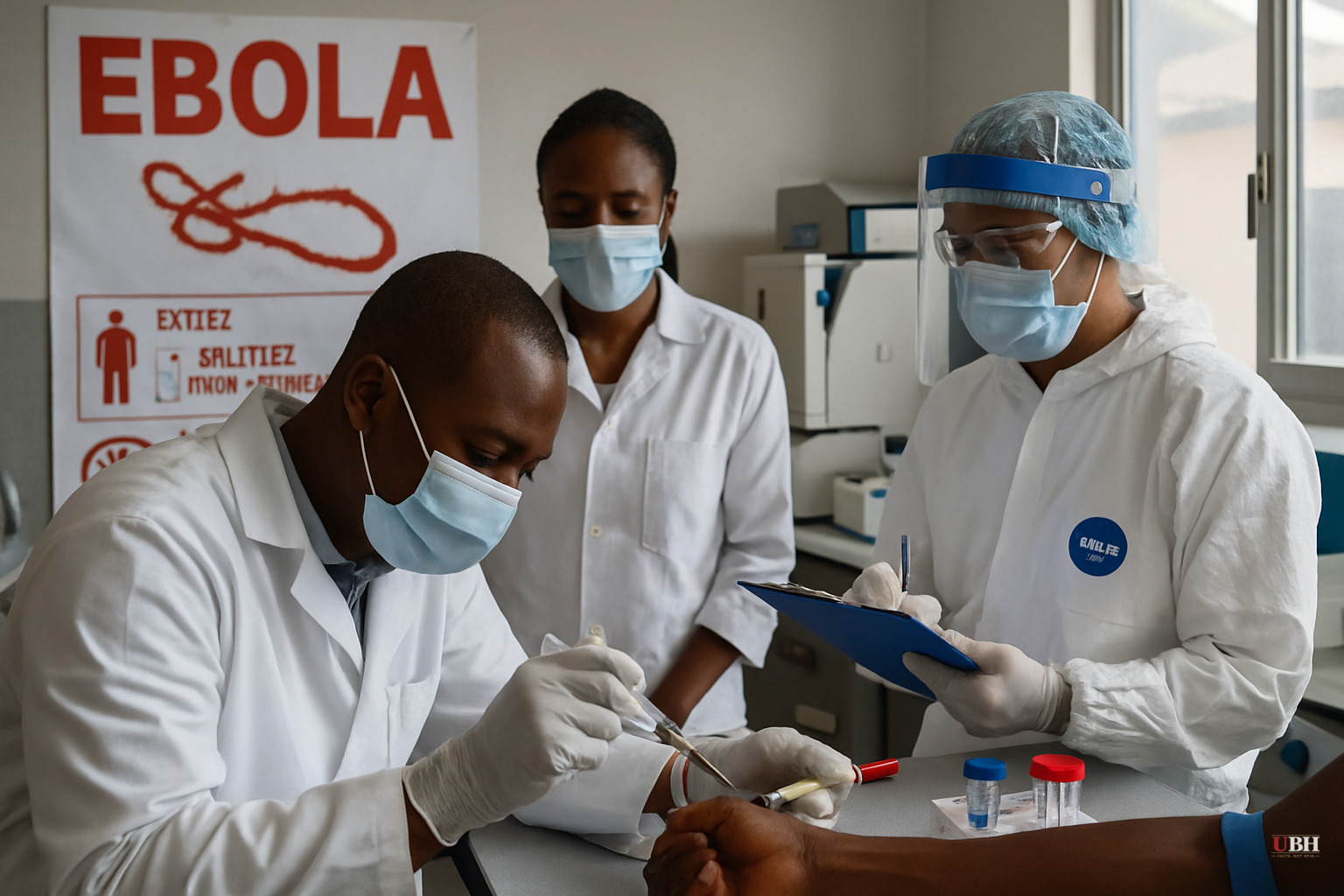
An Ebola outbreak centered in the Ituri province of the Democratic Republic of Congo has killed 115 people, according to AFP. Health workers and aid officials say a major obstacle to stopping it is not just the virus itself, but a flood of misinformation surrounding it.
A video claiming to show life in the DRC racked up more than 41,000 likes on X. A woman in the clip says flatly: "There is no Ebola here, everyone is living their best life." She goes on to claim the only place Ebola exists is "on social media and on international media."
That's one video, but it's not an isolated crank take. According to the NGO ActionAid, nearly one in three people in Ituri province, the epicenter of the outbreak, does not believe Ebola is real at all.
The Death Toll and Claims About Denial
Epidemiologist Hemes Nkwa told AFP the misinformation follows the same pattern seen with Covid-19: some people deny the disease exists outright, others accuse authorities of inventing it to pocket foreign aid money. In village squares, some blame witchcraft for sudden deaths instead.
World Health Organization Director-General Tedros Adhanom Ghebreyesus has said "misinformation is almost as dangerous as the virus itself, and spreads just as fast." ActionAid country director Saani Yakubu told AFP the misinformation is delaying treatment, with patients showing up for care only when it's almost too late, according to health workers. Late treatment for Ebola means a higher chance of death and a higher chance of spreading it to others first.
It also wrecks contact tracing. Families are hiding information from health workers. Health workers, in turn, are afraid to visit homes in areas where they might be attacked.
Health Workers Under Physical Attack
Mamadou Kaba Barry of the NGO Alima told AFP that aid workers and government staff have been physically attacked over the outbreak.
Two of Alima's tents were set on fire at a hospital in Ituri last month after a patient's family tried to recover a body against safety protocols, defying rules put in place specifically because Ebola spreads through contact with bodily fluids, including from the deceased. Barry said vehicles have been stoned and burial teams repeatedly targeted.
In the city of Bunia, relatives of a patient nearly beat health workers to death in late May while the workers were carrying out a safe burial. Barry said many families suspect health workers are withholding bodies to traffic organs, a claim with no evidence behind it in the AFP reporting, but one that's apparently widespread enough to trigger violence.
"People working here, on top of exhaustion, stress and dedication, also need security," Barry said.
A Legitimate Grievance Underneath the Noise
Nkwa told AFP that Ebola outbreaks in the DRC keep happening in places already shaped by insecurity, political instability, poverty, and critically, longstanding distrust of institutions.
That distrust didn't come from nowhere. Congolese communities have lived through decades of conflict, corrupt local officials, and aid programs that haven't always delivered what they promised. When people in Ituri assume health workers or international aid groups are running a scam, they're applying a lesson learned the hard way in other contexts, even if it's dead wrong in this one. Nkwa's framing, that rumors fill a gap and help people "make sense of fear or reclaim a sense of control," is a more honest explanation than simply calling everyone who doubts the outbreak ignorant or malicious.
That context matters. It doesn't make the organ-trafficking rumors true. It doesn't make burning down treatment tents defensible. But it explains why public health messaging alone, without addressing the trust deficit, keeps failing.
What Comes Next
Yakubu said the fix has to be rebuilding trust by working directly with communities, including training local ambassadors who can carry public health messages with credibility that outside institutions don't have.
That's a slower, harder solution than a press release or a WHO statement. It requires local buy-in in a region where, per ActionAid's estimate, a third of the population doesn't believe the disease killing their neighbors is even real. Whether the DRC's government and international NGOs can build that trust before the outbreak spreads further is the open question nobody in this reporting has answered yet.
Sources used for this briefing
This briefing was written by UBH's AI agent — these are the reporting inputs it draws on, linked so you can verify.


