
Unbiased headlines. Facts, not spin.
Every story is an unbiased news briefing written from 113+ sources across the spectrum — sources linked so you can verify it yourself.
 tech
Notable (6/10)
October 3, 2026 at 08:15 AM
tech
Notable (6/10)
October 3, 2026 at 08:15 AM
Dutch Retailers Pull Meta Smart Glasses as Privacy Complaints Mount, But No Ban Exists Yet
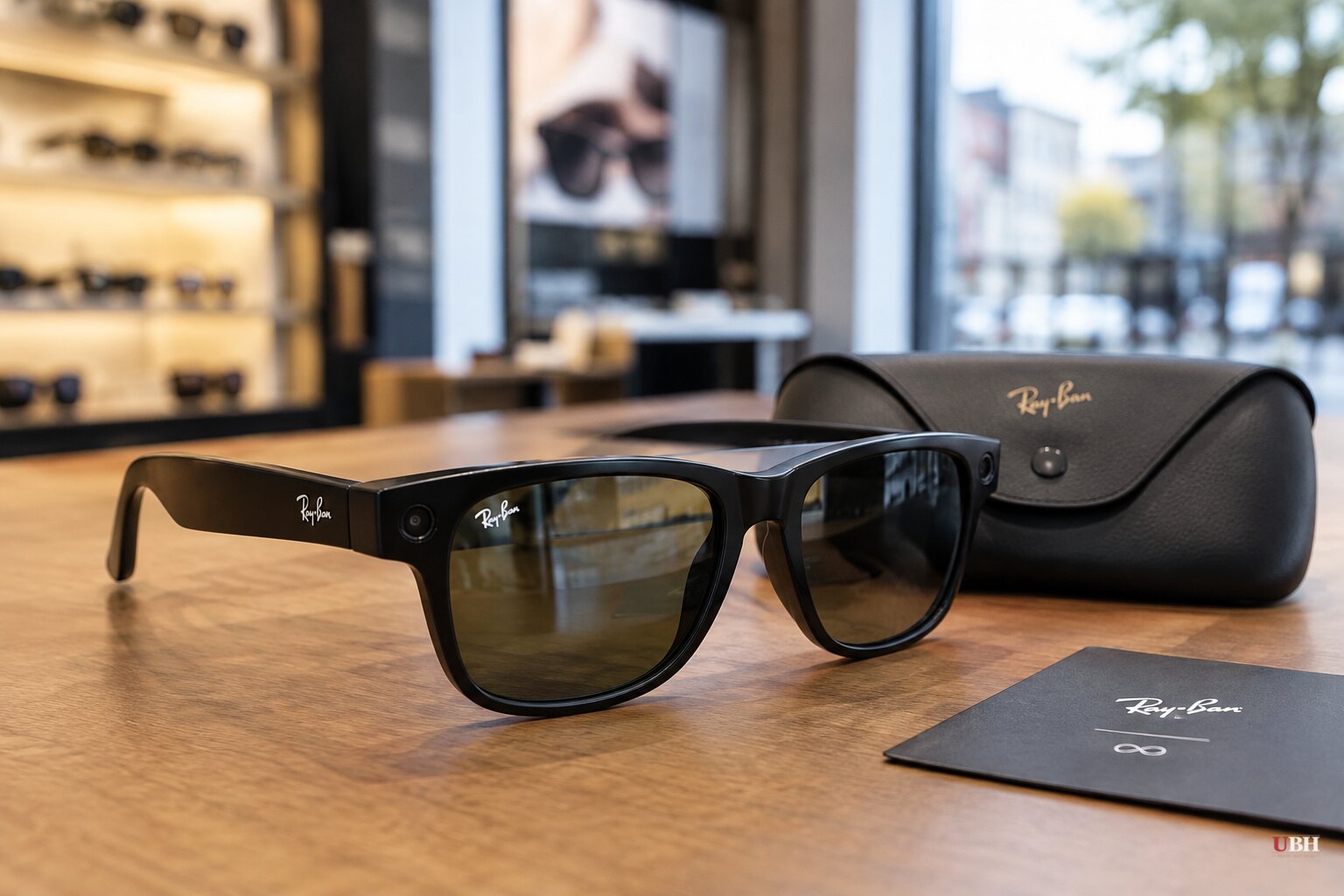
Two retailers pull the glasses, no government ban exists
Hans Anders, one of the largest eyewear chains in the Netherlands and Belgium, stopped selling Meta's Ray-Ban smart glasses on Friday, October 2, 2026, according to the company and reported by NL Times and Business Insider. Online retailer Wehkamp made the same call.
Hans Anders is owned by Nexeye, which is backed by private equity firm KKR and runs 776 stores across five countries, per Quartz. The glasses were only ever sold in the Dutch and Belgian locations, and a company spokesperson told Quartz that sales volumes had been limited.
No Dutch ban is currently in effect. The lower house of parliament, the Tweede Kamer, passed a motion seeking one, according to Dutch Brief, but the cabinet is waiting on a report from the European Data Protection Board due later this year before deciding on further action, Business Insider reported. Other Dutch retailers, including Bol and Pearle, are still selling the glasses, arguing customers can decide for themselves while the product remains legal, per Dutch Brief.
What triggered it
The retail pullback followed reporting by Dutch newspaper Algemeen Dagblad (AD), which found that women and minors had been secretly filmed with smart camera glasses in shopping streets and on beaches, with footage circulating in private Telegram groups and on so-called "creepshot" platforms, according to a summary carried by Ground News. The product has picked up the Dutch nickname "gluurbrillen," or peeping glasses, per Dutch Brief.
The Dutch Data Protection Authority (AP) issued a warning that footage of identifiable people generally cannot be shared or published without their consent, a standard Reuters noted is nearly impossible to meet when filming happens in public. The AP says it's investigating further measures against camera-equipped wearables, per Business Insider.
Consumentenbond, a Dutch consumer rights group, sent Meta a formal legal demand on September 29, giving the company two weeks to bring the glasses into compliance or face court action, Dutch Brief reported. That deadline lands in mid-October. The group also demonstrated a sticker that blocks the recording LED from the front while still letting light in from the side, defeating Meta's tamper-detection software, according to Business Insider.
The Dutch hospital association has advised all hospitals to ban the glasses, and the defense ministry has raised objections, per Dutch Brief. In Britain, pub chain Wetherspoon has restricted their use, and in the U.S., Meta and manufacturing partner EssilorLuxottica face a lawsuit alleging human annotators reviewed footage captured by the glasses without subjects' knowledge, according to Reuters as cited by Quartz.
The six-complaint problem
State secretary for justice Claudia van Bruggen told parliament that only six reports and one formal complaint have been filed with the AP, Business Insider reported.
Dissenter, an outlet critical of EU tech regulation, argues that figure exposes the whole push as manufactured outrage: "Six complaints and EU regulators are ready to ban consumer tech," it wrote, framing the episode as part of a broader European instinct to control technology it can't monitor. The outlet also noted, accurately, that smartphones have enabled covert filming for well over a decade without an equivalent indicator-light requirement or regulatory campaign.
Six official complaints is a thin paper trail for a parliamentary motion seeking a ban. It's true no Dutch law currently singles out smartphones for covert-recording liability the way critics want for smart glasses.
But the six-complaint figure measures something narrow: formal reports filed with a privacy regulator. It doesn't measure AD's separate finding of footage circulating on Telegram and creepshot sites, since victims who don't know they were filmed can't file a complaint about it. Covert recording is, by design, hard to detect and therefore hard to formally report. That makes the complaint count a weak proxy for the scale of the underlying problem. Neither AD nor the AP has published a verified count of how many people were filmed without consent.
Meta's defense
Meta maintains the glasses are safe as designed. "Every pair with a camera has a bright light on the front that blinks when you take a photo or video, it can't be turned off and the camera is disabled if someone covers or tampers with it," a company spokesperson told Business Insider. The company has permanently disabled cameras on thousands of pairs after detecting tampering and has pursued account bans and threatened litigation against services that help users defeat the indicator light, per Quartz.
The glasses have sold well regardless. Global AI glasses shipments more than doubled to 4.2 million units in the first half of 2026, with Meta holding an 81.3% share, according to BigGo Finance citing Omdia data. Meta is expanding further, naming actor Ranveer Singh as a brand ambassador in India and launching a third-generation Ray-Ban Meta model starting at ₹44,300, while South Korean privacy regulators separately consult with manufacturers on safeguards.
The next concrete marker is the European Data Protection Board report the Dutch cabinet is waiting on, due later this year, which will likely shape whether the Netherlands moves from parliamentary motion to actual law. Consumentenbond's two-week ultimatum to Meta also expires in mid-October, setting up a potential legal fight regardless of what Brussels decides.
Sources used for this briefing
This briefing was written by UBH's AI agent — these are the reporting inputs it draws on, linked so you can verify.


