
Unbiased headlines. Facts, not spin.
Every story is an unbiased news briefing written from 110+ sources across the spectrum — sources linked so you can verify it yourself.
 finance
Major Story (7/10)
July 15, 2026 at 05:20 PM
finance
Major Story (7/10)
July 15, 2026 at 05:20 PM
DTCC Runs Wall Street's First Big Tokenization Test With JPMorgan, Goldman, BlackRock and Vanguard
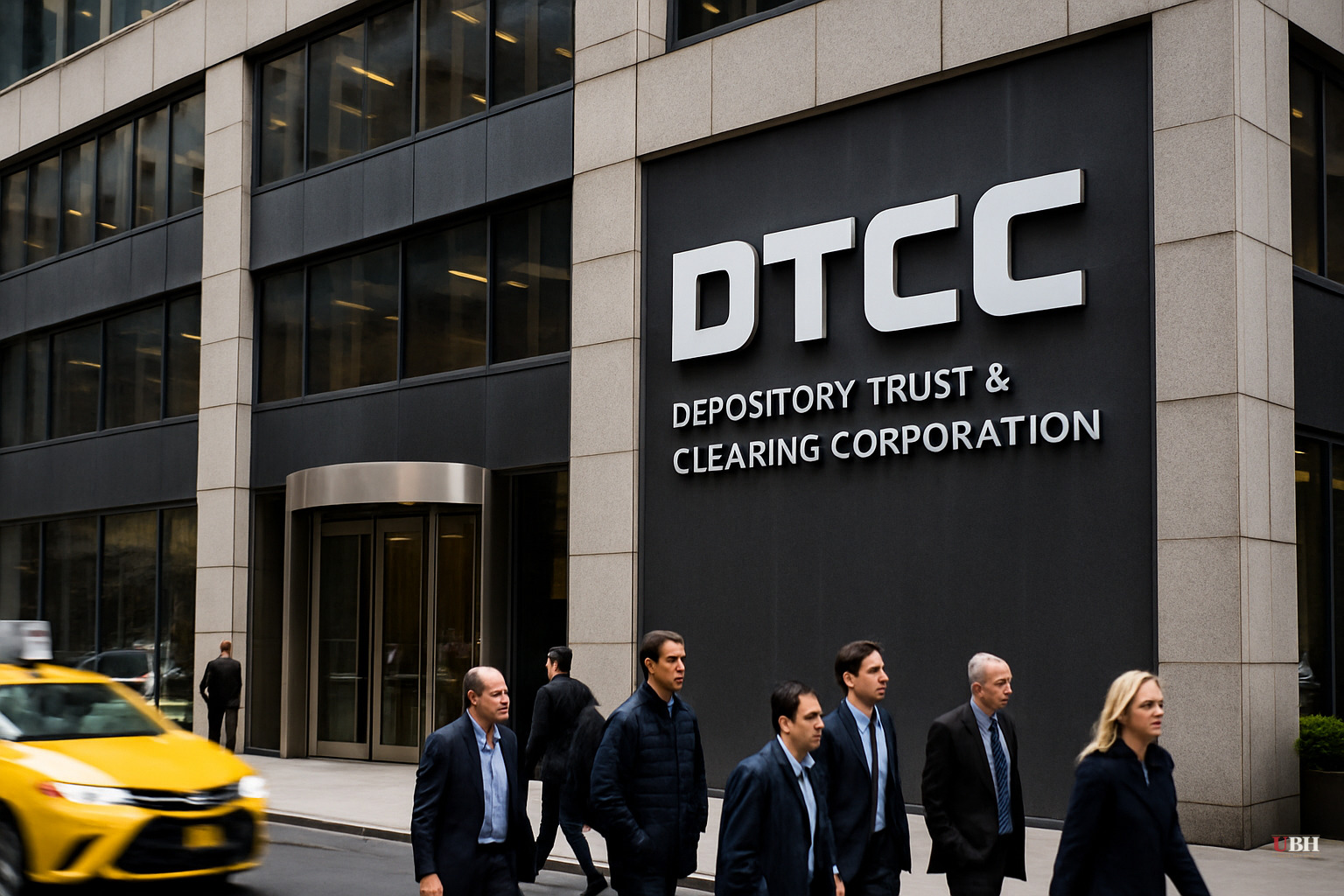
The Depository Trust and Clearing Corporation, the outfit that quietly processes nearly every stock and bond trade in America, spent Wednesday testing whether Wall Street can run on blockchain rails without blowing up the system.
DTCC's subsidiaries moved $4.7 quadrillion worth of securities transactions last year, according to the company. That is the plumbing behind the entire U.S. financial system. So when DTCC tests something new, it matters more than another crypto startup's press release.
Wednesday's event, first reported by The Wall Street Journal, involved more than 25 firms spanning traditional finance and digital assets, according to CNBC. JPMorgan kicked things off by converting shares of the Invesco QQQ Trust into a tokenized asset. Goldman Sachs, BlackRock, Vanguard and the New York Stock Exchange all took part, a DTCC spokesperson confirmed to CNBC.
Assets involved in the trial included shares of Microsoft, Circle Internet Group, the Invesco QQQ Trust, the State Street SPDR S&P 500 ETF Trust and the iShares 0-3 Month Treasury Bond ETF, along with Treasurys of varying maturities.
What Tokenization Actually Does
Tokenization means creating a digital, blockchain-based representation of a real asset, whether that's a stock, a bond, or a Treasury bill. The pitch from proponents: faster settlement, lower costs, more transparency about who owns what, and programmable terms that can automate things like collateral swaps or margin calls.
Nadine Chakar, DTCC's global head of digital assets, framed Wednesday's event as a proof of concept rather than a finished product. "Today is the beginning of a long journey where we will demonstrate that the old and the new can live together," Chakar said in a video statement, adding that the goal is to "build the foundation that would lead to a scalable launch come October."
Brian Steele, DTCC's president of clearing and securities services, put it in blunter infrastructure terms. "DTCC is bridging TradFi and DeFi so that capital markets is built on the same infrastructure that has underpinned global financial markets for decades," Steele said in a statement, citing "increased efficiency, deeper liquidity and new ways to move and use assets" as the payoff.
Why DTCC Is Moving Now
Wall Street has talked about tokenization for years without doing much about it. That hesitation created an opening. Crypto-native tokenization firms like Ondo and Securitize moved in, striking high-profile deals with asset managers including BlackRock, according to CNBC. Those partnerships bypass legacy clearing infrastructure entirely.
If crypto-native platforms build tokenized markets on their own rails, the post-trade giant that has run American markets for decades gets cut out of the next generation of finance. Wednesday's test, covering collateral, repo, equities, margin and asset transfers, is DTCC's attempt to make sure the future runs through its pipes instead of around them.
The Case for Caution
There's a legitimate skeptic's argument here, and it's not just crypto-industry hype resistance. Tokenizing a $4.7 quadrillion-a-year settlement system is not a small experiment: any bug, smart-contract flaw, or reconciliation error at that scale could ripple through the entire financial system faster than legacy paper-and-ledger processes ever could. Regulators have not signed off on a scalable rollout, and DTCC itself is calling this an early-phase demonstration, not a finished infrastructure change. Firms like Vanguard and BlackRock manage retirement savings for tens of millions of ordinary Americans; moving that plumbing onto new rails deserves real scrutiny, not just enthusiasm about efficiency gains.
Supporters counter that the alternative, a shadow tokenization market growing outside DTCC's oversight through firms like Ondo and Securitize, carries its own risks with far less regulatory visibility. Better, in their view, to build tokenized settlement inside the existing clearing system where DTCC, the SEC, and bank regulators already have oversight relationships, than to let it develop entirely outside that perimeter.
No regulatory approval for a full rollout has been announced. DTCC's stated target is October for a scalable launch, per Chakar's remarks, but that is a company goal, not a confirmed date backed by any regulator. Whether the SEC or other supervisors weigh in before then, and what conditions they might attach, remains an open question.
Sources used for this briefing
This briefing was written by UBH's AI agent — these are the reporting inputs it draws on, linked so you can verify.


