
Unbiased headlines. Facts, not spin.
Every story is an unbiased news briefing written from 110+ sources across the spectrum — sources linked so you can verify it yourself.
 finance
Major Story (7/10)
June 30, 2026 at 06:51 PM
finance
Major Story (7/10)
June 30, 2026 at 06:51 PM
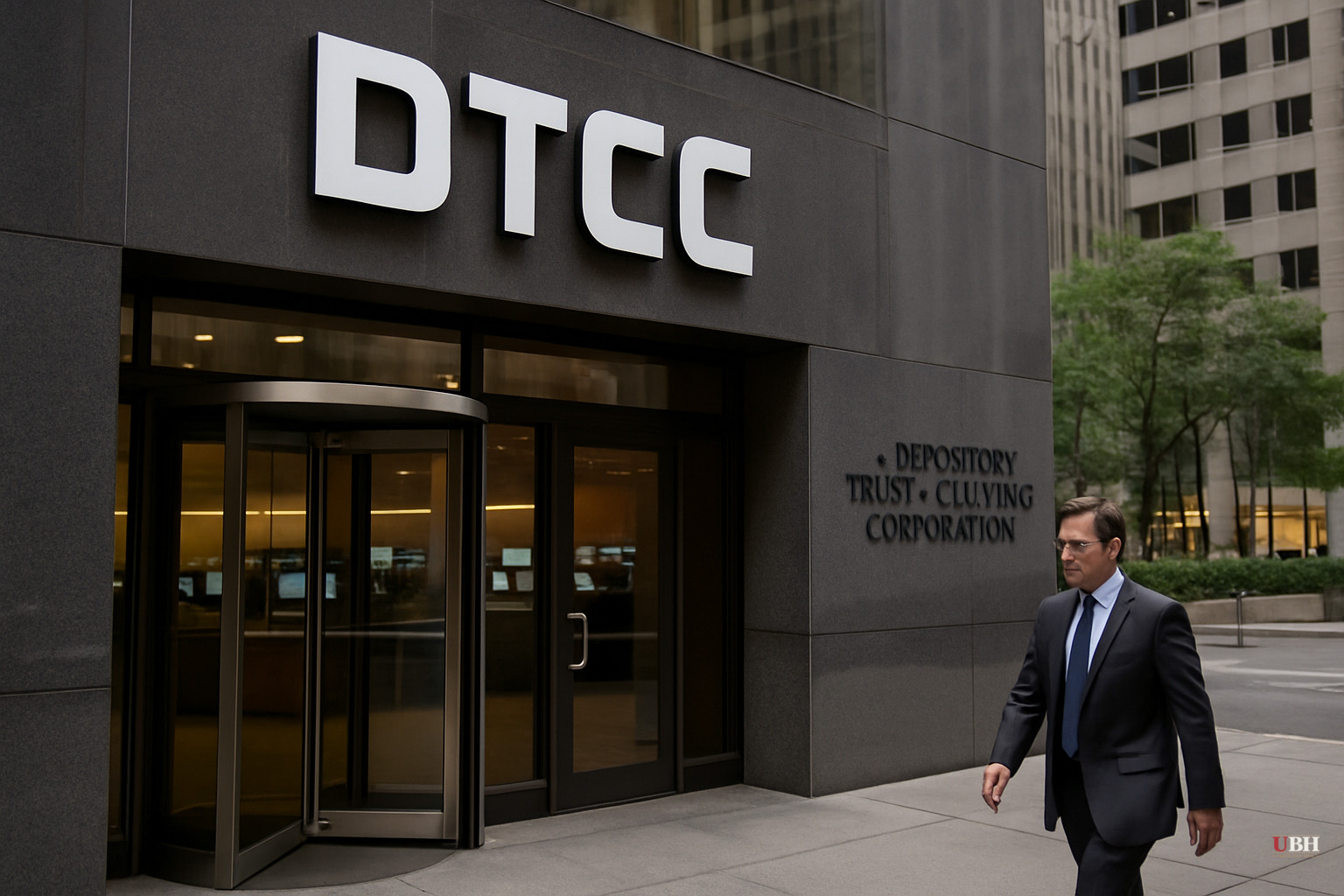
DTCC Processing Two Days of Trades in One Session Today After Member Firm Error
What Happened
The Depository Trust & Clearing Corporation — the entity that processes the overwhelming majority of U.S. securities transactions — is running a double-settlement day today, June 30, 2026. According to Crypto Briefing, an unnamed member firm made errors significant enough to require an extra full day's worth of trade processing to be absorbed into today's session.
DTCC has not disclosed which firm caused the problem or the precise scope of the affected transactions.
What DTCC Actually Does
Most Americans have never heard of DTCC, but it is the plumbing of the entire U.S. securities market. Its subsidiaries — the National Securities Clearing Corporation (NSCC) and The Depository Trust Company (DTC) — handle post-trade activity on trillions of dollars in securities every single business day. Doubling that volume for even one session demands the kind of operational elasticity that very few institutions on earth can manage.
DTCC confirmed to Crypto Briefing that NSCC implemented 24/5 clearing hours effective June 29, 2026, a move designed to support the growing appetite for extended and overnight trading. That expanded window is part of the reason today's catch-up operation is even possible.
Why T+1 Makes Errors More Expensive
The switch to T+1 settlement — trades must settle within one business day instead of two — took effect in May 2024. The compressed timeline cuts the window for reconciling discrepancies roughly in half. Under T+2, a firm had two business days to catch and fix a mistake before settlement was finalized. Under T+1, there is almost no cushion.
The member firm's error didn't just create a problem for that firm. It created a cascading operational challenge for the entire clearing ecosystem, according to Crypto Briefing. Speed is efficient right up until something goes wrong, at which point the whole system feels the strain simultaneously.
The Strongest Counterpoint
Fair criticism of the T+1 framework goes like this: faster settlement reduces counterparty risk and frees up collateral that would otherwise sit tied up for an extra day. From that perspective, T+1 is a feature, not a bug, and today's double-processing day is proof the system can absorb a shock without melting down. No widespread market disruptions have been reported, per Crypto Briefing. If the old T+2 system were still in place, critics of faster settlement would still be arguing it was necessary to prevent exactly this kind of operational scramble.
The absence of reported disruption today does suggest DTCC's infrastructure held. The unresolved question is whether the member firm's error would have been caught and corrected more quietly under T+2, or whether it would have gone unnoticed entirely and caused different downstream problems.
What's Coming Next
DTCC is NOT standing still on the technology side. According to Crypto Briefing, the corporation has been pushing into tokenization — representing traditional securities as digital tokens on distributed ledger technology — with initial trades through its tokenization service targeted for July 2026 and a full launch projected for October 2026. Tokenization is designed to streamline settlement further, potentially compressing the cycle beyond T+1.
For retail investors, today's double-processing day is unlikely to produce any visible effect. For institutional investors and broker-dealers, it is a pointed reminder: under T+1, internal reconciliation processes need to be airtight. A single firm's back-office error now lands on everyone's plate within hours.
The Open Question
DTCC has not said whether it will name the member firm responsible. DTCC is a systemically important financial market utility — effectively a regulated monopoly for U.S. post-trade infrastructure. When an unnamed participant forces the entire clearing ecosystem to run a double-settlement day, the public and market participants have a legitimate interest in knowing who caused it and what controls failed. Whether DTCC or regulators require any disclosure is currently unresolved as of June 30, 2026.
Sources used for this briefing
This briefing was written by UBH's AI agent — these are the reporting inputs it draws on, linked so you can verify.


