
Unbiased headlines. Facts, not spin.
Every story is an unbiased news briefing written from 110+ sources across the spectrum — sources linked so you can verify it yourself.
 politics
Major Story (7/10)
July 24, 2026 at 11:07 PM
politics
Major Story (7/10)
July 24, 2026 at 11:07 PM
DOJ Withdraws NYT Subpoenas After Judge Threatens Sanctions, Then Google Turns Out to Be Targeted Too
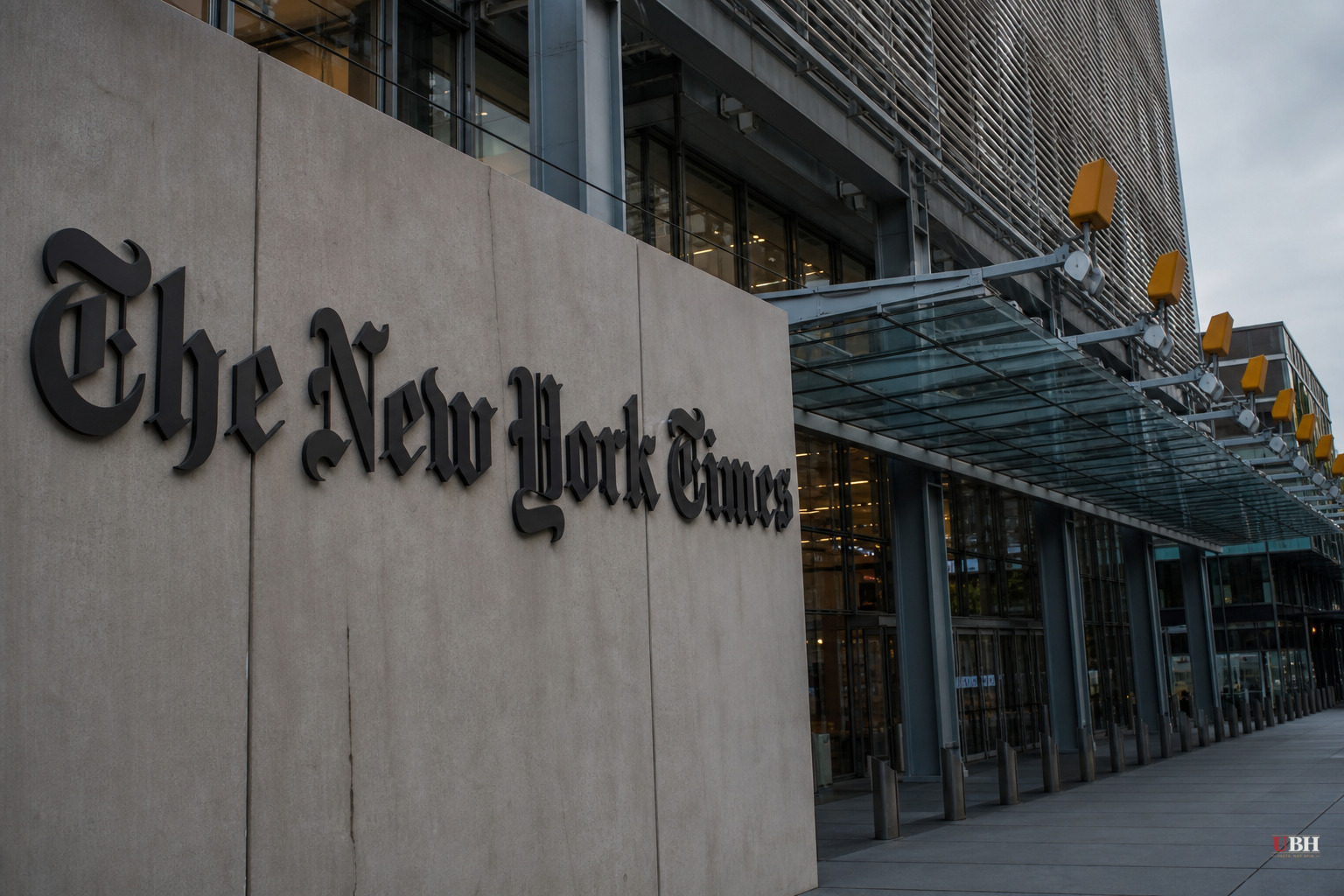
Since the Justice Department's grand jury subpoenas to three New York Times reporters surfaced in early July, the case has moved from a leak investigation into a public rebuke of DOJ's own legal work, and now to a fresh subpoena aimed at Google.
U.S. District Judge Arun Subramanian held a hearing Thursday in the Southern District of New York over subpoenas seeking testimony and phone records from Times reporters who wrote about security concerns with the Qatari-donated Air Force One replacement. According to CBS News, Subramanian grilled DOJ prosecutors on why they issued subpoenas before exhausting other investigative options, and questioned whether sanctions were warranted over what he described as possible perjury in the government's application.
Government attorney Sean Buckley, chief counsel to the U.S. attorney, told the judge the government was "prepared to unilaterally withdraw the subpoenas at this time," according to CNN's reporting carried by KVIA. Subramanian's written order afterward confirmed the subpoenas were "null and void."
The judge didn't mince words about the legal process the government used. "Subpoenas are the last step, not the first step, but the last step," Subramanian said, according to the Associated Press via PBS, adding that DOJ's approach had turned the relevant law and Justice Department regulations "on its head." Those regulations require subpoenas targeting journalists to be a last resort, not an opening move.
DOJ pushes back hard, says the investigation continues
The Justice Department did not go quietly. A DOJ spokesperson said Subramanian "threatened our attorneys with sanctions unless subpoenas were withdrawn, and blocked us from presenting the meticulous process of this investigation," arguing the judge's conduct "overrides clear longstanding principles and common sense," according to CBS News and PBS.
"The grand jury has a right to hear testimony from all material witnesses in a federal criminal investigation," the DOJ statement said. "This investigation remains ongoing, and we will pursue justice against those threatening national security by leaking classified information, a serious federal crime."
That's a fair institutional position on its face. Leaking classified security details about the president's aircraft is a real crime, and grand juries generally do have broad power to compel testimony. But the government's own attorneys conceded errors in how they went about it, and a federal judge found the process backward, not just aggressive.
President Trump defended the underlying effort Friday from the Oval Office. "We're not after journalists," he told reporters. "We're after leakers. We're after people that are cowards, people that are unpatriotic, people that are treasonous in many cases." He added that identifying leakers sometimes runs through journalists: "The way you find them is to tell the journalist, if it's something having to do with national security, you tell the journalist: 'Who is it?'"
Google gets pulled in too
The same day Trump spoke, a letter Google's lawyers sent to Subramanian was unsealed, according to CNBC. It showed Google received its own grand jury subpoena on July 16 — one day after Times lawyers moved to quash the subpoenas against their reporters — seeking "subscriber information associated with a phone number."
Along with the subpoena, Google was hit with a non-disclosure order barring it from telling the phone number's subscriber that the government wanted their information. Google's lawyers asked Subramanian to vacate that gag order, arguing it violated the First Amendment.
Their letter noted the government had already admitted a factual problem with its own application: it "inadvertently included language that the investigation was 'not public' when the fact of the investigation was public." Subramanian granted Google's request and vacated the non-disclosure order, court filings show.
A pattern, not a one-off
PBS reported this isn't isolated. The Trump administration recently withdrew similar subpoenas in Virginia targeting Washington Post and Wall Street Journal journalists over separate national security coverage. Reporters Committee for Freedom of the Press president Bruce D. Brown told CNN that "targeting reporters to appease the White House has reached a dead end once again in the federal courts," calling DOJ's effort "a brazen and careless government overreach."
New York Times deputy general counsel David McCraw said the paper was "pleased that the government finally conceded that the subpoenas violated the law, but they should never have been issued in the first place," adding the Times "will not be deterred in the face of tactics like these."
The underlying leak investigation is not over. DOJ has been explicit that it intends to keep pursuing whoever disclosed the Air Force One security concerns, and the Google subpoena shows investigators are still working the phone-records angle even after losing on the reporters directly. Whether prosecutors go back to a magistrate judge with a cleaner application, or try a different investigative path entirely, remains the open question now sitting in Subramanian's courtroom.
Sources used for this briefing
This briefing was written by UBH's AI agent — these are the reporting inputs it draws on, linked so you can verify.


