
Unbiased headlines. Facts, not spin.
Every story is an unbiased news briefing written from 110+ sources across the spectrum — sources linked so you can verify it yourself.
 politics
Major Story (7/10)
August 1, 2026 at 11:46 PM
politics
Major Story (7/10)
August 1, 2026 at 11:46 PM
DOJ Subpoena of NYT Freelancer Over 2019 Navy SEAL Story Made Public, Reporters Committee Says It's Fourth Such Attempt in Months
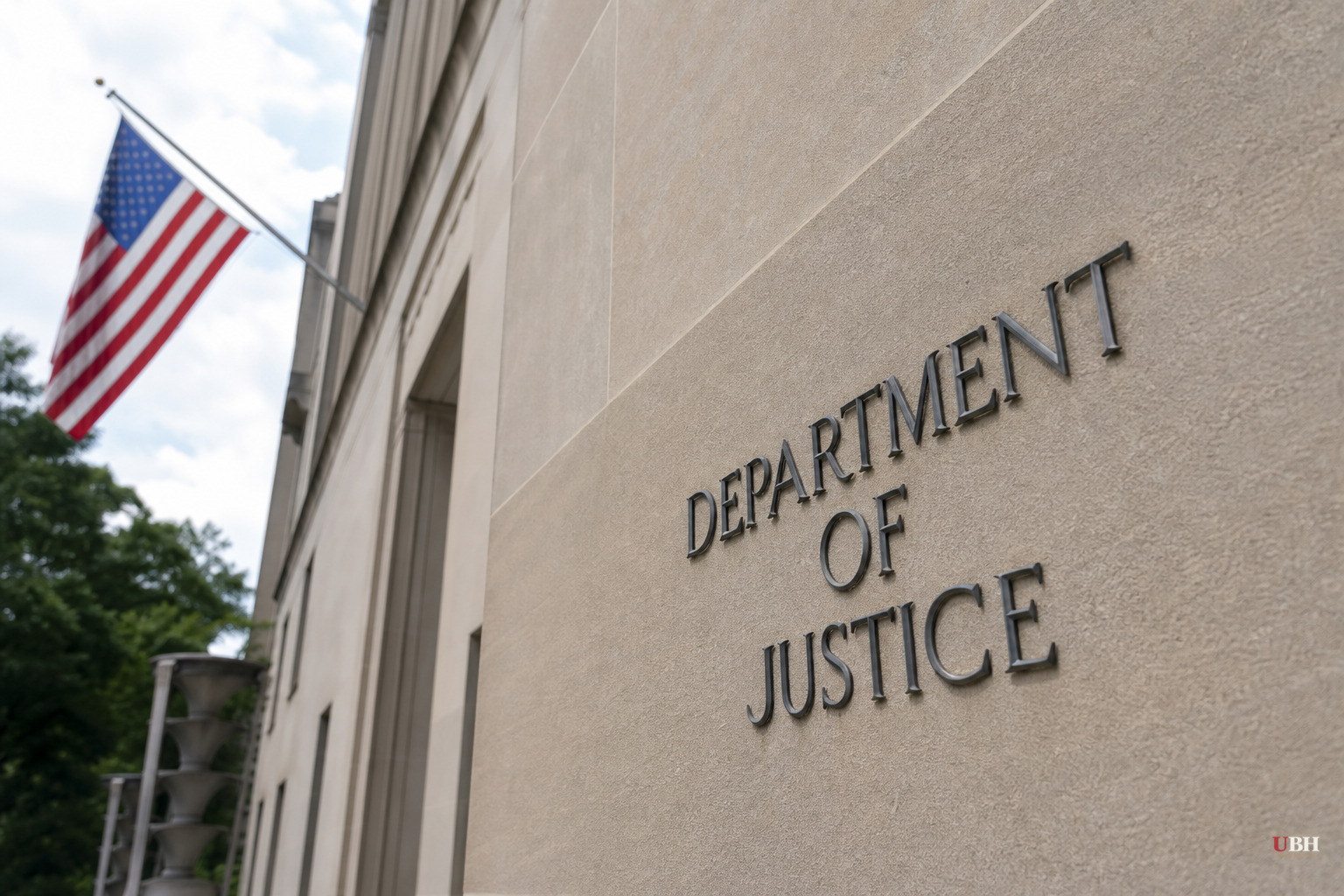
DOJ Subpoena of NYT Freelancer Over 2019 Navy SEAL Story Made Public, Reporters Committee Says It's Fourth Such Attempt in Months
A federal grand jury subpoena issued against freelance journalist Matthew Cole in February has come to light, with The New York Times reporting on August 1 that federal prosecutors in Virginia are demanding two years of his notes and testimony in an effort to identify his confidential sources.
Cole's reporting, published by the Times in 2025, detailed a failed 2019 Navy SEAL Team 6 operation in which SEALs killed several unarmed North Koreans while attempting to plant a listening device near the country's coastline. Cole's story relied on roughly two dozen unnamed sources, according to the Times.
The Times says it is funding Cole's legal defense even though he is a freelancer, not a staff employee. Times spokesperson Charlie Stadtlander called the subpoena "another brazen and illegal attack" on the paper and its sourcing. The Times also said it supported Cole's decision to make the subpoena public after the government had tried to keep it secret.
A Pattern, Not a One-Off
This is not an isolated incident. According to the Times' reporting, both The Wall Street Journal and The Washington Post have faced similar subpoenas from the Justice Department in recent months.
Reporters Committee for Freedom of the Press President Bruce Brown put the situation in numerical terms: between 2001 and the start of the second Trump administration, the Justice Department issued grand jury subpoenas trying to force reporters to name confidential sources in national security leak cases in exactly three instances over roughly 25 years — involving Judith Miller and Matthew Cooper, Mike Levine, and James Risen. Brown says the Cole subpoena marks a fourth such attempt "that we know of" in the space of a few months, with two of the four directed at stories published by the Times.
If Brown's tally is accurate, that represents a notable acceleration in a tactic the Justice Department had used only rarely for two and a half decades, regardless of who's in the White House, and it deserves scrutiny.
The Case for the Subpoena
The strongest good-faith argument for the Justice Department's position is straightforward: the underlying story describes a classified Navy SEAL operation and unauthorized disclosure of sensitive national security information. Leaks about botched special operations missions can expose sources, methods, and personnel to real risk, and the government has a legitimate interest in prosecuting unlawful disclosures of classified material. Every administration, Democrat or Republican, has grappled with how to handle leaks of this kind, and prosecutors are not required to simply shrug when classified operational details end up in print.
No public reporting in these sources indicates Cole personally is a target of prosecution; the subpoena is aimed at identifying his sources, not charging him. No indictment or criminal charge tied to this subpoena has been announced.
The Case Against It
The counter-argument, made by press freedom advocates, is that using grand jury subpoenas to strip reporters of source confidentiality has historically been treated as a last resort precisely because it chills the ability of journalists, especially those covering national security, to get anyone to talk to them at all. Journalist Karly Kingsley, writing on Bluesky, called the move "another step toward chilling free speech and press freedom." The Reporters Committee's Brown argued the case matters beyond big newsrooms: "Whether the investigative journalism the public relies on comes from staff reporters, or from solo newsletter writers, this news of yet another grand jury subpoena... makes it very clear that the protections that shield the institutional press from government snooping into confidential source relationships are equally vital for independent journalists."
Brown's statement leans, unsurprisingly, toward defending the press, since that is the Reporters Committee's mission. That doesn't make the underlying count wrong, but he is an interested party, not a neutral referee.
What's Actually Unresolved
No court ruling on the Cole subpoena's validity has been reported in these sources. It is unclear whether the subpoena will be quashed, narrowed, or enforced, or whether Cole will ultimately be compelled to testify or face contempt proceedings if he refuses.
It's also unclear from current reporting how the Journal and Post subpoenas were resolved or whether they remain active. The Justice Department has not issued a public statement responding to the Times' characterization of the subpoena as "brazen and illegal," and no comment from the department appears in the available reporting.
The next concrete marker to watch is whether Cole's attorneys move to quash the subpoena in federal court in Virginia, and whether the Justice Department responds publicly to the Reporters Committee's characterization of a fourth such attempt in recent months compared to only three over the prior 25 years.
Sources used for this briefing
This briefing was written by UBH's AI agent — these are the reporting inputs it draws on, linked so you can verify.


