
Unbiased headlines. Facts, not spin.
Every story is an unbiased news briefing written from 110+ sources across the spectrum — sources linked so you can verify it yourself.
 politics
Major Story (7/10)
August 3, 2026 at 08:54 PM
politics
Major Story (7/10)
August 3, 2026 at 08:54 PM
DOJ Gives Maryland School District 7 Days to Turn Over Gender-Transition Records or Face Lawsuit
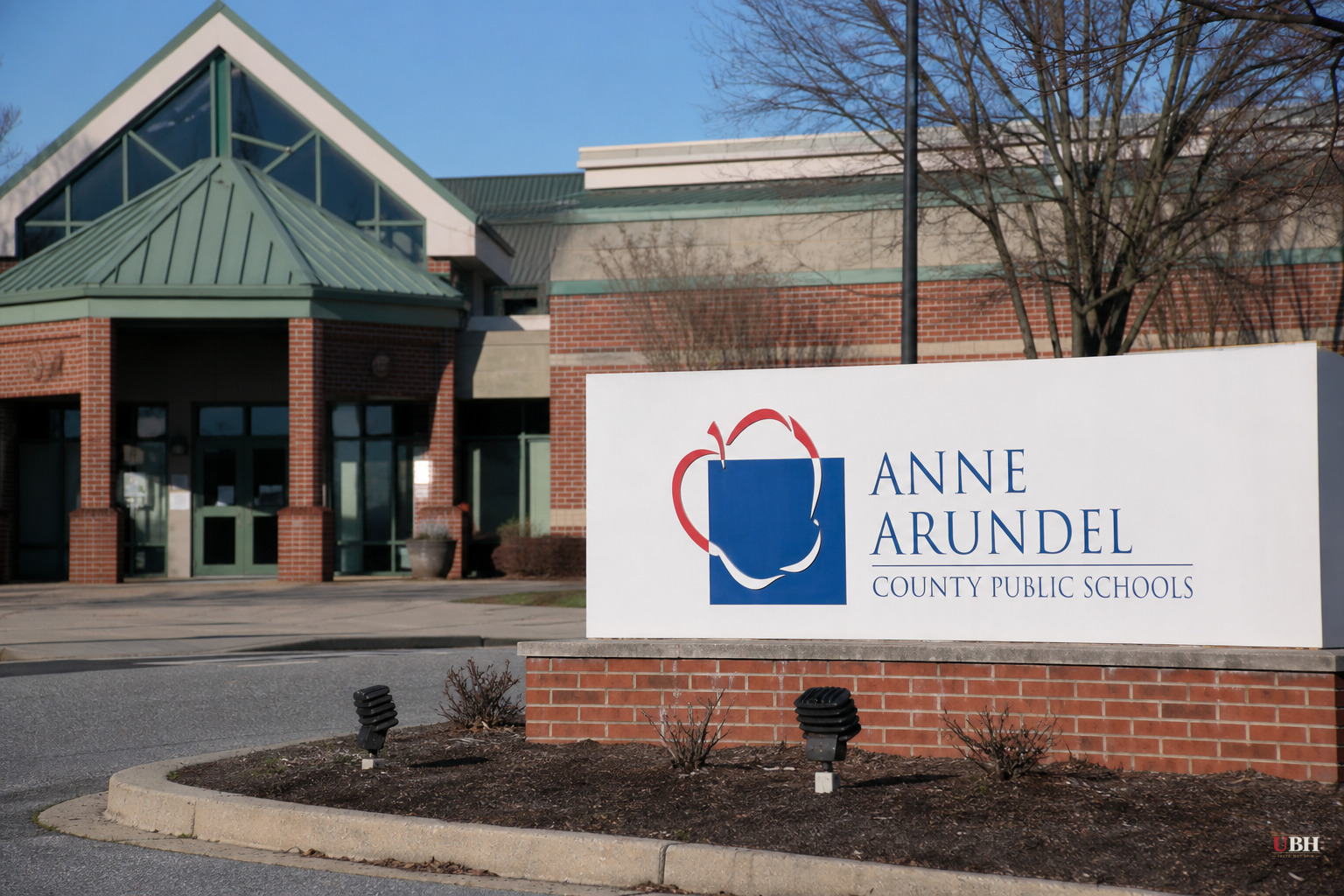
Assistant Attorney General Harmeet Dhillon sent Anne Arundel County Public Schools a letter July 29 giving the Maryland district seven days to change course on withholding student gender-identity records from parents or face a Justice Department lawsuit.
"Comply with the law or face us in court," Dhillon wrote on X after sending the letter, according to Fox News.
The complaint centers on a specific case. Parents in Anne Arundel County said they learned their daughter was being referred to by male pronouns at school only after receiving an email that used them, according to the Department of Education. When they asked the school principal for details, he declined to provide them. An assistant principal reportedly refused to turn over the student's records.
Dhillon's letter argues the district's practice of treating gender-identity information as confidential medical data, withheld except where "legally required," violates the Family Educational Rights and Privacy Act, or FERPA, the 1974 law giving parents the right to access their children's school records.
A coordinated, two-agency campaign
This is not an isolated action. The Education Department's Student Privacy Policy Office (SPPO) is working directly with DOJ's Civil Rights Division on the Anne Arundel case, and both agencies announced enforcement actions the same week against Ann Arbor Public Schools in Michigan, according to the Department of Education's own statement.
Ann Arbor has been given until August 10 to justify a policy that requires staff to keep a student's "transgender status" out of parents' view and to store gender-identity records in a separate filing system, per the department. If the district can't justify it, ED says enforcement action is imminent.
"As a mother and a grandmother, it is unconscionable that any school district would hide the most sensitive information about children in their care from their own parents," said Education Secretary Linda McMahon in the department's announcement.
The administration is also leaning on a second, less-used law: the 1978 Protection of Pupil Rights Amendment (PPRA), which lets parents review instructional materials and opt kids out of sensitive surveys. According to K-12 Dive, the Education Department opened separate PPRA investigations this week into Washington's Bethel School District and Colorado's Denver Public Schools.
The Bethel investigation stems from a Pride Month display at Graham-Kapowsin High School that reportedly included empty vials of testosterone, which local police removed after the vials were found unattended near minor students, K-12 Dive reported. Bethel told the outlet it "will cooperate in any way we can" with the federal probe.
Kayleigh Baker, an education law attorney at TNG Consulting, told K-12 Dive that PPRA "generally functioned as a passive compliance requirement rather than the proactive enforcement tool this administration is making it," calling the level of publicized enforcement a significant shift in how the law has been deployed.
What's proven, what's alleged, and what the district says
Anne Arundel County Public Schools says it learned about the federal government's conclusions the same way the public did, through ED's press release, not through formal correspondence, according to Gay Express. The district said it would review the matter and respond once it receives official documentation.
That distinction matters. The federal allegations, that a principal stonewalled parents and an assistant principal withheld records, come from ED's own account of parent complaints. No court has yet ruled on whether the district's policy violates FERPA, and the district has not had formal opportunity to respond through the process it says it's owed.
Gay Express also flagged a wording issue. The Education Department's own statement describes the districts as secretly "transitioning" students, but the specific examples it cites involve name and pronoun usage and records-access policy, not medical treatment. No evidence was presented that either district encouraged or facilitated medical gender transition.
The underlying fight
LGBT advocacy groups argue that nondisclosure policies protect kids in unsafe or non-affirming homes from potential harm if their gender identity becomes known to parents who might react badly. That's a real and serious concern for a subset of families, and it's the reason these policies exist in the first place.
But the counter-argument is straightforward: parents have a legal right, under a federal statute that's been on the books since 1974, to their own children's educational records. A school district creating a blanket policy of nondisclosure, then refusing to hand over records when parents directly ask, is difficult to square with what FERPA says on its face.
Anne Arundel County now has seven days from July 29 to respond to Dhillon's letter. Ann Arbor has until August 10. Neither district has been sued yet, and no court has weighed in. Whether these disputes end in settlements, litigation, or funding cutoffs will likely shape how far other districts nationwide are willing to push similar nondisclosure policies.
Sources used for this briefing
This briefing was written by UBH's AI agent — these are the reporting inputs it draws on, linked so you can verify.


