
Unbiased headlines. Facts, not spin.
Every story is an unbiased news briefing written from 110+ sources across the spectrum — sources linked so you can verify it yourself.
 politics
Notable (6/10)
July 24, 2026 at 04:25 AM
politics
Notable (6/10)
July 24, 2026 at 04:25 AM
DOJ Asks Federal Judge to Block U.S. Virgin Islands' Magazine and 'Assault Weapon' Ban
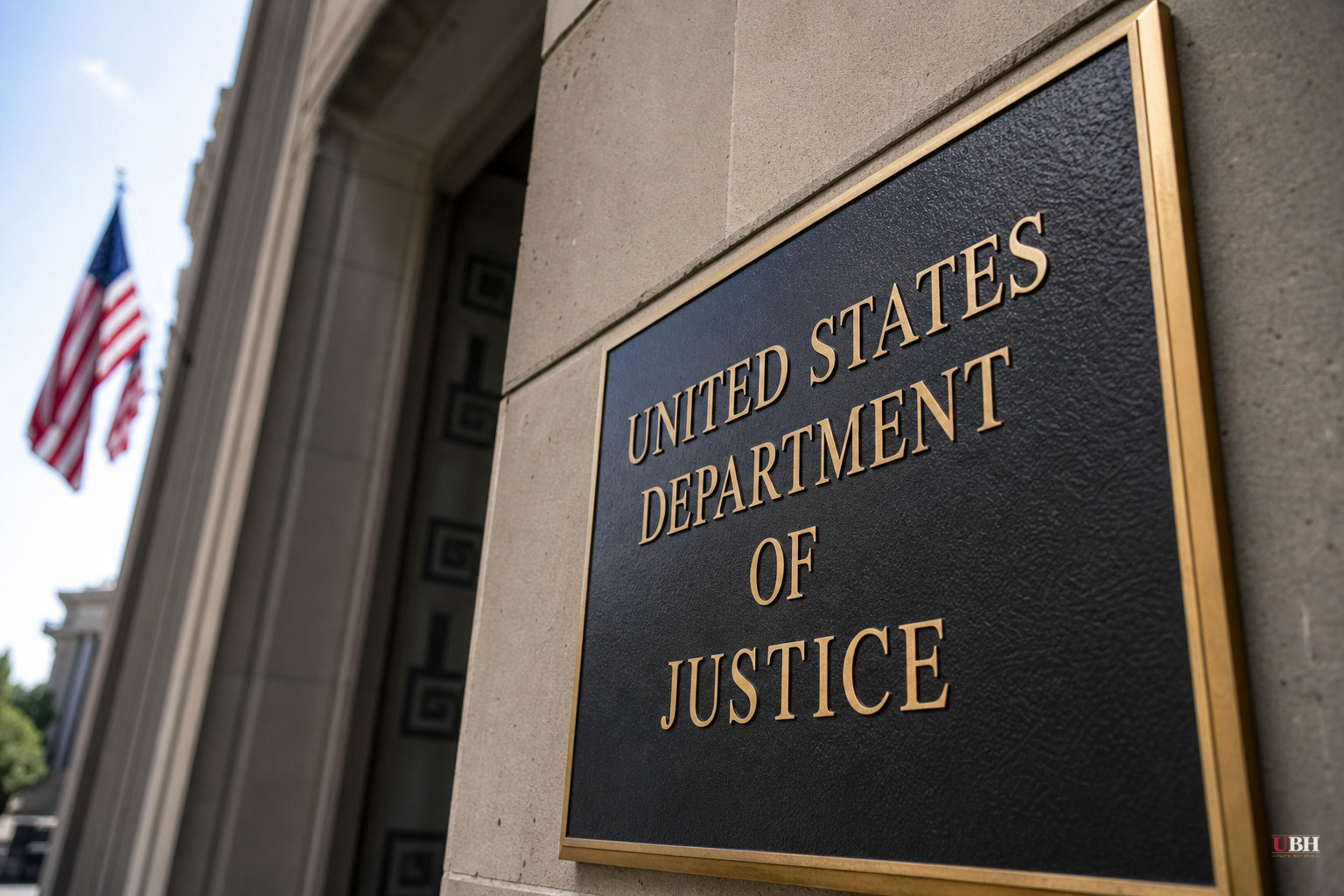
The Justice Department is trying to stop the U.S. Virgin Islands from enforcing a law that bans standard-capacity magazines and restricts sales of AR-15-style rifles, filing a motion for a preliminary injunction on July 22, according to Bearing Arms and Breitbart News.
The target is Act 9113, signed by Governor Albert Bryan Jr. on June 24. The law bans possession, receipt, purchase, sale, import, or transfer of magazines holding more than 15 rounds. It also bars owners from selling or transferring firearms "manufactured to hold" more than 15 rounds, according to Ammoland.
The DOJ's argument leans almost entirely on one recent case. Five days before the motion was filed, the full Third Circuit Court of Appeals ruled in Association of New Jersey Rifle & Pistol Clubs v. Attorney General New Jersey, also known as Cheeseman, that New Jersey's ban on semi-automatic rifles and magazines over 10 rounds was unconstitutional. Because the Virgin Islands falls under the Third Circuit's jurisdiction, DOJ attorneys say the outcome is already decided.
"ANJRPC squarely holds that this is unconstitutional," the DOJ wrote in its filing, according to both Ammoland and Bearing Arms. "Nothing more need be said."
What the law actually does
The DOJ's motion zeroes in on two mechanics of Act 9113 that it says make the law especially harsh.
First, AR-15s and similar rifles typically ship from the factory with 20- or 30-round magazines. Since Act 9113 caps magazines at 15 rounds, the DOJ argues the law functions as a de facto ban on standard-capacity AR-15s, not just an ammunition-capacity rule. "Accordingly, the USVI bans standard-capacity AR-15 rifles," the DOJ wrote, per Bearing Arms.
Second, the law grandfathers firearms already owned when it passed, but does not grandfather the magazines that came with them. The DOJ says that leaves current owners of 20- or 30-round magazines with what it calls a "Hobson's choice": destroy a magazine they lawfully purchased, or keep it and risk arrest.
The DOJ also argues the right to keep and bear arms is meaningless without a right to acquire them, drawing an analogy to the press and religion clauses. "The right to bear arms requires a right to acquire arms, just as the right to free press necessarily includes the right to acquire a printing press, or the right to freely practice religion necessarily rests on a right to acquire a sacred text," the filing states, according to Bearing Arms.
A broader claim against the territorial police
Beyond the magazine and rifle provisions, the DOJ's motion goes further, accusing the Virgin Islands Police Department of a "years-long pattern or practice of law enforcement misconduct" depriving residents of Second Amendment rights, according to Bearing Arms. The department cites its own authority to seek injunctive relief when it finds a government agency systematically violating constitutional rights.
The allegation is an accusation made in a DOJ court filing, not a finding by any court or independent investigator. No judge has ruled on it, and the Virgin Islands Police Department has not yet had its response entered into the court record in the material reviewed here.
The other side of the argument
Supporters of magazine restrictions, including many state and territorial lawmakers who've passed similar laws, argue that limiting magazine capacity reduces casualties in mass-shooting incidents by forcing more frequent reloads, and that regulating magazine capacity is distinct from banning a weapon outright since the firearm itself remains legal to own. That's the position Virgin Islands lawmakers were presumably operating under when they wrote Act 9113's stated purpose around defining and prohibiting so-called "assault rifles" and "large-capacity magazines."
The problem for that argument, at least in this circuit right now, is Cheeseman. The en banc Third Circuit didn't just strike down New Jersey's specific 10-round cutoff, it rejected the underlying rationale for capacity limits on commonly owned magazines and rifles as a category. That precedent is now binding on every court in the circuit, Virgin Islands included, until either the Third Circuit revisits it or the Supreme Court weighs in.
What happens next
The case is filed in the District Court of the Virgin Islands, Division of St. Thomas and St. John. No hearing date or ruling has been reported. The DOJ is asking the court to bar Virgin Islands officials from enforcing any prohibition on possessing, receiving, purchasing, selling, importing, or transferring magazines holding 30 or fewer rounds, according to Breitbart News.
Whether the territory's Attorney General's office fights the injunction, or concedes given how directly Cheeseman undercuts the law's legal footing, will determine whether this becomes a drawn-out circuit fight or a quick reversal. Neither outcome has happened yet.
Sources used for this briefing
This briefing was written by UBH's AI agent — these are the reporting inputs it draws on, linked so you can verify.


