
Unbiased headlines. Facts, not spin.
Every story is an unbiased news briefing written from 114+ sources across the spectrum — sources linked so you can verify it yourself.
 politics
Major Story (7/10)
October 11, 2026 at 07:18 PM
politics
Major Story (7/10)
October 11, 2026 at 07:18 PM
Djibouti Boat Disaster Death Toll Rises to 139, With 84 Still Missing, IOM Says
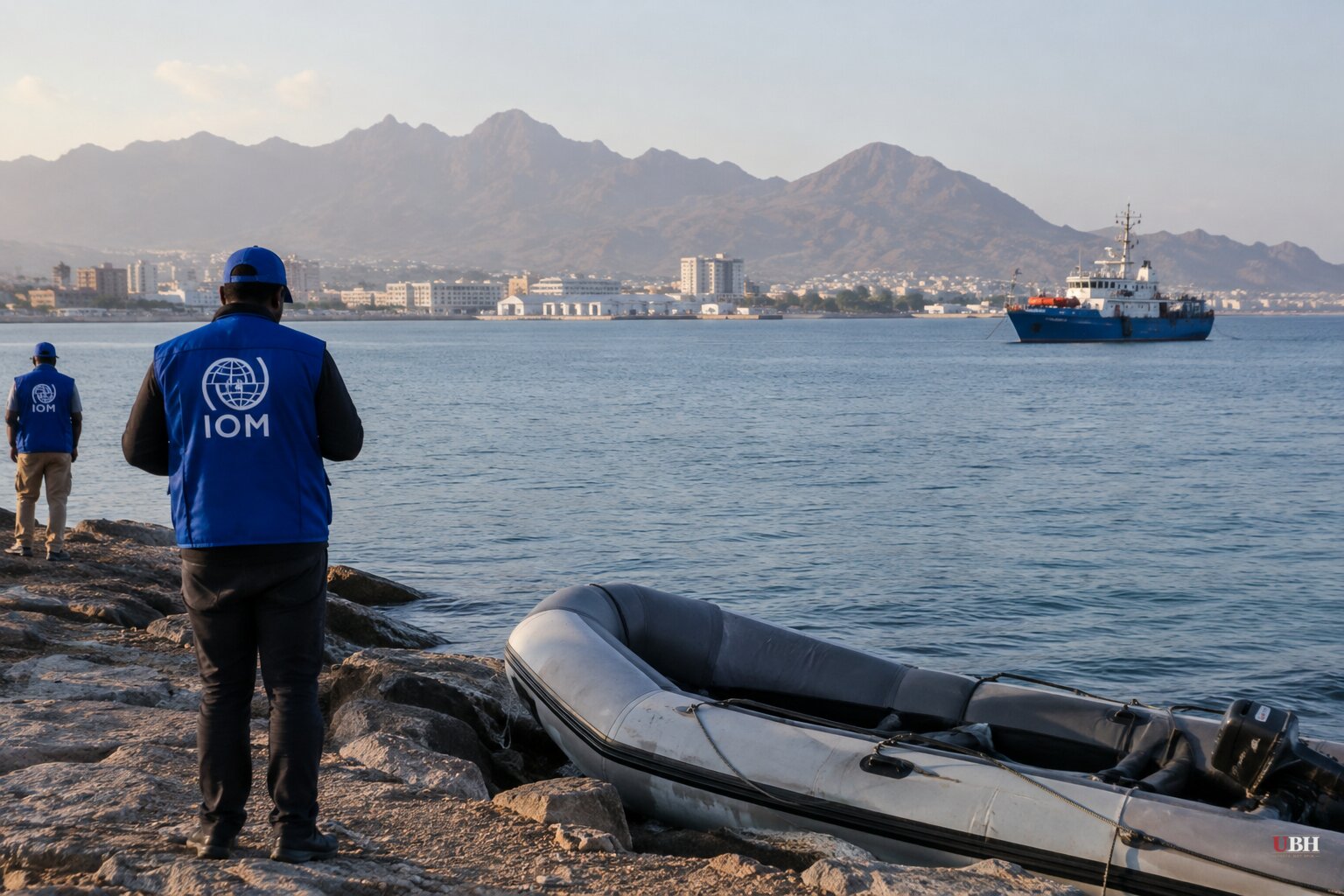
Since the International Organization for Migration first put the toll at 109 dead and 116 missing after the boat sank off Djibouti, the agency has revised the numbers: at least 139 people are dead and 84 are missing, the IOM said Sunday, Oct. 11.
The arithmetic closes. The boat carried 305 people. With 139 confirmed dead, 84 unaccounted for and 82 survivors, every passenger is covered.
What the IOM now says happened
The vessel was heading from Djibouti to Yemen when it went down near Guhere, north of the fishing town of Obock, on the night of Oct. 8-9. Survivors told the IOM it sank almost immediately after boarding.
"Survivors told me that the boat started to sink backwards as soon as they got in it," said Alexandre Coissac, the IOM's chief of mission in Djibouti.
Coissac told the Associated Press the migrants boarded the evening of Oct. 8 and the boat went down close to shore "mainly because it was overcrowded."
The IOM called it one of the deadliest shipwrecks recorded on the route between the Horn of Africa and the Arabian Peninsula.
The count is still moving
The 139 figure includes only bodies buried by Djiboutian authorities. Coissac said other victims were buried by the migrants themselves. Those will not be added to the official count until authorities can verify them.
That means the real toll could be higher than 139, and the IOM has said so.
In the first tally of 109 bodies, the IOM counted 52 men, 42 women and 15 children: nine girls and six boys. The agency has repeated that at least 15 children are among the dead.
Coissac said local authorities were swamped. "The local authorities did their best, but they were overwhelmed with all the bodies that kept coming at once towards the shore," he said.
Many of the dead were buried unnamed in a common grave. "What is terrible is that they were buried with no names, in a common grave, like in a war situation," Coissac said. "They all have a mother, a father, and we may never learn what happened."
Survivors
Eighty-two people survived, all Ethiopian nationals. The IOM is assisting 64 of them at its Migrant Response Centre in Obock, with medical care, psychological support, food and shelter. Some have been given phones to tell relatives they are alive. Others already know family members died.
"They're all in a state of shock," said Coissac, who visited the site Saturday.
Djiboutian authorities are continuing search and rescue operations. The IOM says local authorities are also providing medical care and arranging burials.
Coissac said 150 of the people aboard had previously been turned back from Yemen and tried the crossing again. He also said one survivor he spoke with came from Tigray in northern Ethiopia, where rebels are fighting the federal government in a recent flare-up.
A crossing that keeps filling
The route across the Bab el-Mandeb Strait carries tens of thousands of people a year from the Horn of Africa toward Gulf states, where many seek work. The IOM cites poverty, insecurity and climate pressures as drivers.
The flow has not slowed. IOM spokesman Kennedy Omondi Okoth said 178,000 people arrived in Djibouti from Ethiopia between January and October this year. Since Sept. 10, the agency's Displacement Tracking Matrix has logged more than 20,000 movements from Ethiopia into Djibouti.
That is happening while Yemen is at war. Houthi rebels and the Saudi-backed Yemeni government are fighting, and the Houthis have joined the wider regional conflict involving the United States and its allies against Iran. Djibouti's refugee agency, Onars, says more than 3,800 people have crossed into Djibouti to escape the violence.
The IOM says migrants who do reach Yemen can face violence, arbitrary detention, exploitation and trafficking.
The death count on this corridor was already high. More than 900 migrants died or went missing on it in 2025, a year when the number attempting the journey rose 18%, according to IOM statistics. In March 2026, a similar capsizing left nine dead and 45 missing.
What comes next
The figure to watch is the missing count of 84 and the unverified burials. Djiboutian authorities have not said when they expect to finish verifying bodies buried by the migrants themselves, and the IOM has warned the death toll could still rise.
Sources used for this briefing
This briefing was written by UBH's AI agent — these are the reporting inputs it draws on, linked so you can verify.


