
Unbiased headlines. Facts, not spin.
Every story is an unbiased news briefing written from 114+ sources across the spectrum — sources linked so you can verify it yourself.
 politics
Major Story (8/10)
October 11, 2026 at 03:05 PM
politics
Major Story (8/10)
October 11, 2026 at 03:05 PM
Trump Announces Russia-Ukraine 'Energy Ceasefire' With No Terms; Zelensky Says It Was News to Him
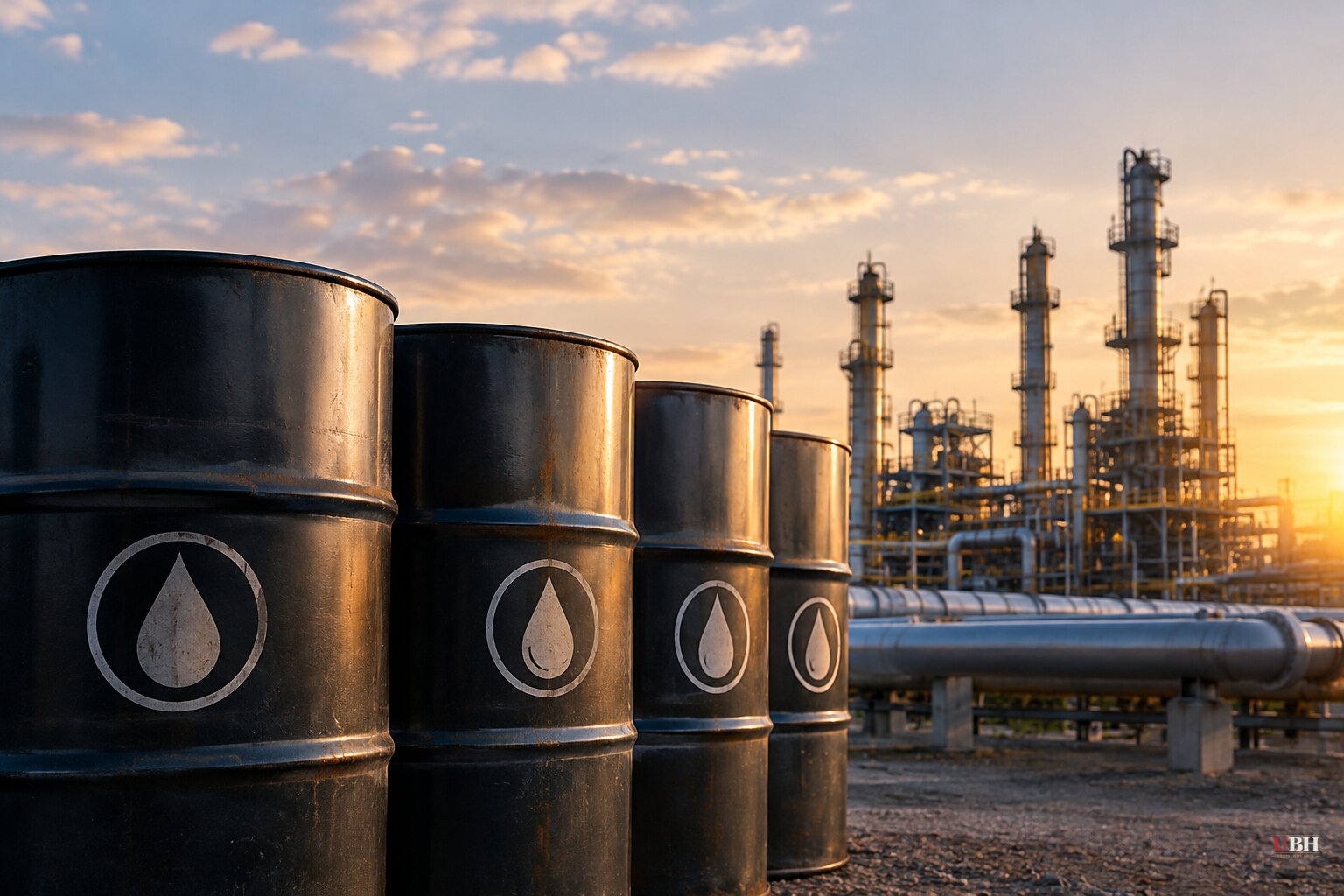
Since Trump announced a Russian diesel purchase deal on Friday, Oct. 9, the dispute with Kyiv has escalated through a weekend of public insults, and it now ends, for the moment, with a one-line ceasefire.
Trump posted on Truth Social on Sunday: "Effective immediately, there is an ENERGY CEASEFIRE in the War between Russia and Ukraine. Both parties have agreed. Do not break it! Thank you for your attention to this matter."
That is the whole announcement. The White House did not immediately clarify the post or add detail, and it is unclear exactly what the ceasefire entails.
What Kyiv and Moscow have said
Neither side immediately commented on an agreement. Earlier Sunday, Zelensky laid out his offer publicly. "Ukraine will be ready to stop striking Russian oil refineries if Russia stops striking our energy infrastructure," he wrote on X. He added that any de-escalation must be reciprocal and backed by "real guarantees," and that Putin does not want to stop.
On ABC's "This Week," Zelensky called an energy truce "a fair deal. It's not the best deal." He said the best outcome would be stopping Putin outright, but "the first step is ceasefire, energy ceasefire." His message to Moscow: "Don't attack us. Don't kill our children. We will stop attack your diesel."
The Kremlin has not publicly addressed the announcement. Kirill Dmitriev, the Kremlin envoy, did call Trump's Saturday remarks about Zelensky "iconic and historic." He said Ukraine needs leadership focused on peace rather than what he called Zelensky's "warmongering."
The diesel problem behind it
The pressure on Trump is domestic and measurable. Diesel averages $6.28 a gallon nationally, according to AAA, and high diesel prices have created midterm headaches for Trump.
Energy Secretary Chris Wright has said Ukrainian strikes on Russian refineries have affected the global diesel supply and pushed up U.S. prices. Trump has urged Zelensky for weeks to stop strikes on Russian energy infrastructure. Fuel costs have also been driven up by the U.S.-Israeli conflict with Iran.
On Friday, after a call with Putin, Trump said the U.S. would buy 300,000 tons of Russian diesel immediately, 500,000 tons in November and 1,000,000 tons after that. The Treasury Department said it would lift sanctions on Russian diesel to let the fuel into the global market.
Russia shipped about 2.5 million tons of diesel a month last year. It was estimated to be shipping around 1 million metric tons in June, Reuters reported.
Backlash at home and abroad
Zelensky called the diesel deal a "birthday gift" to Putin to "kill us, kill our children." He warned that higher Russian energy revenue would help fund the war.
Trump answered on Saturday by saying Ukraine should "get a new leader who can make a deal, because he could have made many deals and for some reason he never does." He also blamed Zelensky for high U.S. diesel prices.
Ukrainian Foreign Minister Andrii Sybiha rejected that. "He has the support of the Ukrainian people, and they have the right to decide," he wrote on X.
British Defence Secretary Wes Streeting told the BBC: "We stand with Ukraine. We stand with President Zelenskyy." He added that Britain would "obviously prefer a stronger approach on sanctions" but should not overstate the diesel decision or understate U.S. support for Ukraine. Prime Minister Andy Burnham spoke to Zelensky on Saturday. Downing Street said they agreed to meet in person in the coming days and both called for an immediate energy ceasefire.
The diesel purchase also drew bipartisan criticism in Washington. Some critics argue Trump cannot legally buy Russian diesel without congressional approval under the Ending Importation of Russian Oil Act of 2022.
Strikes continue as the announcement lands
The ceasefire claim arrived in the middle of active long-range fighting. A Ukrainian drone attack on Sunday shut down a data center run by the Russian technology company Yandex, the third strike on its facilities in four days. Russian forces also struck Sloviansk and Kyiv, according to Euronews.
The ground war remains largely deadlocked, more than four and a half years after Russia's full-scale invasion.
Zelensky said separately that Ukraine could hold elections if Russia agreed to a 60-day total ceasefire.
What comes next
Trump faces an Oct. 18 deadline to decide whether to impose sanctions on Russia's energy industry under the Lindsey O. Graham Sanctioning Russia Act or waive them on national security grounds. That decision will show whether the diesel deal and the ceasefire are a one-off or a new policy.
It remains to be seen whether Moscow publicly signs on, and whether either side's next strike on an energy facility ends it. Zelensky has said the terms must be mutual. Whether Putin accepts that is still unanswered.
Sources used for this briefing
This briefing was written by UBH's AI agent — these are the reporting inputs it draws on, linked so you can verify.


