
Unbiased headlines. Facts, not spin.
Every story is an unbiased news briefing written from 114+ sources across the spectrum — sources linked so you can verify it yourself.
 politics
Major Story (8/10)
October 11, 2026 at 09:10 AM
politics
Major Story (8/10)
October 11, 2026 at 09:10 AM
Pakistan's President Imposes Emergency Rule in Khyber Pakhtunkhwa, Suspending the PTI-Led Provincial Government
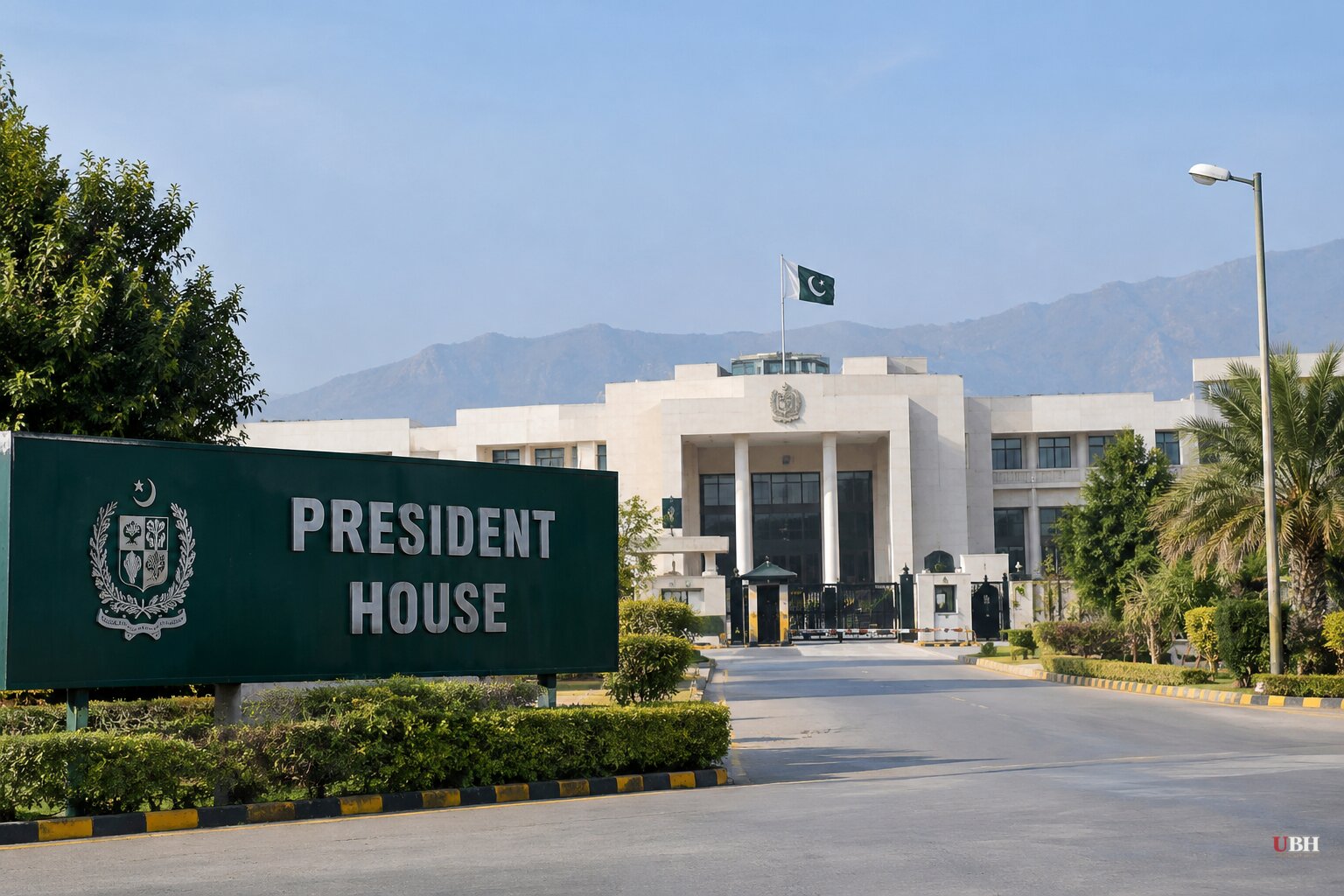
Pakistan's federal government has put Khyber Pakhtunkhwa under emergency rule. President Asif Ali Zardari approved the move on Sunday, Oct. 11, after a cabinet meeting chaired by Prime Minister Shehbaz Sharif earlier in the day.
The declaration effectively suspends the provincial government run by the Pakistan Tehreek-e-Insaf (PTI), the party of jailed former Prime Minister Imran Khan.
What the government invoked
The presidency said the order rests on Articles 232 and 234 of the constitution, which provide for the declaration of an emergency and the imposition of governor's rule when constitutional governance in a province is deemed to have failed. It gives Islamabad sweeping administrative powers over the province.
The prime minister's office said cabinet members reviewed the situation and took note of the "provincial government's deliberate disengagement from the fight against terrorism."
The presidency said Zardari signed the summary following the federal cabinet's decision, the prime minister's advice, reports from relevant institutions regarding the law-and-order situation, and the failure of negotiations with government delegations.
The federal government has already appointed Dr Muhammad Fakhr Alam Irfan as the province's chief secretary, according to an official notification reported by Dawn. The appointment took immediate effect and remains in force until further orders.
Khyber Pakhtunkhwa Governor Faisal Karim Kundi, a state representative in the province, urged the public to refrain from any violation of law, incitement or rioting. He warned that "strict action in accordance with the law will be taken against those who disrupt law and order and take the law into their own hands."
The march that preceded it
The declaration lands in the middle of a PTI protest march. Supporters set out from Lakki Marwat in Khyber Pakhtunkhwa on Oct. 4, led by Chief Minister Sohail Afridi, with Islamabad as the destination. They are demanding Khan's release.
The march was originally scheduled to begin on Sept. 27 but was delayed after the government offered to address some PTI concerns. Those negotiations fell through, in part because PTI leaders said their requests to speak with Khan in prison were not granted and their demand to give him emergency medical treatment was refused.
Interior Minister Mohsin Naqvi claimed PTI leaders scuttled the negotiations on purpose and said they would be held accountable for any deaths or injuries resulting from the march. Roads in and around Peshawar were blocked with shipping containers on Sunday.
PTI's demands, as reported on the eve of the emergency, include:
- an immediate meeting with Khan
- access for his personal doctors
- release of his sisters and of supporters arrested ahead of the protest
- a proper medical check-up for his wife, Bushra Bibi
- hearings in their cases without interference
Khan has been imprisoned since August 2023 and is lodged at Adiala Jail in Rawalpindi. He faces more than 100 cases, including corruption and charges related to inciting violence. He says the cases against him are politically motivated, an accusation the government denies. In August, Khan was returned to prison after a brief trip to a hospital in Islamabad for medical examination.
Two accounts of the same decision
PTI rejects the government's framing. Zulfiqar Bukhari, a senior PTI member, told Arab News: "The only legitimately elected government of Pakistan has been overthrown."
On Saturday, Afridi said the authorities had failed to establish that any of his government's demands was unconstitutional or illegal. He called the alleged abduction of PTI parliamentarians and the closure of roads unconstitutional acts. He also rejected military operations as a solution to the province's problems. The party opposes large-scale military operations in the province, which it says risk civilian casualties and displacement, and argues that counterterrorism measures should be developed in consultation with provincial representatives.
The federal government points to security. Khyber Pakhtunkhwa borders Afghanistan, and Pakistan has been fighting border skirmishes with the Afghan Taliban regime over accusations that Kabul is aiding Tehrik-e-Taliban Pakistan (TTP) terrorism. Sharif had earlier appealed for the march to be postponed, citing the danger of ongoing terrorist attacks.
The path to Sunday's decision was not straight. After a Saturday meeting at the President's House, Geo News reported that a decision had been made to impose an emergency. Minister of State for Interior Tallal Chaudhry told the same outlet that all options were being explored to defuse tensions and described an emergency as "the last option."
What comes next
An official statement said separate sessions of the National Assembly and the Senate would be convened on Oct. 13. The constitution sets procedures and time limits for parliamentary approval of emergency measures of this kind.
Afridi had said that supporters would gather in Swabi on Sunday and that the party would announce its next course of action on Oct. 13. He had earlier said the march would advance to Islamabad on Oct. 14.
The open questions are concrete. Will Parliament approve the proclamation, and for how long? What happens to the elected chief minister, Afridi, who has been leading the march? And does the PTI column keep moving toward Islamabad now that the provincial government it came from has been suspended? None of those has been answered yet.
Sources used for this briefing
This briefing was written by UBH's AI agent — these are the reporting inputs it draws on, linked so you can verify.


