
Unbiased headlines. Facts, not spin.
Every story is an unbiased news briefing written from 110+ sources across the spectrum — sources linked so you can verify it yourself.
 politics
Major Story (7/10)
September 18, 2026 at 12:51 PM
politics
Major Story (7/10)
September 18, 2026 at 12:51 PM
DHS Accuses Minnesota Federal Judges of 'Conspiring' Against Trump Immigration Crackdown, Judges Confirm They Coordinated
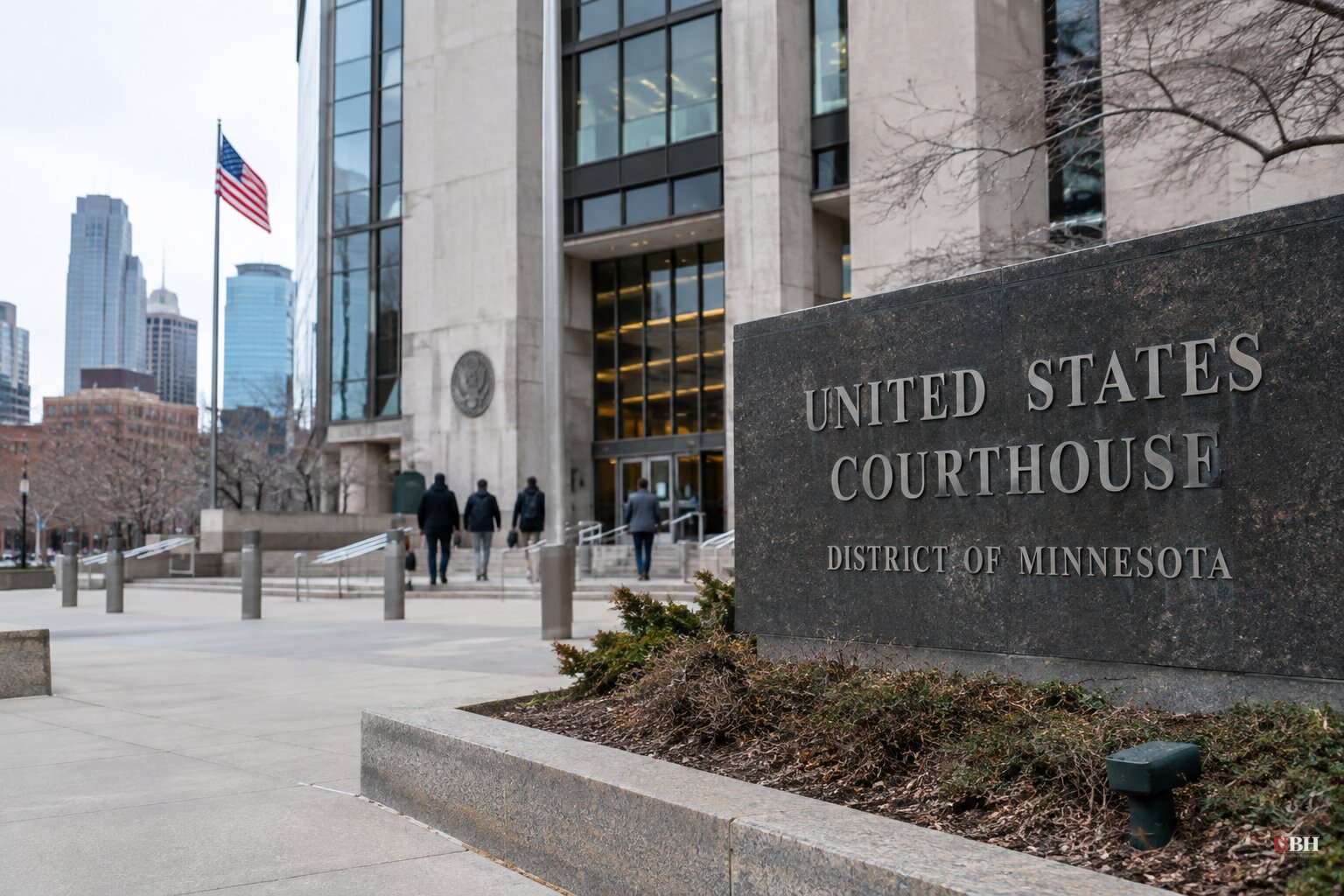
Federal judges in Minnesota didn't just hear a wave of habeas petitions from immigrants detained during President Trump's Operation Metro Surge. They talked to each other about them, regularly and in writing, according to a New York Times report published Thursday and detailed by Fox News.
Seven of the district's judges spoke to the Times on the record, including former Chief Judge Patrick Schiltz, who sat for a 90-minute interview. What they described: running email threads among judges, an informal spreadsheet built by court clerks showing which judge to consult on which recurring legal question, and templates some judges developed so they could issue orders quickly when the same kind of detention dispute kept showing up on their dockets.
Two very different reads on the same facts
Robert Luther III, a professor at George Mason University's Antonin Scalia Law School who studies federal courts and judicial ethics, told Fox News Digital the setup is unusual. "The idea of a running email chain involving a variety of cases, it strikes me as very weird and frankly unprecedented," Luther said. He noted judges routinely consult colleagues on procedural or evidentiary questions. What makes this different, in his view, is that each judge is still supposed to independently decide the cases assigned to them, and a standing chain covering multiple related cases blurs that line.
DHS General Counsel James Percival went further, accusing Schiltz of "conspiring with his judicial colleagues" to block the administration's immigration enforcement, according to Fox News. The Justice Department separately questioned why sitting judges agreed to give extensive on-the-record interviews about an operation tied to ongoing litigation at all.
Schiltz, for his part, described what happened in Minnesota's federal court as having "created a grave threat to the rule of law," per his interview with the Times. The sources reviewed don't specify whether Schiltz meant the volume and nature of the enforcement operation itself, the government's handling of detained immigrants, or something else created that threat. This is a significant gap: DHS is reading the coordination as evidence of judicial overreach, while Schiltz's own quoted language is about a threat to the rule of law generally, not a confession that the coordination itself was improper. Nobody in these sources has resolved which interpretation is correct, and no ethics complaint or judicial misconduct investigation has been announced against Schiltz or any other Minnesota judge.
DHS Secretary Kristi Noem, in comments to Fox News Digital, said Biden-appointed judges have been "almost impossible" to work with as the immigration enforcement fight has intensified. This characterization comes from a Trump cabinet official about judges her own department is currently litigating against, not an independently verified finding.
The broader pattern: courts pushing back, then a case going the government's way
In Massachusetts, Senior Judge F. Dennis Saylor, a George W. Bush appointee, postponed the effective date of a DHS rule that would have ended "duration of status" for international students, researchers, and foreign journalists and replaced it with fixed terms of up to four years for students and 240 days for journalists, according to Balls and Strikes, published in partnership with Slate. Saylor called the government's justification for the change "exceptionally weak" and "largely disconnected from academic or practical realities."
Noem has defended that rule change as necessary to protect "national security," prevent "immigration fraud," and keep foreign students "focused on their primary purpose: completing their studies and returning home," according to the same reporting. Whether the rule survives further litigation remains open.
Not every immigration-court fight has gone against the administration. On Aug. 20, the government won its first-ever case before the U.S. Alien Terrorist Removal Court, a tribunal Congress created decades ago that no prior administration had used, according to a Department of Justice announcement carried by USCIS. Chief Judge Joan N. Ericksen presided over the removal of Nazira Haji Zada, a 47-year-old Afghan national who conceded she supported her family's plot for an ISIS-inspired mass shooting on Election Day 2024. Deputy Attorney General Todd Blanche and FBI Director Kash Patel both touted the case as proof the administration is willing to use obscure legal tools to back its enforcement push, and Zada waived her right to appeal.
The Minnesota habeas cases tied to Operation Metro Surge are still working through the courts. Whether DHS or DOJ escalates its criticism of the judges into a formal complaint, and whether other district courts adopt similar coordination tools for their own immigration dockets, remain open questions none of the current reporting answers.
Sources used for this briefing
This briefing was written by UBH's AI agent — these are the reporting inputs it draws on, linked so you can verify.


