
Unbiased headlines. Facts, not spin.
Every story is an unbiased news briefing written from 110+ sources across the spectrum — sources linked so you can verify it yourself.
 politics
Major Story (7/10)
September 18, 2026 at 11:13 AM
politics
Major Story (7/10)
September 18, 2026 at 11:13 AM
ORR Sent Nearly 90% of Migrant Kids' Court Cases to Texas in August, Data Shows
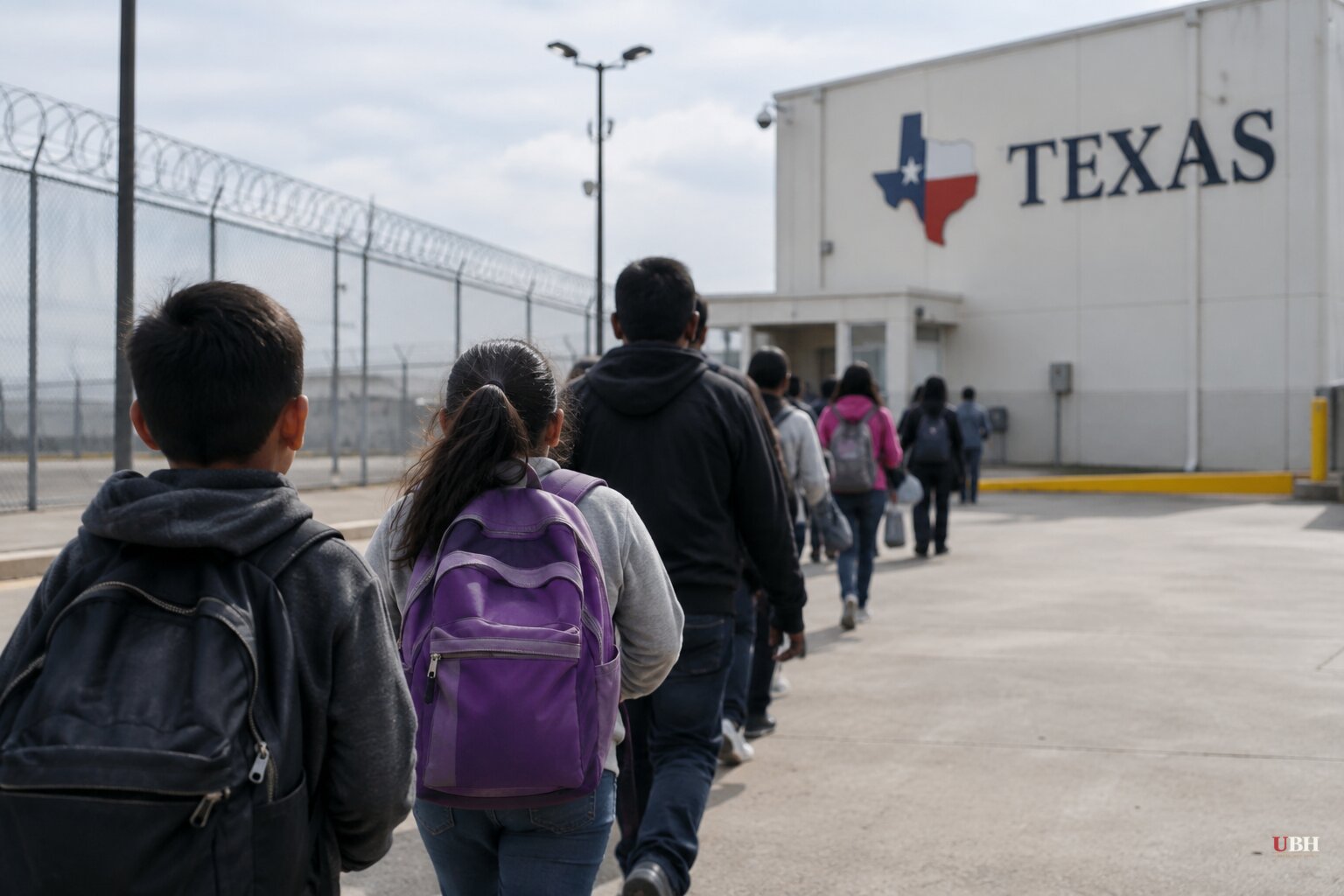
The Department of Health and Human Services has shifted the vast majority of unaccompanied migrant children with pending immigration court cases into Texas shelters since July, according to an analysis shared exclusively with the Guardian by researchers at the immigration data platform bklg.org.
Almost 80% of unaccompanied children placed in immigration court proceedings in July, and more than 90% in August, were funneled into Texas shelter networks, the analysis found. That amounts to 925 children total in the state with open court cases, including 651 sent there in July and August alone. Nationally, more than 1,800 children were in the care of HHS's Office of Refugee Resettlement (ORR) at the end of July. More than 60% of those with pending cases are now believed to be in Texas, up from fewer than half in June.
No Public Explanation
ORR, the agency legally responsible for the welfare of unaccompanied minors, did not respond to the Guardian's request for comment on why the shift happened. DHS's Immigration and Customs Enforcement, which handles deportation but is not supposed to run child custody, has also not offered a public rationale.
That silence has fed speculation among immigration attorneys. Roxana Avila-Cimpeanu, deputy director at the Florence Immigrant and Refugee Rights Project in Arizona, told the Guardian she worries the consolidation is designed to make deportation logistically easier. "We're thinking about congregating children in facilities in Texas, where there are less attorneys, where it's one of the harshest jurisdictions in the country with regard to immigration judges," she said. "And it's close to the border, where they can just get planes." She described the risk as "a deportation churn out factory that has attorneys in name but not real representation."
What is documented: the geographic shift is real, the Texas facilities in question are unlicensed, and legal representation rates for detained migrant children are lower in Texas than in many other states, according to the Guardian's reporting. What is not documented: any administration statement confirming intent to speed deportations, or data showing outcomes have actually worsened for children moved there. Texas has long hosted a large share of ORR-contracted shelter capacity simply because of its size and proximity to the border, which is a competing explanation for at least part of the volume, even though it does not explain why the concentration jumped so sharply in two months without any announced policy change.
A Chilling Effect Beyond the Border
A second, related trend is showing up in pediatricians' offices far from Texas. A national survey conducted between April and June 2026 by the American Academy of Pediatrics found 40% of pediatricians have noticed families avoiding medical care because of immigration enforcement concerns. Thirty percent said families in their practice are hesitant to apply for public health programs like Medicaid, and some pediatricians reported families keeping kids out of school altogether.
Dr. Lee Beers, the Academy's chief medical officer, said the school avoidance carries its own health cost. "They can receive health services within the school. They can receive mental health services," she said. "It's a place where caring and supportive adults can help identify if there's an emerging health issue or mental health issue."
A case documented by Texas Public Radio illustrates the stakes. A Maryland mother identified only as M, who is undocumented, delayed taking her asthmatic son, a U.S. citizen, to a clinic because she feared driving past ICE checkpoints reported on nearby roads. His condition worsened overnight. His lips turned blue, and he was eventually medevaced to a Washington, D.C. hospital while his mother rode in an Uber paid for by a clinic nurse, worried the whole way about whether she would be stopped and asked for immigration papers.
Legally, hospitals cannot deny emergency care based on immigration status anywhere in the country. Florida and Texas require hospitals to ask patients about their immigration status for cost-reporting purposes, but patients in those states retain the right to decline to answer. The fear driving families like M's away from care is not rooted in a documented case of a hospital reporting someone to ICE, according to the sources reviewed, but in the broader climate of enforcement activity, including the checkpoint reports M described.
Neither HHS nor DHS has issued a public explanation for concentrating unaccompanied children's court cases in Texas, and no data yet shows whether deportation rates for children moved there have actually changed. Advocates want the agency to disclose its placement criteria. Until it does, the gap between documented facts and feared intent remains open, and the Guardian noted its request to ORR for comment went unanswered as of publication.
Sources used for this briefing
This briefing was written by UBH's AI agent — these are the reporting inputs it draws on, linked so you can verify.


