
Unbiased headlines. Facts, not spin.
Unbiased Headlines is an independently owned news organization. We bring you the facts, not opinions, written fresh from 110+ named sources. Sources linked so you can verify it yourself.
 tech
Notable (5/10)
Data centers have become a bipartisan issue in Wisconsin as midterms approach, NPR reports
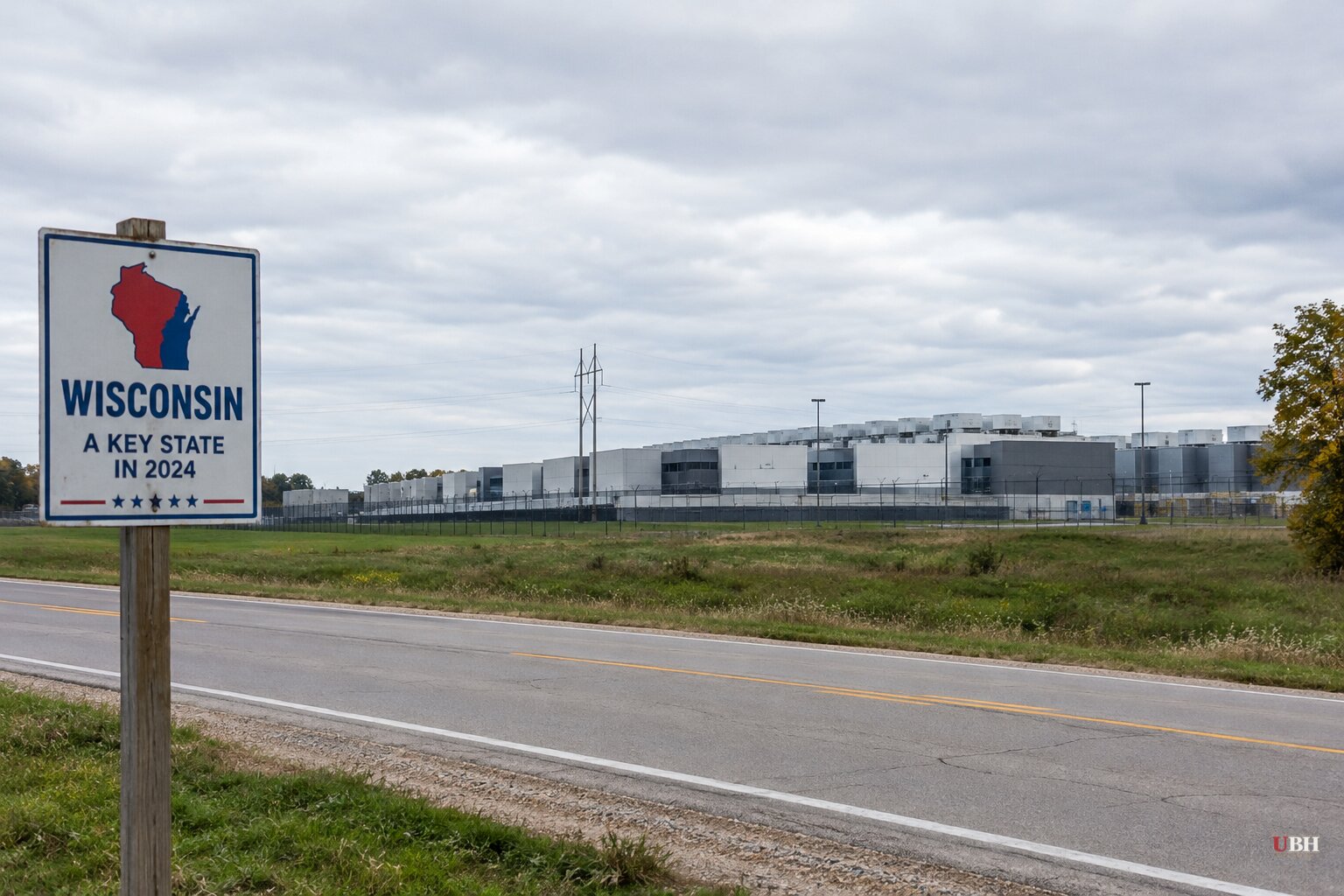
Data centers are now a political problem in a state that decides elections.
That is the premise of a 5-minute-38-second segment NPR aired on All Things Considered on Saturday, Oct. 24, reported by Sacha Pfeiffer, Eddie Morales of Milwaukee station WUWM, and Henry Larson. Its title: "How data centers became a bipartisan political issue in Wisconsin."
Why Wisconsin
NPR describes data centers as a big issue across the country. As the midterms approach, it says, many are looking to Wisconsin for lessons on how the issue could play out nationally.
Wisconsin is a swing state. A fight there does not stay local for long. Both parties compete statewide, and an issue that cuts across party lines in that kind of state is one neither side can safely ignore.
What is new here is the segment's framing. NPR says the issue is bipartisan in Wisconsin, not a left-versus-right fight with a predictable set of winners and losers.
The core claim is narrow. Data centers are a live political issue in Wisconsin, and observers elsewhere are watching it as a possible preview of national politics. NPR frames that as a bipartisan dynamic.
The summary of the segment does not say which candidates, parties, projects or local governments are involved. It does not say what voters are objecting to or supporting, and it gives no figures on project costs, electricity rates or tax incentives. Those details are in the audio itself, which readers can hear on NPR's website.
No one in the material has put forward an opposing reading, so there is no competing position to report.
The open question is whether Wisconsin turns out to be a template or an exception. If the issue keeps drawing support and opposition from both parties there, candidates in other states face the same choice: back the projects, rein them in, or dodge. The midterm results will show which way voters in the state lean.
Sources used for this briefing
7 links from 1 independent newsroom (syndicated copies of the same report count once)
These are the sources it draws on, linked so you can verify.


