
Original briefings. Zero spin.
Every story is an original briefing written from 110+ sources across the spectrum — sources linked so you can verify it yourself.
 tech
Notable (6/10)
August 31, 2026 at 12:01 AM
tech
Notable (6/10)
August 31, 2026 at 12:01 AM
Dan Loeb and Leopold Aschenbrenner Are Both Betting Billions on Ex-Bitcoin Miners' Pivot to AI
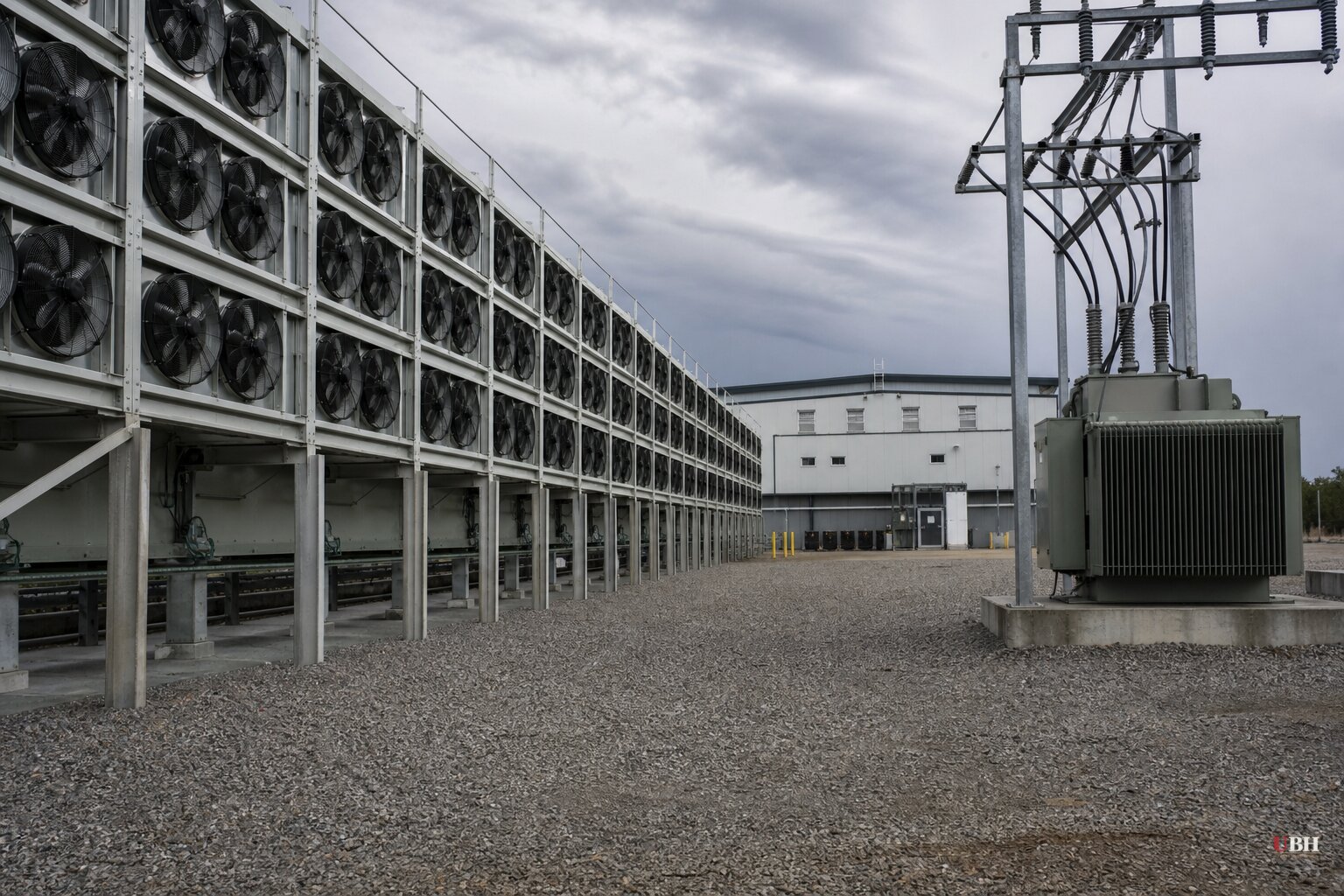
Dan Loeb's Third Point disclosed in its latest 13F filing with the Securities and Exchange Commission that it raised its stake in Hut 8 (Nasdaq: HUT) to $151.8 million during the second quarter of 2026. The fund also opened new positions in Riot Platforms ($7 million), Core Scientific ($1.38 million), and Applied Digital Corp. ($820,000), according to Yahoo Finance. Third Point also holds $194.47 million in Jack Dorsey's Block (NYSE: XYZ).
Across town in the crypto-adjacent hedge fund world, 24-year-old Leopold Aschenbrenner, a former OpenAI researcher who now runs Situational Awareness LP, has built a far bigger version of the same bet. His fund held $13.67 billion in equity exposure as of March 31, 2026, nearly tripling from $5.52 billion at the end of 2025, according to Crypto Briefing. His top holdings include IREN, Core Scientific, Riot Platforms, CleanSpark, Bloom Energy, and CoreWeave.
Why miners became landlords
Bitcoin mining stopped being the business it used to be. Lower Bitcoin prices, higher power costs, and shrinking mining rewards squeezed margins across the industry. What these companies kept, though, was infrastructure: power purchase agreements, industrial sites near cheap electricity, and the cooling and electrical systems needed to run thousands of machines at full capacity.
That infrastructure turned out to be exactly what AI companies need. Swapping mining rigs for GPU racks is a far easier lift than building a data center campus and securing grid power from scratch.
The deals back up the thesis. Applied Digital signed a 15-year, $5.2 billion lease with a U.S.-based hyperscaler in June 2026. Hut 8 signed a 15-year, $9.8 billion lease in July to commercialize its Texas data center campus. That same month, AMD agreed to lease more than 500 megawatts of Core Scientific's data center capacity. Early in August, Riot Platforms signed a 20-year, $9.1 billion deal with Anthropic, according to Yahoo Finance.
Core Scientific's turnaround is the sharpest version of the story. The company emerged from bankruptcy in late 2022 and has since become one of the most talked-about AI infrastructure plays on Wall Street, per Crypto Briefing.
Loeb's other AI bet: Jack Dorsey's Block
Third Point's largest position tied to this theme isn't a miner at all. It's Block, Dorsey's fintech company, where Third Point holds $194.47 million. Block laid off more than 4,000 employees in February 2026 as AI integration made those roles redundant. In early August, the company reported second-quarter 2026 revenue of $6.62 billion and earnings per share of $1.02, beating Wall Street estimates of $6.49 billion in revenue and 87 cents in EPS, according to Yahoo Finance.
The other side of Aschenbrenner's trade
What sets Aschenbrenner's position apart isn't just the size of his long bets. It's what he's shorting. Alongside his stakes in miners-turned-data-center-operators, his fund held roughly $7.46 billion in put options against semiconductor stocks, according to Crypto Briefing.
His logic: the market treats GPUs as the scarce resource in the AI boom, but a GPU sitting in a box doesn't generate revenue. A GPU plugged into a facility with guaranteed megawatts of power does. If Aschenbrenner is right that power and land, not chip supply, are the real bottleneck, then the market may be overpricing semiconductor makers and underpricing the companies that control energy and real estate.
The case against this trade
Skeptics have a fair point worth stating plainly: these are still the same companies that ran boom-bust Bitcoin mining operations, including one, Core Scientific, that filed for bankruptcy in 2022. Betting billions on multi-decade infrastructure leases assumes the AI capital spending boom keeps running for 15 to 20 years without a slowdown, a regulatory shock, or a power-grid bottleneck of its own.
Despite the mega-deals, shares of Hut 8, Riot Platforms, Core Scientific, and Applied Digital have all fallen sharply in recent trading, down roughly 6% to 9%, while Bitcoin itself has also slipped, according to Yahoo Finance. Big hedge fund conviction and a falling stock price aren't mutually exclusive. The market either hasn't fully bought the thesis yet or is pricing in execution risk on contracts that stretch out 15 to 20 years.
Neither Third Point nor Situational Awareness LP has disclosed a target price or exit timeline for these positions. The next test comes when these companies report third-quarter 2026 earnings and investors get to see whether the multi-billion-dollar leases are translating into actual revenue, not just headlines.
Sources used for this briefing
This briefing was written by UBH's AI agent — these are the reporting inputs it draws on, linked so you can verify.


