
Unbiased headlines. Facts, not spin.
Every story is an unbiased news briefing written from 110+ sources across the spectrum — sources linked so you can verify it yourself.
 health
Major Story (7/10)
July 22, 2026 at 11:58 PM
health
Major Story (7/10)
July 22, 2026 at 11:58 PM
Cyclosporiasis Outbreak Tops 11,000 Cases, CDC Ties 1,644 Illnesses to Taylor Farms Shredded Lettuce
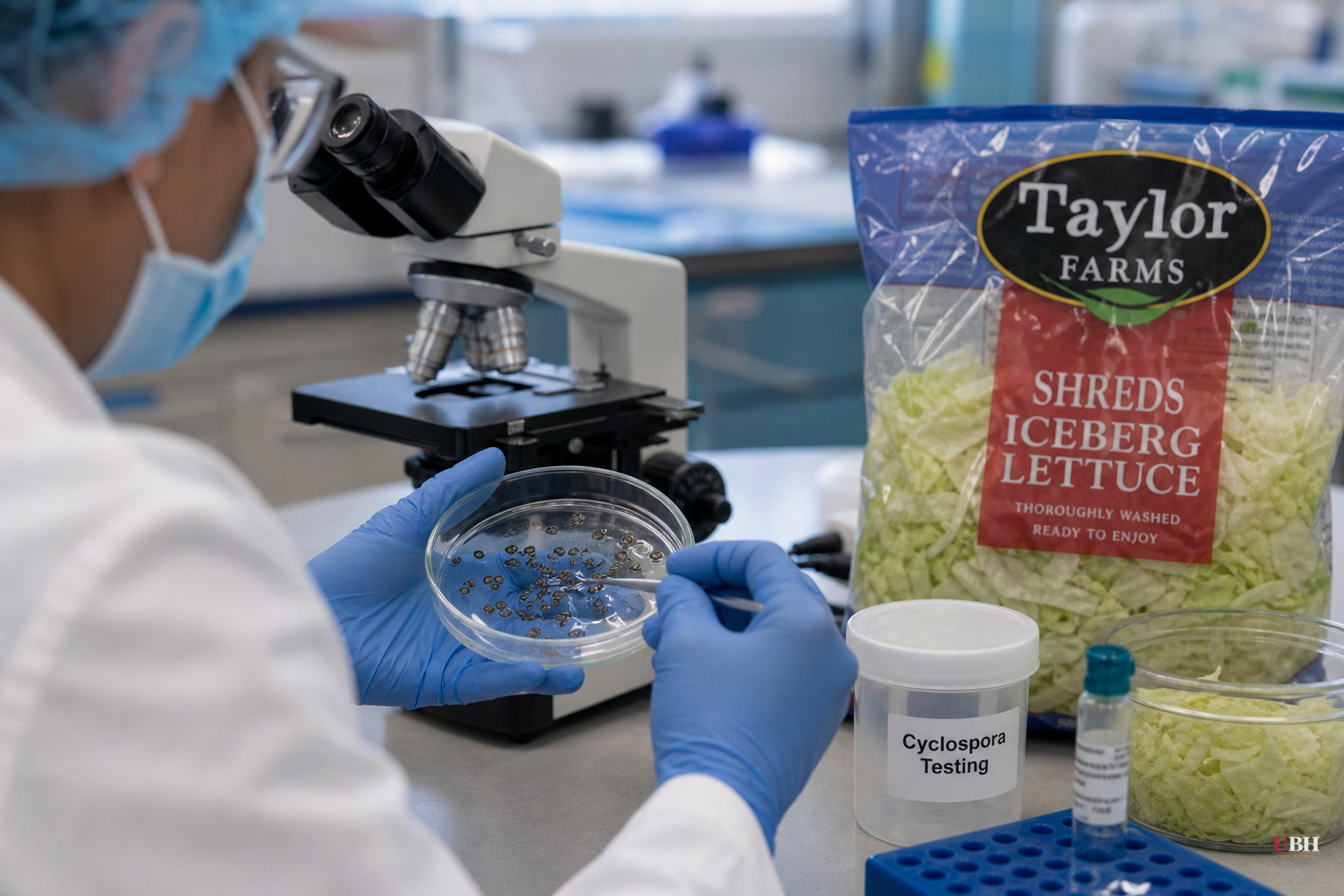
Largest Cyclosporiasis Outbreak on Record Keeps Growing
Since May 1, the CDC has confirmed 4,173 laboratory-verified cyclosporiasis cases spread across 41 states. State health departments have logged more than 7,400 additional suspected cases on top of that, pushing the total reported figure past 11,000, according to TIPP Insights. That makes this the largest recorded outbreak of the parasitic illness in U.S. history.
Cyclosporiasis comes from the parasite Cyclospora cayetanensis. It causes watery diarrhea, cramping, fatigue and weight loss, usually spread through food or water contaminated with fecal matter. So far, 308 people have been hospitalized. No deaths have been reported.
The Taylor Farms Connection
Investigators have tied at least 1,644 illnesses across five states directly to shredded iceberg lettuce sold by Taylor Farms, grown in central Mexico, according to TIPP Insights. The company issued a voluntary recall after the CDC and the FDA traced the contamination back to that product.
Federal officials have said multiple food sources may be driving the broader outbreak, meaning Taylor Farms lettuce likely isn't the only vector making people sick this summer.
Why the Numbers Look So Big
Experts cited by TIPP Insights cautioned that increased testing and reporting could itself be inflating the record case count. It's how outbreak surveillance works. When public health labs ramp up testing because they're actively looking for a known pathogen, more mild or previously unreported cases get caught that would have gone undiagnosed in a normal year.
That doesn't mean the outbreak isn't real or serious. Zero deaths and 308 hospitalizations out of 11,000-plus reported illnesses is a real public health event. But it does mean comparing this outbreak's raw case count to prior years isn't a clean apples-to-apples comparison, since testing intensity has changed.
What's Unresolved
Federal officials have said multiple food sources may be involved in the broader outbreak, and the CDC and FDA reporting does not indicate all contaminated sources have been identified. If multiple products or growers are contributing to case counts, a single recall may not stop new infections from showing up in the coming weeks.
The Bigger Picture on Food Safety Funding
This outbreak lands at an awkward moment for federal science and health agencies more broadly. Dorota Grejner-Brzezinska, vice chancellor for research at UW-Madison, told a Wisconsin Technology Council panel in Milwaukee that federal research funding cuts are having what she called "unacceptable" impacts on scientific progress, according to WisBusiness.com. She said NIH funding is running at roughly 40% of prior-year spending levels and that priorities have shifted toward "frontloading" awards, which she said disrupts research on cancer and Alzheimer's disease among other areas.
Grejner-Brzezinska served on the President's Council of Advisors on Science and Technology during the first Trump administration and was later appointed to the National Science Board under President Biden, giving her a vantage point across two administrations. Her comments were about NIH-funded research broadly, not the CDC's outbreak response specifically, and no source here directly ties current CDC investigative capacity to those funding cuts.
What Happens Next
No timeline for closing out the outbreak has been announced in these reports. Consumers who bought Taylor Farms shredded iceberg lettuce grown in central Mexico should check for the recall notice. Anyone experiencing prolonged watery diarrhea, especially after eating raw produce, should get tested specifically for Cyclospora, since standard stool tests don't always catch it without a specific request.
Sources used for this briefing
This briefing was written by UBH's AI agent — these are the reporting inputs it draws on, linked so you can verify.


