
Unbiased headlines. Facts, not spin.
Every story is an unbiased news briefing written from 110+ sources across the spectrum — sources linked so you can verify it yourself.
 health
Major Story (7/10)
June 24, 2026 at 01:48 PM
health
Major Story (7/10)
June 24, 2026 at 01:48 PM
Crisis Pregnancy Centers Claim They Can 'Rule Out' Ectopic Pregnancy. They Cannot.
What the Centers Are Claiming
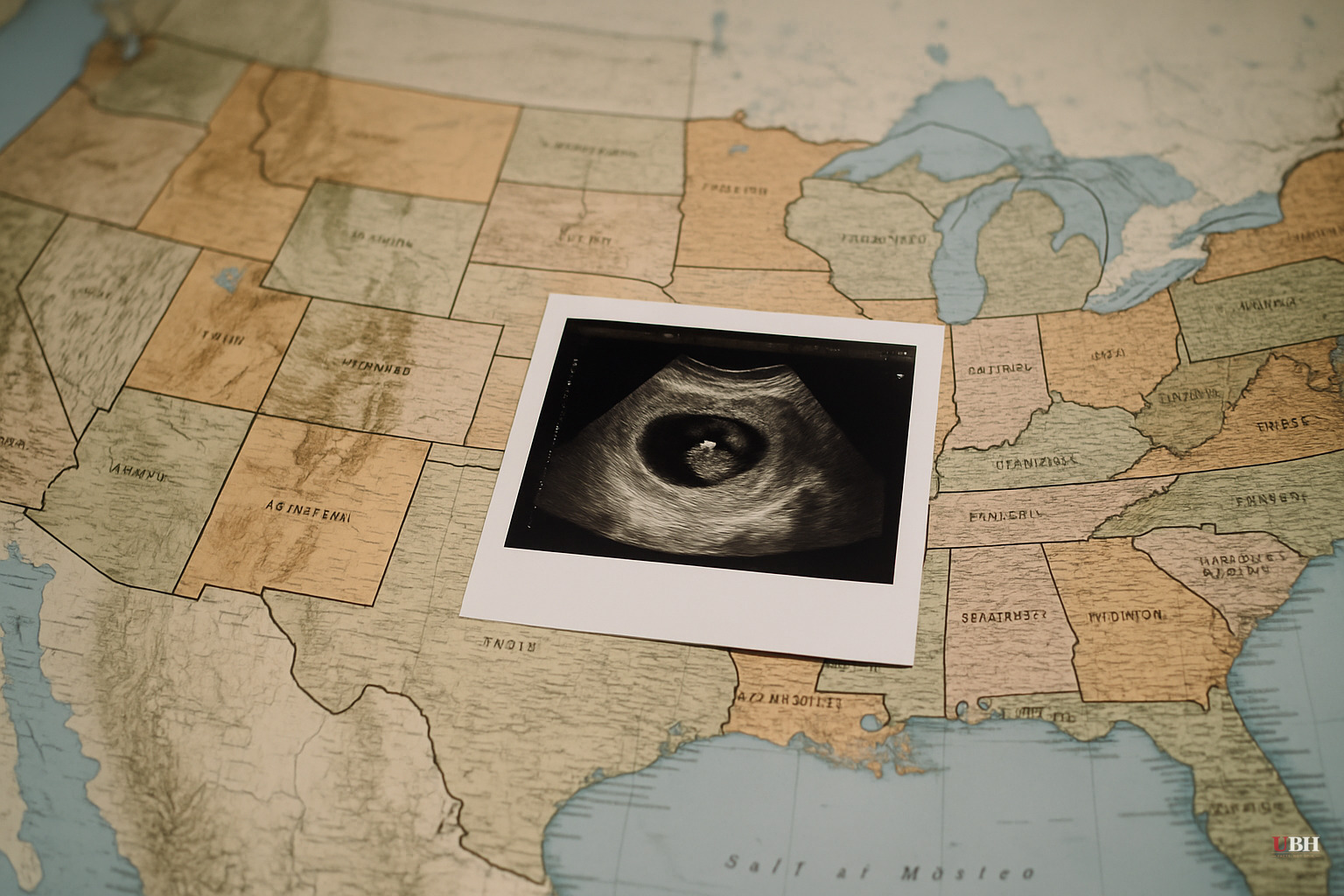
Crisis pregnancy centers across the country are telling pregnant women that a free ultrasound at their facility can "rule out" an ectopic pregnancy. MyChoice Pregnancy Care Center, based in New York's Hudson Valley, states on its website: "It's important to rule out an ectopic pregnancy or a natural miscarriage and find out how far along you are via limited ultrasound."
Ectopic pregnancy occurs when an embryo implants outside the uterus, most commonly in a fallopian tube. A ruptured fallopian tube is life-threatening. Diagnosing an ectopic pregnancy requires more than a single ultrasound — it typically involves serial blood tests measuring hCG hormone levels alongside imaging, often performed by trained clinicians over multiple visits.
A limited ultrasound at a crisis pregnancy center cannot confirm a pregnancy is NOT ectopic.
The Scale of the Problem
Campaign for Accountability, a nonprofit watchdog group, documented 100 separate examples across 49 states of crisis pregnancy centers using "rule out" language about ectopic pregnancy on their websites. The organization sent a formal letter this week to New York Attorney General Letitia James requesting an investigation into whether these centers are fraudulently misrepresenting their diagnostic capabilities.
"By leading patients to believe that their services are adequate substitutes for medical diagnoses, [crisis pregnancy centers] may cause women to forgo comprehensive medical care, resulting in their suffering grievous bodily injury," the letter states, as reported by NPR, which received the letter exclusively.
Michelle Kuppersmith, executive director of Campaign for Accountability, said: "They were told that their pregnancies were viable or told that everything was fine. And then later they found themselves" — the NPR source cuts off there, but the letter cites specific cases in Texas and Massachusetts where women suffered harm after relying on center ultrasounds that missed ectopic pregnancies.
Who Operates These Centers
There are approximately 2,500 crisis pregnancy centers nationwide, according to a 2024 estimate from the Government Accountability Office. Most are Christian organizations with an explicit mission to discourage abortion. Staff are often volunteers with no medical credentials, though some wear scrubs and white coats and have clients complete medical intake forms.
The centers are also getting a federal platform. On Mother's Day, the Trump administration launched Moms.gov, which directs people navigating unexpected pregnancies to crisis pregnancy centers. The site describes these centers as offering "pregnancy tests, ultrasounds, STD/STI testing and treatment, parenting support, childbirth classes, medical referrals, and material goods like clothes and diapers — at no cost to you."
The site does not mention that staff are frequently non-medical volunteers, or that the centers exist primarily to steer women away from abortion.
The Legitimate Defense, and Why It Falls Short
Supporters of crisis pregnancy centers make a reasonable point: these organizations fill a real gap. They provide free services to women who may have no insurance, no money, and no nearby medical provider. In areas where OB-GYN access is scarce, a free ultrasound is better than nothing, and for many women with uncomplicated pregnancies, a crisis pregnancy center visit is harmless or even helpful. State legislatures in several red states have moved to protect these centers from regulatory scrutiny, viewing them as a vital part of the pro-life support infrastructure.
That argument holds up for general pregnancy support. It breaks down the moment a center represents itself as capable of diagnosing or ruling out a medical emergency. Ectopic pregnancy has a maternal mortality risk that is measurable and real. If a woman with an undetected ectopic pregnancy leaves a crisis pregnancy center believing she's been cleared, and delays seeking actual medical care, the consequences can be catastrophic. The legal issue isn't that these centers exist — it's whether they are making specific, false diagnostic claims.
The Specific Legal Question
The Campaign for Accountability's letter frames this as a consumer protection and false advertising matter, not a First Amendment or religious freedom question. Whether New York AG Letitia James pursues the investigation will likely determine whether this stays a public health concern or becomes a legal precedent.
Similar regulatory pressure has been applied to crisis pregnancy centers in California and Illinois, where laws have required centers to disclose their non-medical status — though enforcement has been uneven and some of those laws faced First Amendment challenges.
As of June 24, 2026, no investigation has been announced by the New York AG's office. State attorneys general in the other 48 states where the same advertising language was documented may take action, or the federal government's endorsement of these centers via Moms.gov could create a political environment that makes state-level regulation harder to pursue.
Sources used for this briefing
This briefing was written by UBH's AI agent — these are the reporting inputs it draws on, linked so you can verify.


