
Unbiased headlines. Facts, not spin.
Every story is an unbiased news briefing written from 110+ sources across the spectrum — sources linked so you can verify it yourself.
 finance
Major Story (7/10)
July 26, 2026 at 12:57 PM
finance
Major Story (7/10)
July 26, 2026 at 12:57 PM
Credit Spreads for Oracle, Neoclouds Are Widening as AI Debt Piles Up
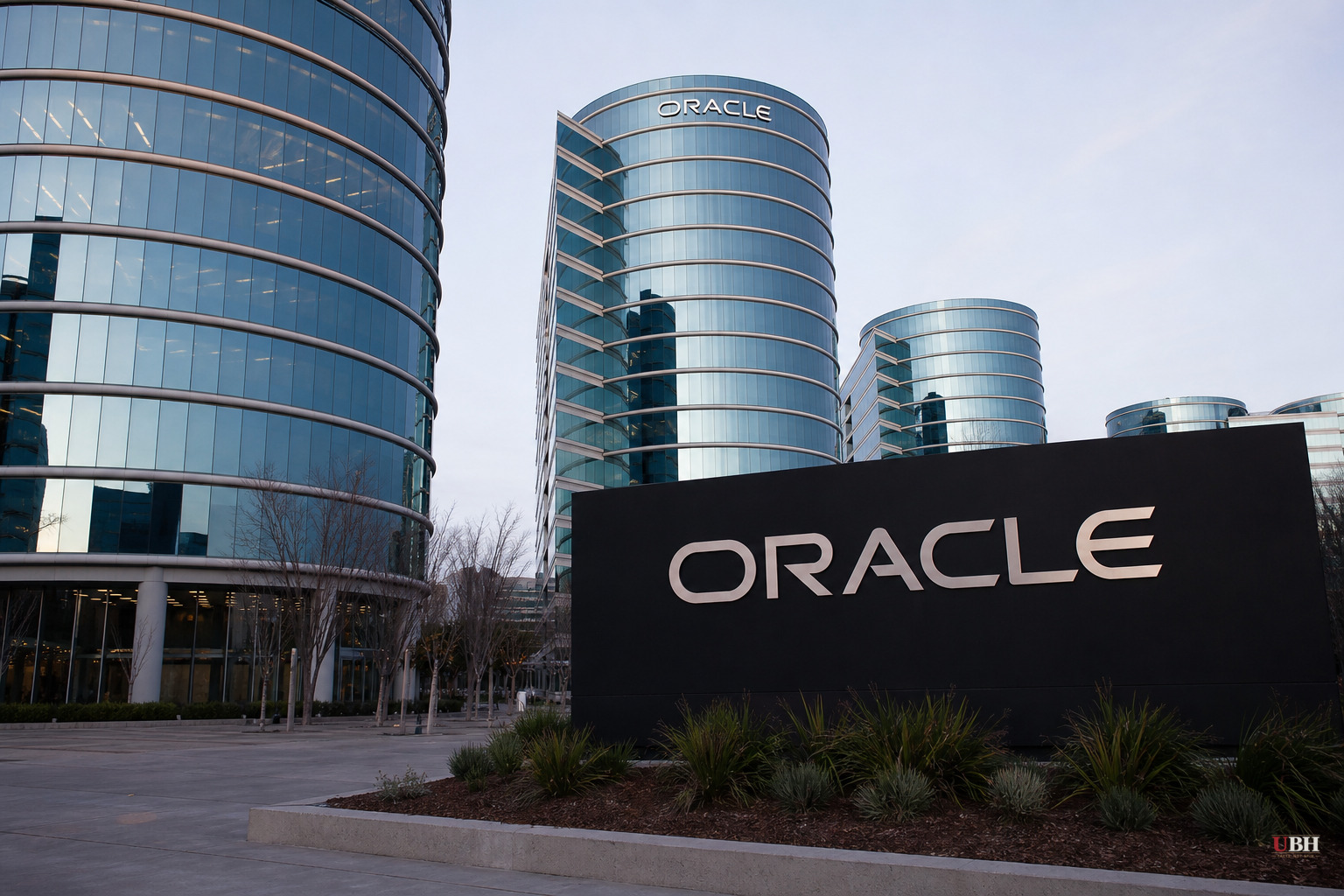
Wall Street is starting to charge more for the risk of lending to the companies building America's AI infrastructure.
Credit spreads, the extra yield investors demand to hold a company's bonds over a comparable Treasury, are widening for both hyperscalers and the smaller "neocloud" firms that lease out AI computing power, according to CNBC. Widening spreads mean bond investors see more default risk and want to be paid more to take it on.
Torsten Slok, chief economist at Apollo Global Management, told CNBC that credit default swaps on Oracle are trading at levels last seen in 2008, during the financial crisis. He said spreads for hyperscalers are also moving off their lows. "The trend is certainly not your friend," Slok said.
Oracle isn't Lehman Brothers, but CDS pricing is a market signal, not a vibe, and that signal is moving in the wrong direction.
The Debt Gap Between Neoclouds and Big Tech
The real stress sits with smaller companies known as neoclouds, firms that build and rent out data center capacity for AI workloads without the balance sheets of Google or Microsoft behind them.
According to FactSet data cited by CNBC, CoreWeave carries total debt of roughly 739 times its equity. Nebius has a debt-to-equity ratio of 131. Applied Digital sits at 172.
Compare that to the giants actually funding most of the AI boom. Alphabet's debt-to-equity ratio was about 18 as of the end of the June quarter. Amazon's was 51. Microsoft's was around 30 as of the March quarter, according to the same CNBC report.
Those numbers aren't close. A company with a debt-to-equity ratio in the hundreds has almost no equity cushion if revenue disappoints or refinancing costs jump. Alphabet, Amazon and Microsoft have actual cash flow and diversified businesses backing their debt. CoreWeave and its peers are leveraged bets on AI demand staying hot indefinitely.
Analysts Flagging Cash Flow Problems Already
Mizuho analyst Vijay Rakesh warned clients last week that neoclouds are already showing signs of strain. "We are also hearing some concerns on… neoclouds generating negative free cash flow, widening credit spreads and capital raise concerns," Rakesh wrote, according to CNBC.
Negative free cash flow plus widening spreads plus fresh capital raises is a concerning combination. It means a company is burning cash, borrowing gets pricier, and it still needs to go raise more money.
Why This Isn't Confined to Balance Sheets
CNBC notes that a lot of the financing propping up the AI buildout doesn't run through standard bond markets at all. Much of it flows through circular arrangements: cloud computing firms, AI software companies and chipmakers investing in each other, effectively financing their own customers and suppliers. That structure can mask how much real leverage is stacked up in the system, and it means a stumble at one node could ripple faster than a traditional debt market would suggest.
Meanwhile the spending isn't slowing down. Google raised its capital expenditure projections for both 2026 and 2027, per CNBC, meaning hyperscalers are doubling down even as the cost of debt creeps higher.
What Comes Next
UBS credit strategist Matthew Mish told clients in a June 24 note that credit spreads should stay roughly stable through the third quarter before widening in the fourth quarter and "decompressing" into 2027. He cautioned that "credit returns are unlikely to compensate investors for the risk backdrop" in the second half of this year.
Markets have been wrong about AI before, in both directions. Nobody quoted here is predicting a collapse of CoreWeave, Nebius or Oracle. What they're describing is a shift in how much it will cost these companies to keep borrowing money to build data centers, and a growing gap between the balance sheets that can absorb that cost and the ones that can't.
The open question is whether the biggest hyperscalers' cash-rich balance sheets can keep subsidizing the AI buildout through circular deals fast enough to bail out the more leveraged neoclouds if spreads keep widening into 2027, as UBS expects. Investors will find out largely through whether CoreWeave, Nebius and Applied Digital can refinance debt on reasonable terms the next time they come back to the market.
Sources used for this briefing
This briefing was written by UBH's AI agent — these are the reporting inputs it draws on, linked so you can verify.


