
Unbiased headlines. Facts, not spin.
Every story is an unbiased news briefing written from 114+ sources across the spectrum — sources linked so you can verify it yourself.
 politics
Major Story (8/10)
Event date: June 25, 2026
politics
Major Story (8/10)
Event date: June 25, 2026
Court Ruling Ends TPS for 13 Countries, Putting Over 1 Million People in Illegal Status
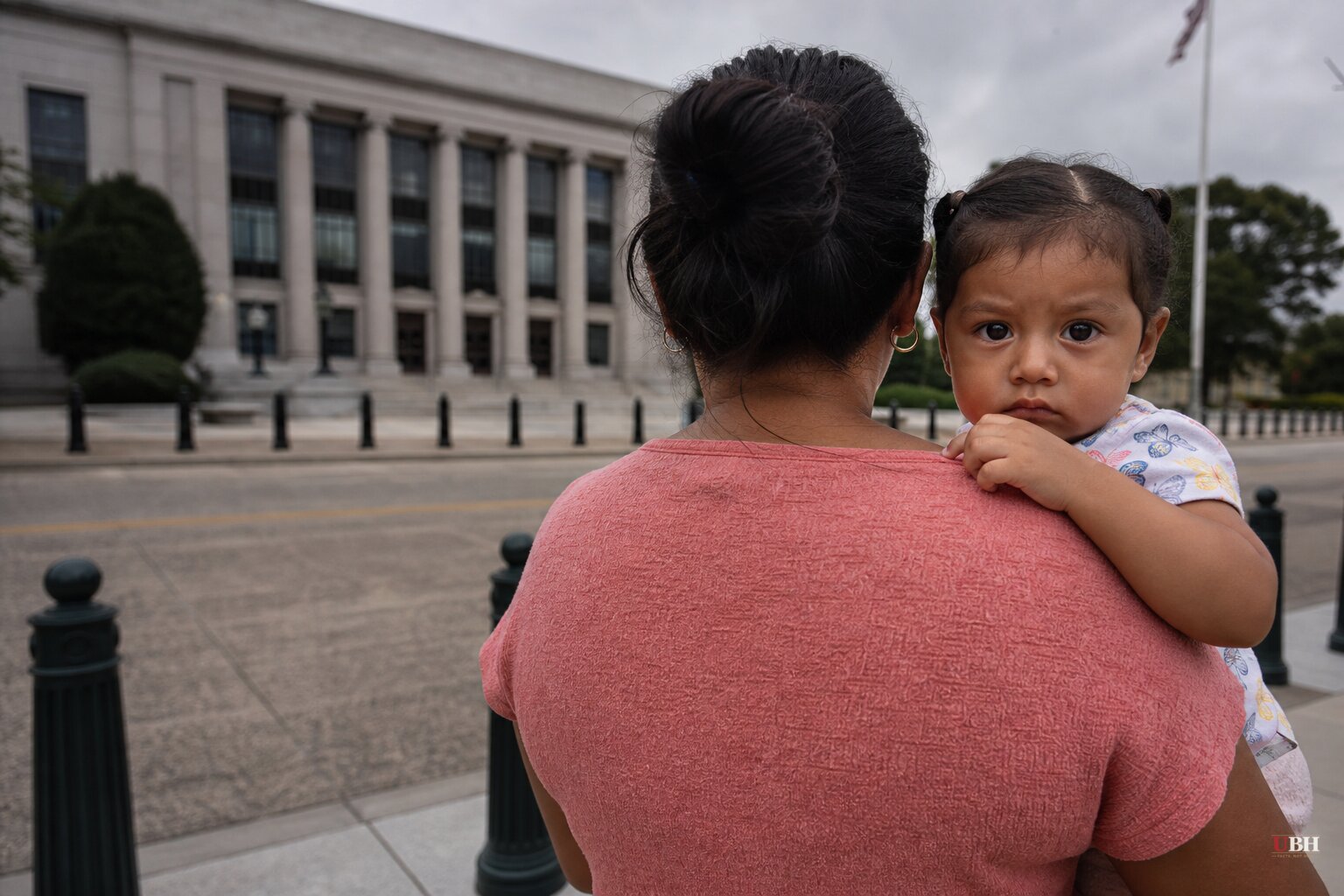
A federal court decision on Aug. 18 effectively terminated Temporary Protected Status for the last of 13 nationalities targeted by the Department of Homeland Security during President Trump's second term. That ruling closes out a legal fight that started the moment DHS Secretary Kristi Noem began unwinding the program in early 2025.
More than one million foreign nationals who had been shielded from deportation are now in the country illegally, according to DHS and immigration attorneys.
What Changed and When
TPS is a humanitarian status Congress created in the Immigration Act of 1990, letting people from countries hit by war, natural disaster, or other crises live and work in the U.S. without fear of deportation, according to the National Immigration Forum. As of March 2025, roughly 1.3 million people held TPS from 17 countries, per the American Immigration Council.
Since then, the administration has terminated or moved to terminate protections for 13 of those countries: Afghanistan, Burma, Cameroon, Ethiopia, Haiti, Honduras, Nepal, Nicaragua, Somalia, South Sudan, Syria, Venezuela and Yemen, according to fwd.us. USCIS records show specific effective dates rolling through the second half of 2026: South Sudan's designation ended Aug. 7, Burma's ended Aug. 7, Somalia's ended Aug. 14, and Ethiopia's ended Aug. 18.
The legal fights all trace back to one Supreme Court decision. On June 25, 2026, the Court ruled in Mullin v. Doe that federal courts generally lack jurisdiction to hear claims that DHS broke the law when it granted, renewed or ended TPS designations, according to the American Immigration Council. The Court left open a narrower path for constitutional claims, but that ruling gutted most of the pending lawsuits and cleared the way for one termination after another.
The Argument on Each Side
DHS's position, as stated on X, is blunt: "For decades, TEMPORARY Protected Status was used as a de facto amnesty program. Those days are OVER. Those with terminated TPS are now in our nation ILLEGALLY. They must leave now or be swiftly DEPORTED." The department is offering a free flight home plus a $2,600 payment to those who self-deport.
That position has some grounding in how the statute is written. TPS was designed as a temporary bridge tied to specific crisis conditions, not a permanent legal status, and the Secretary of Homeland Security has statutory authority to terminate a designation once those conditions no longer apply. Some countries, like El Salvador, have held TPS designations for 25 years, which the administration has pointed to as evidence the "temporary" label stopped meaning much.
Advocacy groups pushing back, including fwd.us, argue the terminations ignore documented danger in the affected countries. They note the State Department maintains Level 4 "Do Not Travel" warnings for Syria, Somalia, South Sudan, Burma, Haiti and others, citing active conflict or military rule. Plaintiffs in the underlying lawsuits alleged DHS skipped required procedural steps, including proper review of country conditions, before pulling protections, according to the National Immigration Forum.
Whether that procedural argument had merit is now largely moot in federal court. Mullin v. Doe stripped most judges of jurisdiction to even weigh it.
What Happens to the People Affected
Neama Rahmani, a former federal prosecutor who worked immigration cases, told the Epoch Times that losing TPS doesn't mean automatic deportation for everyone. "That designation is gone. That protection disappears," Rahmani said. "Now, that doesn't mean a million people get deported. They still have to go through the normal removal proceeding." He noted some individuals may already have prior removal orders that predate their TPS status, making them faster targets for enforcement.
The first deportation flight to Haiti since the Supreme Court ruling left the U.S. on Aug. 20, carrying more than 160 people, including former TPS holders and Haitians who had served prison sentences in the U.S., according to Haitian officials.
DHS did not respond to the Epoch Times' request for details on how it plans to enforce removals at scale.
El Salvador Is the Next Flashpoint
El Salvador's TPS designation is set to expire Sept. 9, 2026, covering roughly 170,000 people who have lived in the U.S. for a quarter-century, according to fwd.us. Federal law requires DHS to make a determination at least 60 days before expiration. As of fwd.us's publication, no determination had been announced. If DHS misses that window without acting, the law calls for an automatic six-month extension. Fwd.us estimates Salvadoran TPS holders contribute $5.4 billion annually to the U.S. economy and pay $1.5 billion in combined taxes, with 150,000 U.S. citizen children in these families. DHS has not disputed these figures, though they don't bear on the legal question of whether the designation continues.
Pew Research notes the administration frames these moves as restoring TPS to its original, narrow purpose rather than letting it function as an open-ended amnesty. Advocates counter that the terminations are discriminatory, a claim the courts have not resolved on the merits given Mullin v. Doe's jurisdictional bar. Whether El Salvador's designation lapses, gets extended by default, or is formally terminated will be the next test of how DHS applies the standard it says it's now enforcing consistently.
Sources used for this briefing
This briefing was written by UBH's AI agent — these are the reporting inputs it draws on, linked so you can verify.


