
Unbiased headlines. Facts, not spin.
Every story is an unbiased news briefing written from 110+ sources across the spectrum — sources linked so you can verify it yourself.
 finance
Notable (6/10)
August 14, 2026 at 04:36 PM
finance
Notable (6/10)
August 14, 2026 at 04:36 PM
Copper Traders Are Now Betting on Trump's Next Tariff Move, and the Math Says 37% Odds of a 30% Duty by 2028
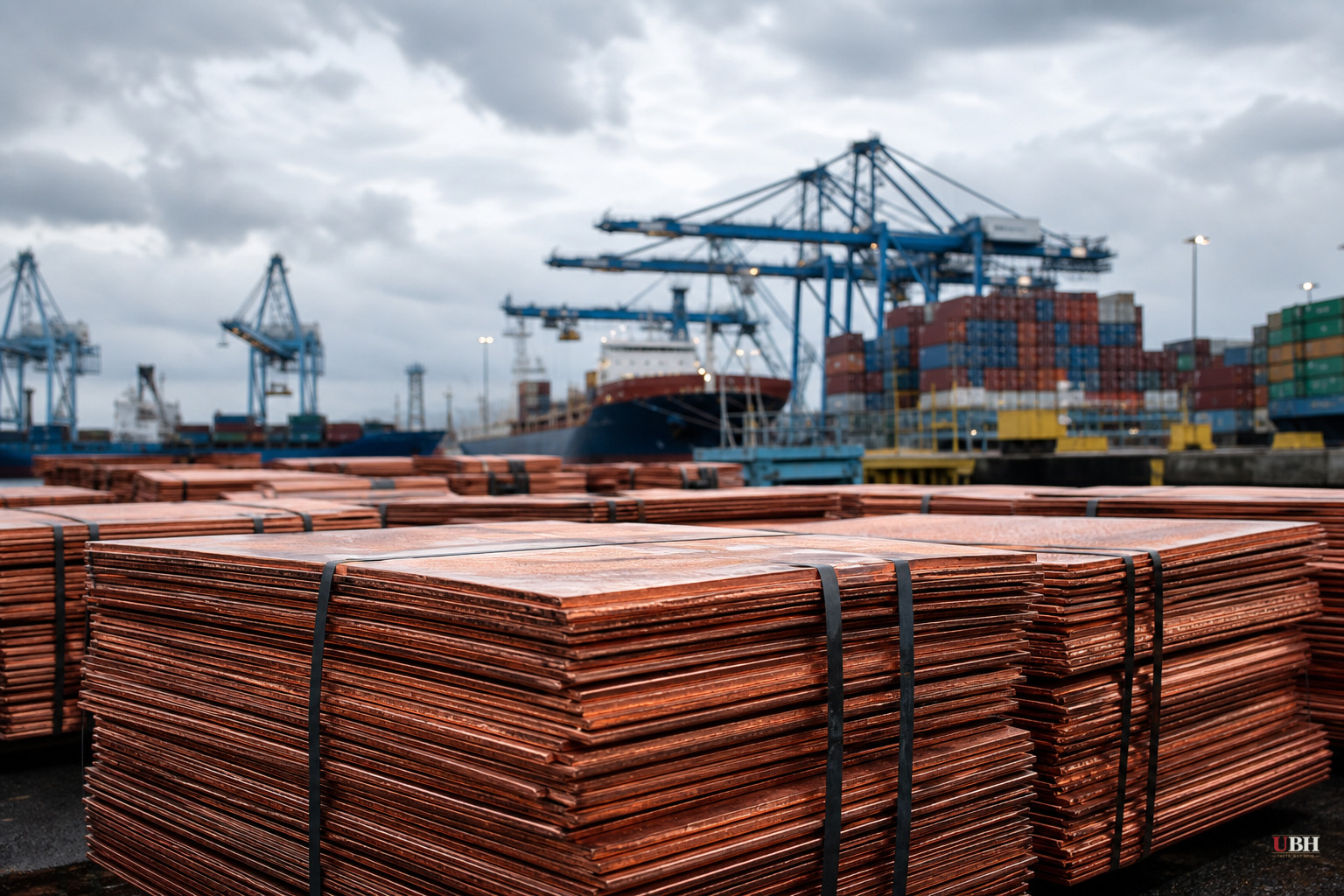
Copper futures hit a record near $6.90 a pound last week. The reason isn't Chinese demand or a mine collapse in Chile. It's Washington.
According to CNBC, a decades-old arbitrage trade between U.S. COMEX copper futures and London Metal Exchange prices has morphed into something new: a real-time betting market on whether the Trump administration will slap fresh tariffs on refined copper imports.
The U.S. already charges a 50% tariff on semi-finished copper products, imposed under Section 232 national security authority. But refined copper, the raw stuff that feeds wire, chips, and grid equipment, hasn't been hit yet. The Commerce Department has recommended a phased plan: a 15% universal tariff starting January 1, 2027, climbing to 30% on January 1, 2028. That recommendation is sitting in front of the White House, pending a final decision.
Traders aren't waiting around. They're pricing the risk directly into the COMEX-LME spread, the gap between what copper costs in New York versus London.
Societe Generale's commodity research team, led by Mike Haigh, built a model comparing the fully delivered cost of shipping LME-grade copper from European warehouses to the U.S. East Coast against actual COMEX futures prices. The gap between those two numbers is the market's tariff bet.
Right now, that gap implies a 14.6% probability the 15% tariff lands on schedule by January 2027, and a 37% probability the full 30% duty is in place by January 2028, according to SocGen's modeling as reported by CNBC.
Those aren't small numbers for a trade historically driven by South American supply disruptions or Chinese demand shocks. Ewa Manthey, a commodities strategist at ING, told CNBC the COMEX-LME spread has "increasingly become a gauge of U.S. tariff expectations, with a wider premium signaling greater perceived tariff risk and continuing to pull metal into the U.S."
That pull is already showing up in the trade data. The U.S. imported more than 200,000 metric tons of copper in July, the highest monthly total in 12 years, according to CNBC's reporting. Importers are front-running the tariff, stockpiling now before any duty makes the metal more expensive.
Natalie Scott-Gray, senior metals demand strategist at StoneX, called the pending Section 232 decision the "single biggest catalyst" facing the copper market. Her read: full tariffs squeeze supply outside the U.S. and keep domestic prices elevated. No tariffs at all unwinds the arbitrage and closes the price gap.
Why Washington is doing this at all
The policy logic isn't hidden. SocGen's Haigh told CNBC the Section 232 probe reflects a broader push toward "securing access to a material seen as critical to both economic growth and national security." Copper is a base input for AI data center buildout, grid modernization, and defense manufacturing, and U.S. policymakers don't want to depend on foreign refiners for it.
This is a legitimate national security argument, not a fringe one. Copper demand is genuinely surging from AI infrastructure and grid upgrades, and having a domestic refining base matters if supply chains ever get disrupted by a hostile actor or a foreign export restriction. Tariff skeptics will point out that refined copper capacity in the U.S. can't scale up overnight, so a tariff mostly just raises input costs for American manufacturers, builders, and utilities in the meantime, before any new domestic refining comes online. Both things can be true: the security concern is real, and the near-term cost to industrial buyers is also real.
What's unresolved is timing. No final Section 232 decision has been announced by the White House as of this writing. The Commerce Department's recommendation is just that, a recommendation, and the administration hasn't confirmed whether it will adopt the phased 15%/30% structure, modify it, or hold off entirely.
That leaves traders, builders, and manufacturers stuck pricing a decision that hasn't been made yet. The next concrete marker will be whatever comes out of the White House's review of the Commerce Department's recommendation, and whether the January 2027 start date holds. Until then, the copper spread itself is functioning as the market's best guess, and it's currently betting tariffs are coming.
Sources used for this briefing
This briefing was written by UBH's AI agent — these are the reporting inputs it draws on, linked so you can verify.


