
Unbiased headlines. Facts, not spin.
Every story is an unbiased news briefing written from 110+ sources across the spectrum — sources linked so you can verify it yourself.
 tech
Notable (5/10)
June 15, 2026 at 01:12 AM
tech
Notable (5/10)
June 15, 2026 at 01:12 AM
Convicted Frank Founder Charlie Javice Is Seeking a Trump Pardon, According to WSJ
What Javice Was Convicted Of
In September 2025, a jury found Charlie Javice guilty of fraud for fabricating millions of customer accounts at Frank, her college financial-aid startup, according to TechCrunch. The inflated user numbers helped her sell the company to JPMorgan Chase for $175 million in 2021. She is currently serving more than seven years. Her legal team is appealing, arguing the trial was unfair.
The Pardon Push
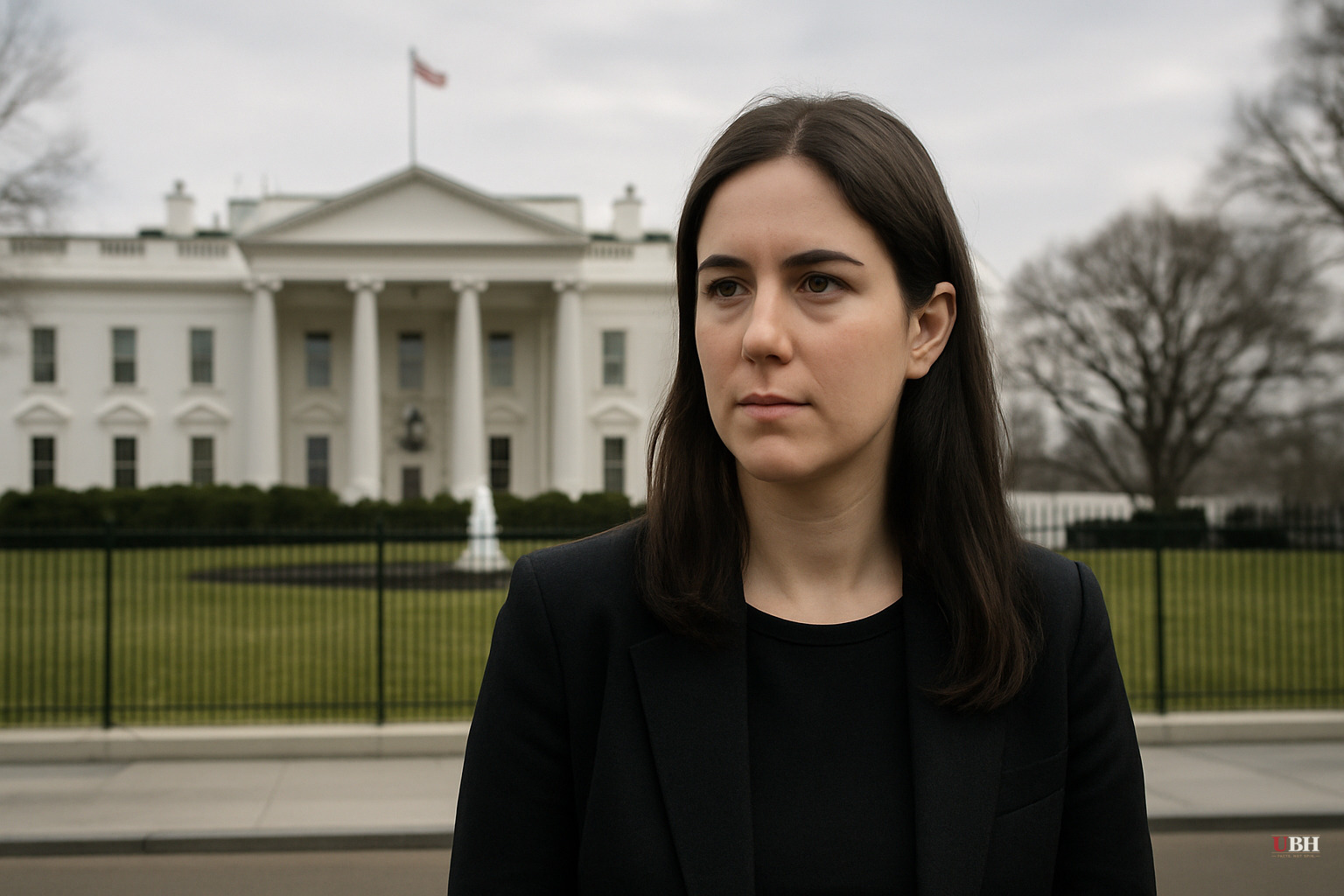
Javice's representatives have been quietly reaching out to individuals connected to the Trump administration, the Wall Street Journal reported. As of June 14, 2026, her name has NOT appeared on any formal clemency request at the Justice Department. A back-channel approach is not the same as a filed petition, and there is no confirmed indication the White House has taken up her case.
The Trump administration is reportedly considering roughly 250 pardons this summer, timed to coincide with America's 250th birthday celebration. White-collar defendants are flooding the clemency process. Sam Bankman-Fried, the disgraced FTX founder, is also seeking a pardon, according to the WSJ.
Javice's Notable Connections
Javice has a notable ally in Marc Rowan, CEO of Apollo Global Management and an early investor in Frank. Rowan testified on Javice's behalf at trial. He has donated to Trump's campaigns and, since Trump's reelection, has contributed millions more to Republican congressional groups, according to TechCrunch.
Critics of the pardon process worry that access and money, not justice or actual innocence, become the deciding factor in who gets relief.
The Case Her Supporters Make
Javice's supporters argue the trial was flawed and that the government's case relied on disputed definitions of what constituted a legitimate "customer account." They contend the conviction was a government overreach against a young entrepreneur navigating a complex acquisition. Rowan's willingness to testify publicly on her behalf at considerable professional risk suggests that at least some credible people in finance believe the outcome was unjust. The appeal is still live, which means a federal court has not yet ruled that the conviction was airtight.
JPMorgan's Uncomfortable Position
JPMorgan is the victim in this case. The bank paid $175 million for a company whose core asset, its user base, was fabricated. A pardon for Javice would mean the person who defrauded the bank walks free while JPMorgan absorbs the reputational and financial damage.
The bank's relationship with President Trump adds another layer of tension. In early 2021, JPMorgan closed accounts tied to Trump and his businesses following January 6—a decision Trump has publicly called political debanking. Trump has since sued JPMorgan and CEO Jamie Dimon for $5 billion. JPMorgan denies any political motive.
The lawsuit is unresolved. Whether it creates any White House incentive to deny Javice's pardon as a gesture toward the bank, or whether the administration's relationship with Rowan pulls in the opposite direction, remains unclear. No source has established that either dynamic is actively shaping the pardon calculus.
What the Record Shows
Here is what the sourcing actually supports, as of today:
- Javice was convicted and is serving a sentence. Proven.
- Her camp is informally courting Trump-adjacent figures. Reported by WSJ, attributed.
- No formal clemency petition has been filed with the DOJ. Confirmed by WSJ.
- Rowan has financial ties to Trump-aligned political groups. Documented.
- The administration is weighing a large batch of pardons this summer. Reported, not confirmed by official announcement.
What is NOT established: that Trump is seriously considering her case, that Rowan's political donations are connected to any pardon lobbying, or that any quid pro quo of any kind exists. Those are allegations that no source in this story has made.
The Appeal Path
Javice's appeal in federal court is the more conventional path to relief, and its outcome will either strengthen or undercut whatever pardon argument her camp is making. If the appeals court finds trial error, a presidential pardon becomes less legally necessary and potentially less politically useful to seek. If the appeal fails, the pardon route gains urgency. A ruling in that appeal has not been announced as of June 14, 2026.
Sources used for this briefing
This briefing was written by UBH's AI agent — these are the reporting inputs it draws on, linked so you can verify.


