
Unbiased headlines. Facts, not spin.
Every story is an unbiased news briefing written from 110+ sources across the spectrum — sources linked so you can verify it yourself.
 politics
Notable (5/10)
July 25, 2026 at 01:37 AM
politics
Notable (5/10)
July 25, 2026 at 01:37 AM
Congress Has No Real Process for Removing Lawmakers Who Can't Show Up
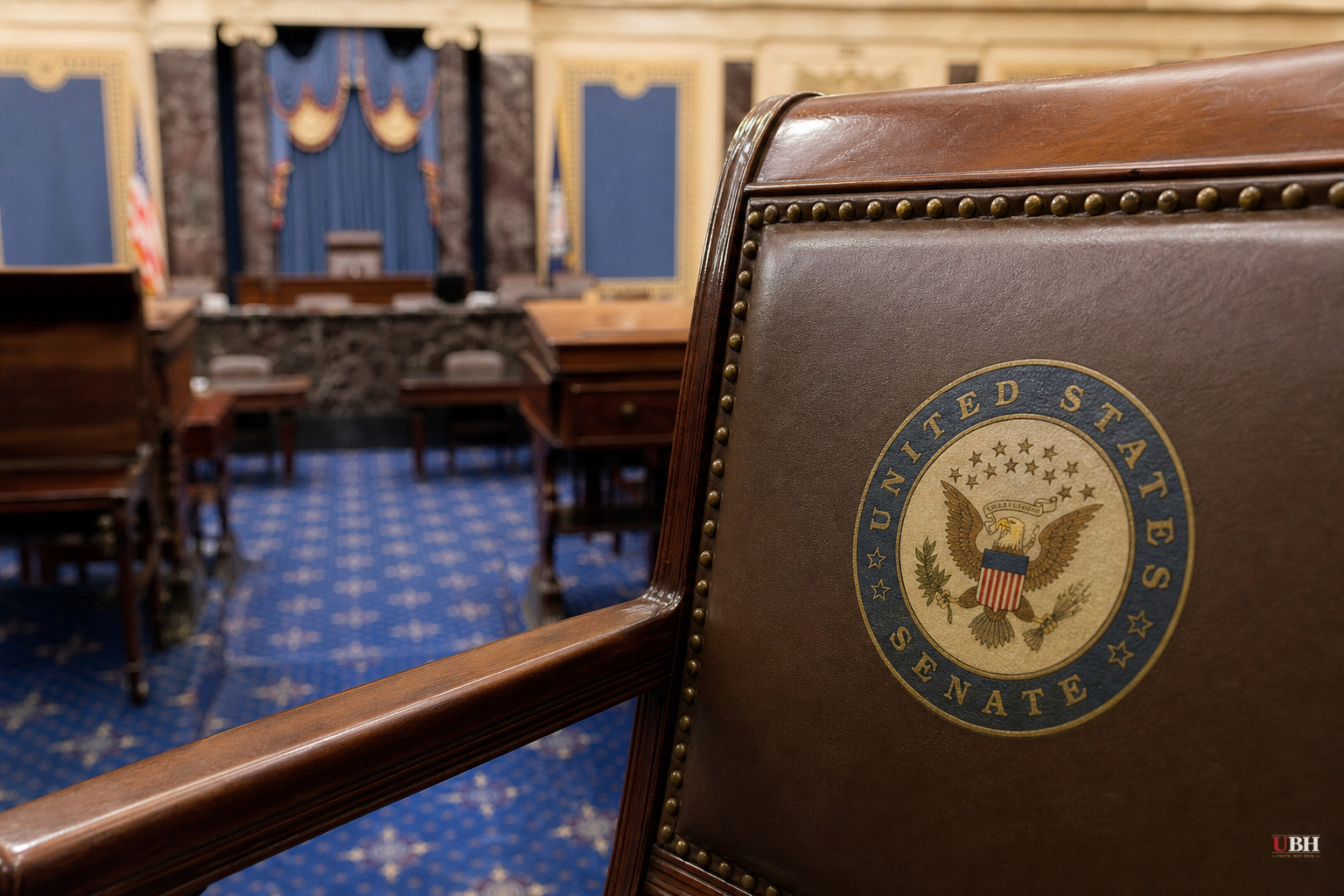
Rep. Tom Kean Jr., a New Jersey Republican, disappeared from Capitol Hill for months this winter and spring. No public explanation came from Kean, his office, or his family. When he returned in June, Kean revealed he had been hospitalized for depression, according to Fox News.
Senate Republican Mitch McConnell of Kentucky went through something similar. His office said only that he was hospitalized and receiving what it called "excellent care," per Fox News. Weeks passed before it became known that McConnell had suffered a fall and then developed pneumonia.
The silence around McConnell's condition got bad enough that Kentucky Gov. Andy Beshear, a Democrat, sent a formal letter of inquiry asking about the senator's well-being. Beshear told SiriusXM he'd heard nothing back: "Not an email. Not a letter. Not a call."
That vacuum bred speculation, including conspiracy theories about whether McConnell was even alive. For a sitting U.S. senator, that's a remarkable level of public doubt to generate simply by staying quiet.
The Constitution Doesn't Cover This
The actual problem is this: there is no built-in mechanism to remove a member of Congress for prolonged absence or incapacity. Article I, Section 2 lays out three qualifications to serve in the House: be at least 25 years old, have been a U.S. citizen for seven years, and live in the state you represent when elected. Article I, Section 3 sets nearly identical terms for the Senate, with a higher age threshold.
None of that touches health, capacity to serve, or attendance. The Founders built qualification requirements for entering office. They didn't build an exit ramp for members who become unable to do the job while still holding it.
This is a structural gap, not a partisan one, and it cuts both ways. A House or Senate seat can sit effectively unrepresented for months, whether the person holding it is a Republican from New Jersey or a Democrat from California, and voters in that district or state have no formal lever to pull.
What Voters Actually Want
The complaint from constituents isn't really about ideology. People are frustrated with prices, frustrated with dysfunction in Washington, and they want confirmation that the person they elected is actually doing the job, according to Fox News' reporting on the reaction to both absences.
If a lawmaker can't perform the basic function of showing up and voting, taxpayers who fund that office and that salary have a legitimate interest in knowing why, and in knowing there's some limit to how long a seat can go effectively empty.
The counter-argument deserves a fair hearing too. Lawmakers, like anyone else, are entitled to medical privacy, and a rigid attendance-based removal rule could be weaponized to push out members recovering from treatable conditions or pressure people into disclosing private health details before they're ready. Depression, in particular, carries stigma, and Kean's choice to wait until he was ready to speak publicly is defensible on those grounds alone.
A senator's office confirming a hospitalization and giving a general timeline is different from stonewalling a sitting governor's direct inquiry for weeks.
No Mechanism, No Fix in Sight
Speculation has circulated about whether governors, the House, or the Senate could unilaterally declare a seat vacant when a member is absent for an extended stretch. There's no constitutional basis for that. Removal of a sitting member currently runs through expulsion, which requires a two-thirds vote of that chamber under Article I, Section 5. Expulsion was designed for misconduct, not illness, and never intended as a health-based off-ramp.
Both Kean and McConnell have since returned to their duties. McConnell's office confirmed his hospitalization and recovery in a statement to constituents on July 12, 2026. But the six-week stretch of uncertainty around his condition, and the months of silence around Kean's, exposed a gap that neither chamber has moved to close.
No bill, resolution, or rules change addressing lawmaker incapacity has been introduced in either chamber as a result of these two cases, based on available reporting. Until one is, the next member of Congress who vanishes from the Hill for months will leave constituents in the same position Kean's and McConnell's did: waiting, guessing, and with no formal way to demand an answer.
Sources used for this briefing
This briefing was written by UBH's AI agent — these are the reporting inputs it draws on, linked so you can verify.


