
Unbiased headlines. Facts, not spin.
Every story is an unbiased news briefing written from 110+ sources across the spectrum — sources linked so you can verify it yourself.
 health
Major Story (7/10)
July 20, 2026 at 11:18 AM
health
Major Story (7/10)
July 20, 2026 at 11:18 AM
Congo Ebola Deaths Hit 930 as 80% of New Cases Trace to Unknown Sources
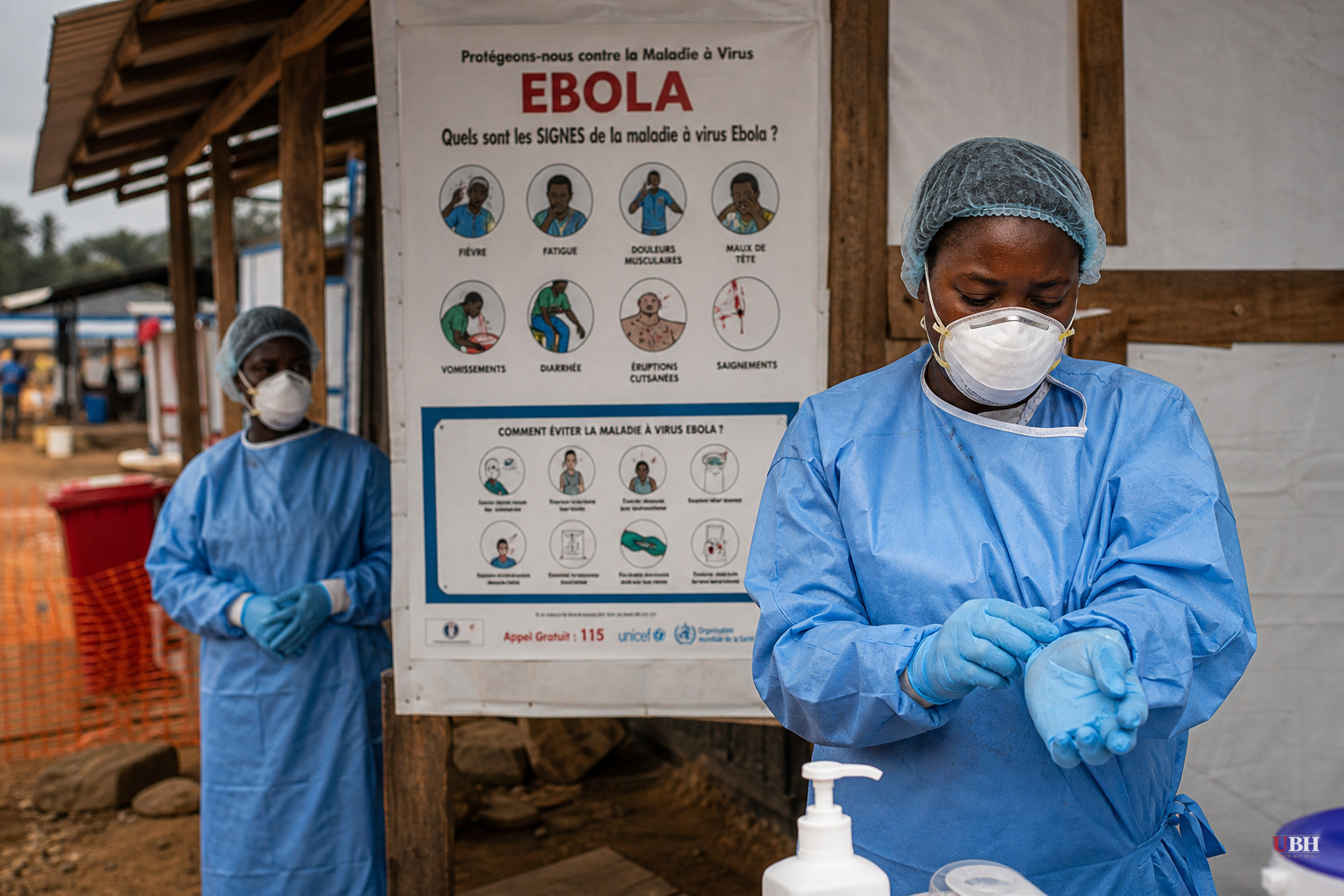
Since the outbreak was declared in eastern Congo on May 15, the death toll has climbed to at least 930, Congo's Ministry of Health said Monday. That's out of 2,344 confirmed cases as of Saturday, July 18.
Thirty-seven deaths were recorded in the 24 hours from Friday into Saturday alone, one of the highest single-day totals of the entire outbreak, according to the health ministry and reported by the Associated Press.
This is the fastest-growing Ebola outbreak on record. The strain driving it, Bundibugyo virus, is a rarer cousin of the more familiar Ebola virus species. There is no approved vaccine or treatment for it.
Where things stand now
Five provinces in eastern Congo are now affected, all in a region already destabilized by rebel violence. Ituri province has been hit hardest, and it's also where the response has been most restricted by safety fears, according to the health ministry.
At least 12 attacks on health facilities and response teams have been recorded since mid-May, authorities said Saturday. Most of those attacks stem from local skepticism and rumors about the disease and the response effort, not organized rebel activity, per the ministry's own account.
On top of that, health workers in some areas have walked off the job to protest not getting paid. At least 36 health workers who caught the virus while treating patients have died.
724 patients are currently in isolation or hospitalized, the ministry said. On the positive side, 22 new recoveries were logged in the same 24-hour window that produced the 37 deaths, proof that treatment centers which are functioning are keeping some patients alive. The ministry said it is intensifying response efforts in affected health zones.
The number that should worry everyone
The World Health Organization said last week that 80% of new cases are emerging from unknown chains of transmission. That means for most new infections, nobody can trace who gave it to whom.
Contact tracing is the backbone of stopping any Ebola outbreak. You find the sick person, you find everyone they touched, you isolate and monitor them. When 8 out of 10 new cases can't be traced back to a known source, it means the virus is moving through communities faster than health teams can map it, even as the World Health Organization and Congo's ministry expand the response.
Why the response keeps stalling
The rumors and attacks on health workers aren't irrational in a vacuum. Eastern Congo has endured decades of armed conflict and, in past outbreaks, distrust of outside health interventions. A community that hasn't been paid or protected by its own government is going to be suspicious of teams showing up telling them how to handle the sick and the dead.
It doesn't excuse attacking a treatment center or a vaccination team, and it doesn't change the fact that unpaid health workers walking off the job makes an already difficult fight harder. But it explains why safety fears, not just virus biology, are driving the restricted response in Ituri.
What the numbers show
Coverage from NPR, the New York Post, and the Associated Press this week is consistent on the core numbers: 930 dead, 2,344 confirmed cases, 37 deaths in the worst 24-hour stretch, 12 attacks on health workers, and 36 health worker deaths. None of the major outlets are in conflict on the facts.
Congo's Health Ministry has not said whether the current toll reflects the outbreak accelerating or health workers finally reaching areas that had gone unreported due to the security restrictions in Ituri. No vaccine trial results or new treatment approvals have been announced since the outbreak began.
Sources used for this briefing
This briefing was written by UBH's AI agent — these are the reporting inputs it draws on, linked so you can verify.


