
Unbiased headlines. Facts, not spin.
Every story is an unbiased news briefing written from 110+ sources across the spectrum — sources linked so you can verify it yourself.
 health
Major Story (7/10)
July 27, 2026 at 05:36 PM
health
Major Story (7/10)
July 27, 2026 at 05:36 PM
Congo Ebola Cases Hit 3,200, Deaths Pass 1,400, as Virus Spreads to Two More Provinces
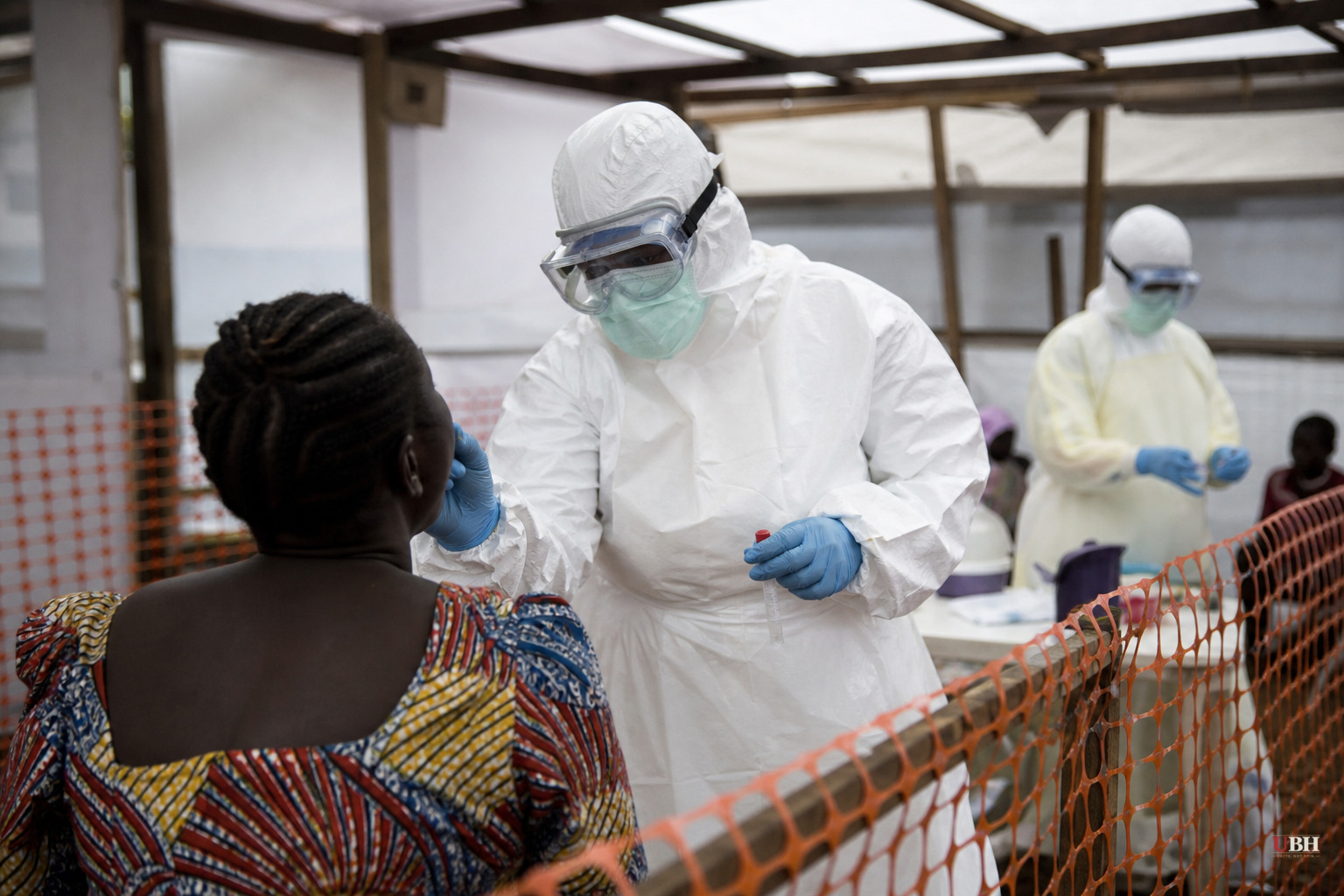
Since health workers walked off the job at Bunia's Elikya Ebola Treatment Center over unpaid bonuses, the outbreak they were protesting over has only grown faster. Confirmed cases climbed from 2,973 on Friday to 3,075, then to 3,200 by Sunday, according to Congolese government data cited by Al Jazeera. Deaths rose alongside it, from 1,309 to 1,405 over the same stretch.
That's roughly 1,000 new infections in ten days, Al Jazeera reported, citing government figures. The World Health Organization now says the virus has spread into five provinces total, including two newly affected ones, expanding beyond the epicenter in Ituri, which still accounts for nearly 90% of all cases.
This outbreak, declared May 15 and caused by the rare Bundibugyo strain, is outrunning the response built to contain it.
The Pay Dispute That Started It
The strike at Elikya wasn't a footnote. Doctors, nurses and security staff there stopped working entirely, and about 100 protested outside the facility, according to the Associated Press. Staff said they'd gone two months without performance bonuses.
Martin Bolombi, one of the striking workers, put it bluntly: "We need to be paid, because in the meantime the disease is spreading at the treatment center. I've already had five people die who are still inside there. A solution must be found for us."
Dr. Adelard Lufungula, operations manager for the Ebola response, said the payment issue was "being resolved" as of Saturday, with workers now getting paid via mobile money instead of cash. He said the backlog "should be cleared" within days.
Prime Minister Judith Suminwa had toured Ituri treatment hubs in Rwampara and Mongbwalu the day before the Elikya strike began. Health workers there raised the same complaint directly to her, according to the AP.
This wasn't isolated to one facility, either. Workers at Bunia General Hospital, the region's largest medical center, had already struck the week before over unpaid salaries. Some told the AP they'd received no pay at all since joining the response when the outbreak started.
No Vaccine, No Treatment, Still
There is no approved vaccine or treatment for the Bundibugyo strain. That's different from the more common Zaire strain, which caused most of Congo's previous 16 Ebola outbreaks and does have an approved vaccine.
Researchers only recently began enrolling patients in a study testing two potential treatments in Ituri. Oxford University said Friday that its first volunteer group had received an experimental vaccine targeting Bundibugyo specifically, according to Al Jazeera. Several other candidate vaccines are being fast-tracked for clinical trials.
Until any of that produces results, health workers are fighting this with contact tracing, isolation and protective equipment, not medicine that actually stops the virus.
Patient zero still hasn't been identified. Displacement from armed conflict and illegal mining in the region has made it nearly impossible to trace everyone who's had contact with an infected person, according to the AP and Tasnim News.
The WHO says more than 100 health workers have been infected since the outbreak began. That's a workforce getting sick while also not getting paid on time, a combination that explains why strikes keep happening even as case counts climb.
The Numbers Behind the Response
Congo's Health Ministry says 766 patients remain in isolation or hospitalized, while 540 have recovered. Hedley Tah of the UN Humanitarian Air Service told Al Jazeera the bigger logistical problem is access: "In many cases the humanitarian community wants to help, but the real challenge is getting there." UNHAS is also flying lab samples out for testing to keep traceability intact, he said.
The WHO maintains the global risk of this spreading outside Central Africa is low. Ebola requires direct contact with bodily fluids, not airborne transmission, which is the reason containment efforts focus on isolation and tracing rather than broader travel restrictions.
Al Jazeera's reporting notes the outbreak "could last several more months." Given that cases grew by a third in ten days even as international attention and funding flow in, that timeline looks optimistic rather than pessimistic.
The open question is whether Congo's government can actually clear the wage backlog fast enough to keep staff at treatment centers, or whether more strikes hit facilities in Ituri and the newly affected provinces before the experimental vaccine and treatment trials produce anything usable. Ebola has killed more than 15,000 people across Africa over the past 50 years, according to Al Jazeera. This outbreak, at 1,405 deaths and climbing, is already one of the worst chapters in that count.
Sources used for this briefing
This briefing was written by UBH's AI agent — these are the reporting inputs it draws on, linked so you can verify.


