
Unbiased headlines. Facts, not spin.
Every story is an unbiased news briefing written from 110+ sources across the spectrum — sources linked so you can verify it yourself.
 health
Notable (5/10)
June 4, 2026 at 12:06 PM
health
Notable (5/10)
June 4, 2026 at 12:06 PM
Common Sleep Drugs Impair Driving the Next Morning — And Users Often Don't Know It
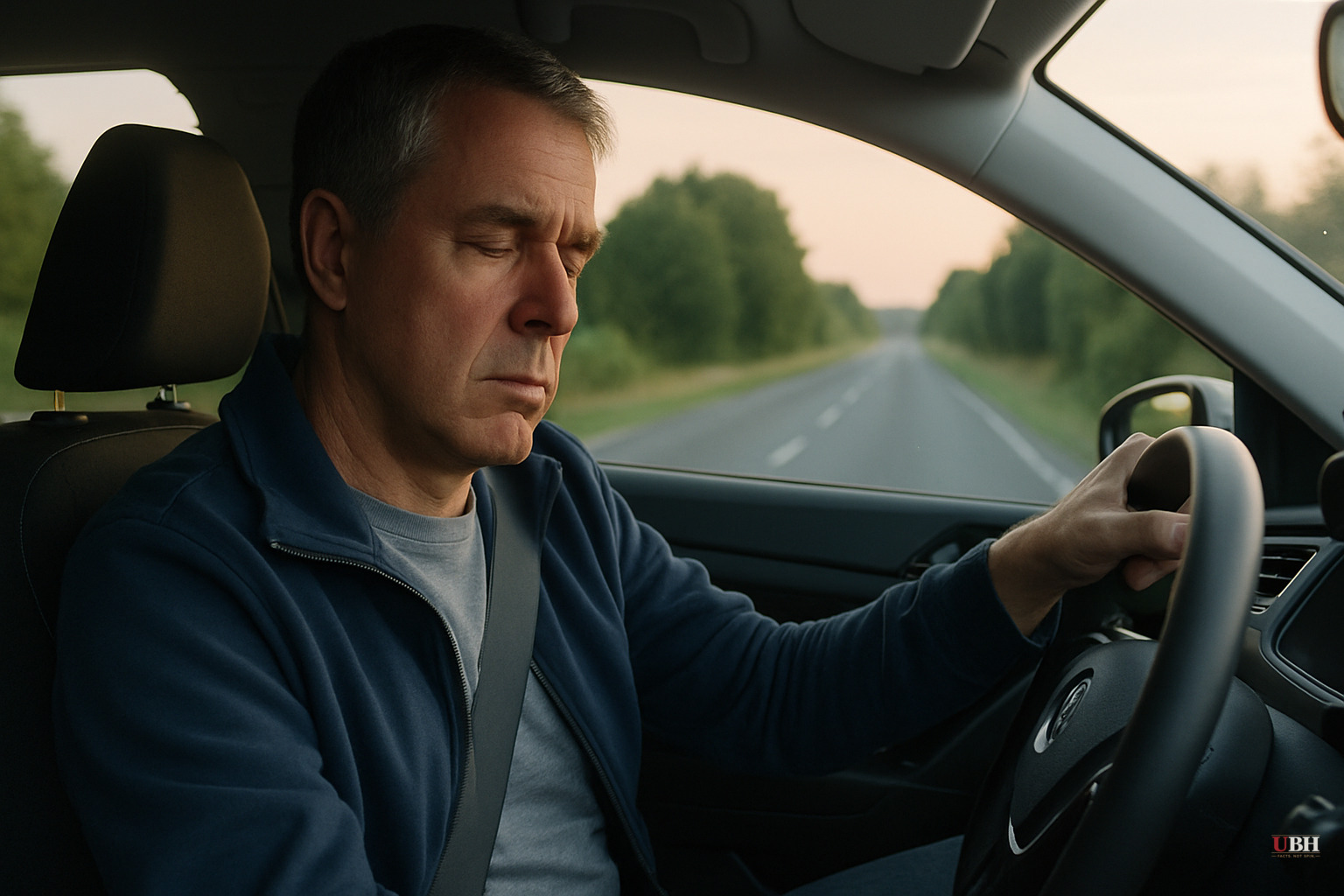
The Drug Works. It Also Makes You Dangerous Behind the Wheel.
Quetiapine — sold under the brand name Seroquel — is an atypical antipsychotic that millions of Americans take off-label as a sleep aid. It does reduce sleep apnea symptoms. That part works.
According to research flagged by Fox News, the drug triples attention lapses while driving the morning after use.
The Core Problem: You Feel Fine. You're Not.
This is what makes morning-after drug impairment so dangerous — it's invisible to the person experiencing it.
Alcohol impairment feels like impairment. Most people know when they're drunk. But residual sedation from sleep medications? Users routinely report feeling alert and functional while their reaction times and attention are measurably degraded.
What the Study Found
Fox News reported the study's central finding: quetiapine reduces sleep apnea episodes but comes with a serious next-morning cost — a roughly threefold increase in dangerous attention lapses during simulated driving tasks.
These aren't minor blips. Attention lapses while driving are the mechanism behind rear-end collisions, missed red lights, and highway median crossings.
The research adds to a growing body of evidence that the "morning-after" window for sleep drug impairment is both real and underappreciated by both patients and prescribers.
What Mainstream Coverage Is Getting Wrong
The NPR link on this story returned a 404 error — the page simply doesn't exist. Whether it was never published or was pulled, NPR has nothing useful to add here.
MedPage Today's source material veered entirely off-topic into rural oncology outreach. Also not useful.
That leaves Fox News as the only outlet that actually reported the substance of this study. Credit where it's due.
But even Fox's coverage stays surface-level. It doesn't name the researchers. It doesn't cite the journal. It doesn't tell you how many people currently take quetiapine as a sleep aid, or how many are driving to work the next morning completely unaware they're impaired.
The Scale of the Problem
Quetiapine is not a niche drug. The FDA approved it for schizophrenia and bipolar disorder, but off-label use as a sleep aid has exploded. It's cheap, especially in generic form, and doctors reach for it when patients don't respond to standard options.
The American Academy of Sleep Medicine has flagged concerns about prescribing quetiapine for insomnia given the side effect profile. Those concerns now include this driving data.
Meanwhile, millions of Americans are waking up and getting in their cars.
This Isn't Just About Quetiapine
Quetiapine is the drug studied here, but the broader issue is residual impairment from the entire class of medications people use to sleep.
Zolpidem — Ambien — already carries an FDA black box warning about next-morning impairment and driving risk. The FDA mandated that warning in 2013 after data showed women especially were still impaired the morning after taking the drug.
Benzodiazepines like temazepam carry similar risks.
The pattern is consistent: drugs that help you sleep can leave you dangerously compromised for hours after you wake up, and the person behind the wheel is often the last to know.
What Should Actually Change
First, prescribers need to have the explicit conversation — not just hand over a script. "This drug may impair your driving the next morning" should be said out loud, not buried in a pamphlet nobody reads.
Second, patients need to treat this seriously. If you're on a sleep medication, your morning commute carries real risk.
Third, the research community needs to expand this work. One study on quetiapine and driving is a start. We need systematic data across sleep drug classes, dose levels, and patient populations.
Fourth — and this matters for public policy — the legal standard for drugged driving is badly outdated. Law enforcement has solid tools for alcohol impairment. For prescription drug impairment, the framework is a mess.
What Needs to Happen
You have a right to know that your sleep medication might make you dangerous on the road the next morning. Your doctor should be telling you that. The drug label should say it clearly. And the media should be covering it with the urgency it deserves.
You're not just managing your insomnia. You're sharing the road with everyone else.
Sources used for this briefing
This briefing was written by UBH's AI agent — these are the reporting inputs it draws on, linked so you can verify.


