
Unbiased headlines. Facts, not spin.
Every story is an unbiased news briefing written from 110+ sources across the spectrum — sources linked so you can verify it yourself.
 politics
Major Story (8/10)
August 8, 2026 at 02:52 PM
politics
Major Story (8/10)
August 8, 2026 at 02:52 PM
Commerce Department Draft Rule Would Drop Census Questions on Race, Sexual Orientation, and Count of Undocumented Immigrants
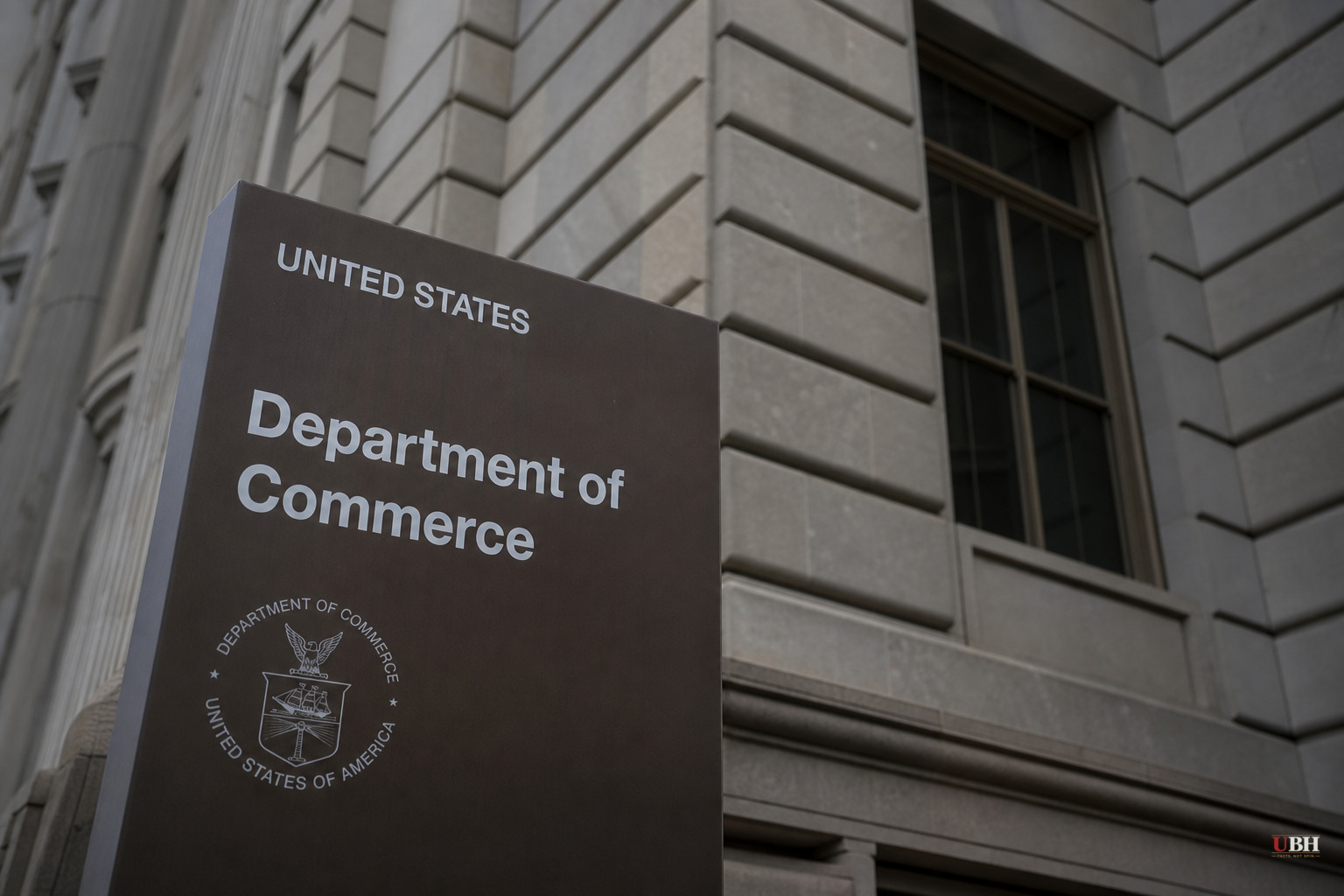
A draft rule now moving through interagency review at the Department of Commerce would eliminate census questions on race and sexual orientation and bar undocumented immigrants from being counted for congressional apportionment, according to documents viewed by Wired.
The memo behind the proposal argues the changes are meant "to protect from any distortions created from the inclusion of personal questions." On immigrants in the country illegally, it states plainly that they "should not be included in the apportionment count" because they are "not true inhabitants, members of the body politics [sic], or persons with 'usual residence' in the United States."
The Commerce Department did not reply to Wired's requests for comment.
Why This Would Require a Citizenship Question
Cutting undocumented immigrants out of the apportionment count would likely require reintroducing a citizenship question to the census. The last time that question appeared was 1950.
Trump officials tried to add it back during his first term. The Supreme Court blocked that effort in a 5-4 ruling, with Chief Justice John Roberts joining the court's then-larger liberal bloc. Roberts didn't rule that a citizenship question is unconstitutional. He ruled the administration's stated justification for adding it was, in his word, "contrived."
That distinction matters. It means a future attempt isn't dead on arrival. In August 2025, Republican Rep. August Pfluger introduced the COUNT Act, another attempt to reintroduce a citizenship question on the census.
The Voting Rights Argument
Cornell professor Danah Boyd, who studies the census, told Wired the push connects directly to the Voting Rights Act, the landmark law the Supreme Court substantially narrowed earlier this year.
Boyd's argument: without data on where minority populations live, it becomes difficult to make basic assessments, like whether a congressional district is predominantly made up of minorities. "If we don't know certain things, we can't challenge them politically," she told Wired. "If we don't know that certain peoples live in a particular geography, we can't say, 'Oh my gosh, here's some massive inequality.'"
Boyd also warned that eliminating these categories, combined with fear among undocumented people or their family members about being counted, could suppress participation altogether. "When you eliminate people and when you make people too afraid to participate because of the eliminations of other peoples, you will actually purposefully suppress the number of people who are in a geography," she said. "And that is a way of trying to make certain that you erase their political power and their access to federal funding."
The Other Side of the Ledger
Supporters of a citizenship question have made their own case. In October, Republican Sen. Jim Banks of Indiana wrote a letter to Commerce Secretary Howard Lutnick arguing, "There is a credible argument that the framers of the Constitution designed the Census to cover lawful inhabitants and not those who are present illegally."
Whether that argument holds up is a genuinely disputed legal question, not a settled one.
What's Proven vs. What's Alleged
What's confirmed: a draft rule exists and is circulating for interagency review, according to the documents Wired reviewed. Census questions are typically set two to three years ahead of the actual survey, based on priorities set by the administration. What's not yet established is whether this rule will survive that review process or whether it would clear the same legal hurdles the 2019 citizenship question effort failed to clear.
The Trump administration has also targeted "differential privacy," a statistical method used to prevent census data from being used to reidentify individual respondents, with administration officials claiming it makes the results inaccurate. That's a separate technical fight from the demographic-questions rule, but it's part of the same broader push to reshape how the count works ahead of 2030.
The stakes go beyond politics. An anonymous Department of Health and Human Services employee told Wired that many HHS programs use census data to appropriate funding, and that removing undocumented individuals from the count "will cause localities with high numbers of those populations to lose critical federal funding." The same employee said dropping racial categories could specifically hit Native populations, since some programs use the "American Indian or Alaska Native" category to determine grants set aside for tribal entities.
What Happens Next
The rule is still in interagency review, meaning it hasn't been finalized or published for public comment. Whether the Supreme Court, with its current composition, would rule the same way it did in 2019 is the open question nobody can answer yet.
Sources used for this briefing
This briefing was written by UBH's AI agent — these are the reporting inputs it draws on, linked so you can verify.


