
Unbiased headlines. Facts, not spin.
Unbiased Headlines is an independently owned news organization. We bring you the facts, not opinions, written fresh from 110+ named sources. Sources linked so you can verify it yourself.
 politics
Notable (6/10)
politics
Notable (6/10)
Colombia Swears In Conservative President Under 11,000 Troops in Cali, Not Bogota
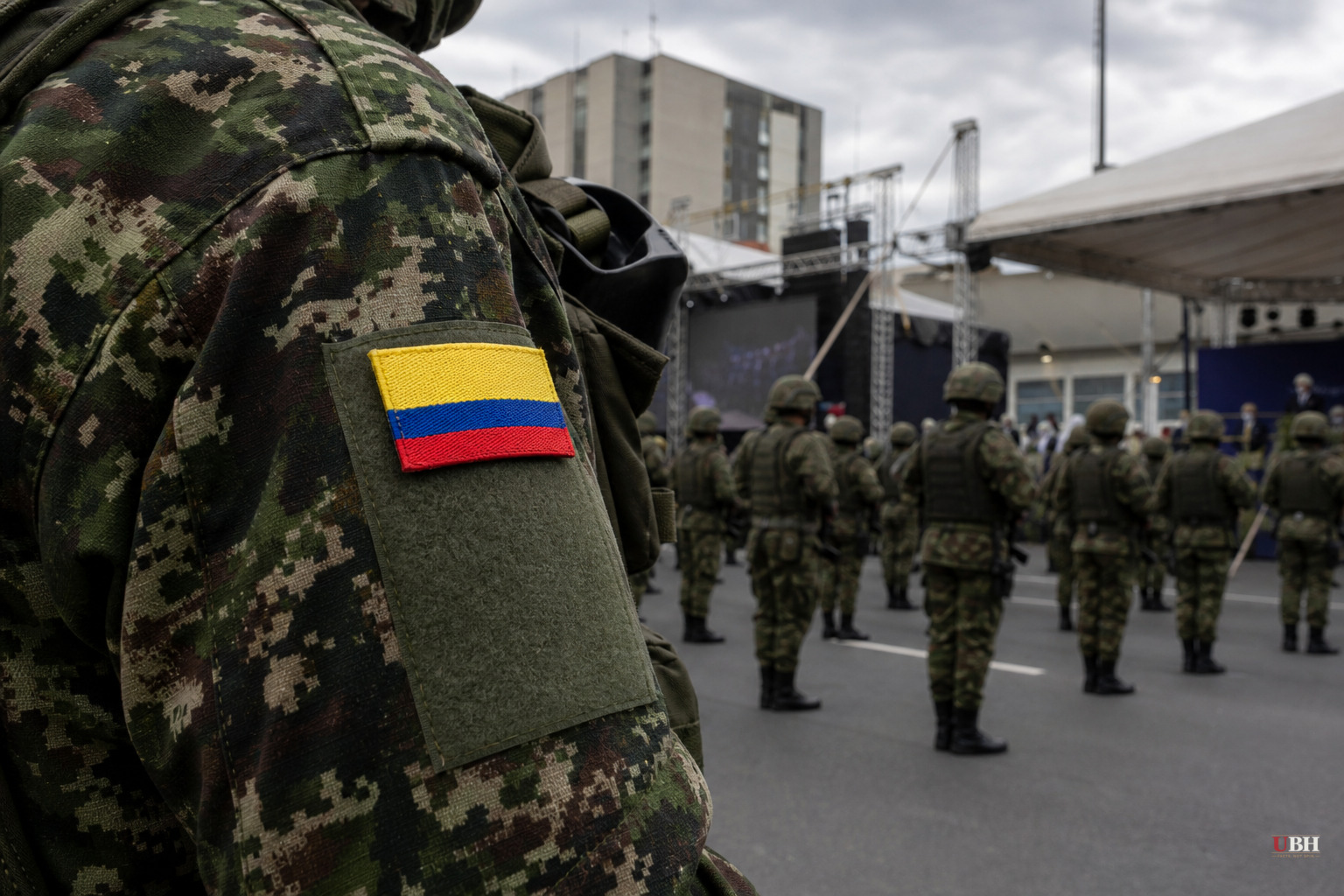
Abelardo de la Espriella was sworn in as Colombia's president Friday in Cali, not Bogota. The choice signals how this administration plans to operate.
Breaking with tradition to hold an inauguration in a city torn apart by drug violence and rebel attacks is deliberate. According to the Associated Press via The Washington Post, the choice was "meant to signal his hard-line approach to illegal armed groups." De la Espriella wants Colombians to watch him take the oath of office in the exact kind of place his predecessor's strategy failed to fix.
Colombia deployed roughly 11,000 troops into Cali for the ceremony, according to NPR. Drones got banned outright. Private vehicles were locked out of city roads for the day. About a dozen heads of state showed up anyway, including Argentina's Javier Milei, Ecuador's Daniel Noboa, Chile's Jose Antonio Kast, Spain's King Felipe VI, FIFA President Gianni Infantino, and U.S. Deputy Attorney General Todd Blanche.
This is not a country at peace, and the new president isn't pretending otherwise.
A Hard Break From Petro
De la Espriella, 48, is a former criminal defense lawyer who has never held elected office. He ran as an outsider and won on a promise to reverse four years of policy under outgoing President Gustavo Petro, Colombia's first leftist president.
Petro tried to negotiate ceasefires and peace deals with armed groups under a program called "Total Peace." NPR reports critics say it backfired: some rebel groups used the ceasefires to rearm, regroup, and expand control over rural territory instead of demobilizing. Drug gangs and rebel factions tied to Colombia's decades-long conflict have grown more powerful in rural areas during that stretch, profiting off extortion, illegal mining, and the drug trade.
De la Espriella says he's ending those talks. "One of the fundamental priorities of my government will be to exert control of our territory," he said in a speech this week, according to NPR. "If we don't control our cities and our rural areas, this nation will lose its sovereignty."
His platform includes building large new prisons, bringing back aerial spraying to destroy coca crops, and using drones for the same purpose. Colombia halted aerial spraying more than a decade ago over environmental and health concerns tied to the herbicide glyphosate. Reviving it will draw pushback from environmental groups and possibly from Washington's own past objections, though Trump's team has praised de la Espriella and shown no sign of blocking the shift.
On the fiscal side, de la Espriella has promised spending cuts to close a budget deficit that NPR reports doubled under Petro. No specific dollar figures or line-item cuts have been detailed publicly yet.
The Case for Skepticism
Elizabeth Dickinson, a Colombia analyst at the International Crisis Group, told NPR that de la Espriella's win means "the pendulum swings back to the right" after four years of a left-leaning government that struggled to deliver results negotiating with armed groups. That's a fair diagnosis of Petro's record.
But Dickinson also raised the honest counterpoint: increased military pressure could weaken rebel groups and push some fighters to demobilize, while permanently slamming the door on any future talks could backfire. Rebel groups with no incentive to negotiate and no path to demobilization sometimes just dig in harder. That's the core tension critics of a purely military approach are pointing to, and it deserves to be taken seriously rather than dismissed as squeamishness about crime.
The counterargument from the right is equally straightforward: four years of ceasefires let armed groups rearm and expand, according to critics NPR cites, so more negotiation without leverage just buys criminals time. Neither side has proof yet that their approach works better in 2026 Colombia specifically. This is a bet, not a settled outcome.
What's Actually New
The inauguration itself, the Cali location, the 11,000-troop deployment, and the drone ban are the concrete developments as of Friday. De la Espriella has not yet announced specific troop deployment orders against named rebel groups, a timeline for restarting aerial spraying, or a detailed budget-cut plan. Those are the next things to watch.
The Washington Post's coverage, credited to the Associated Press's Astrid Suarez, kept its framing tight and factual, mostly limited to the location and security setup without diving into Petro's policy record. NPR and its affiliate WGCU carried the fuller breakdown, including the Dickinson analysis and de la Espriella's own quotes.
Colombia now has a president who ran on ending peace talks entirely. Whether that produces fewer attacks or more entrenched rebel groups digging in for a fight is the open question.
Sources used for this briefing
4 links from 2 independent newsrooms (syndicated copies of the same report count once)
These are the sources it draws on, linked so you can verify.


