
Unbiased headlines. Facts, not spin.
Unbiased Headlines is an independently owned news organization. We bring you the facts, not opinions, written fresh from 110+ named sources. Sources linked so you can verify it yourself.
 politics
Major Story (7/10)
AIPAC Ends Candidate Endorsements and Direct PAC Contributions, Keeps Super PAC Running
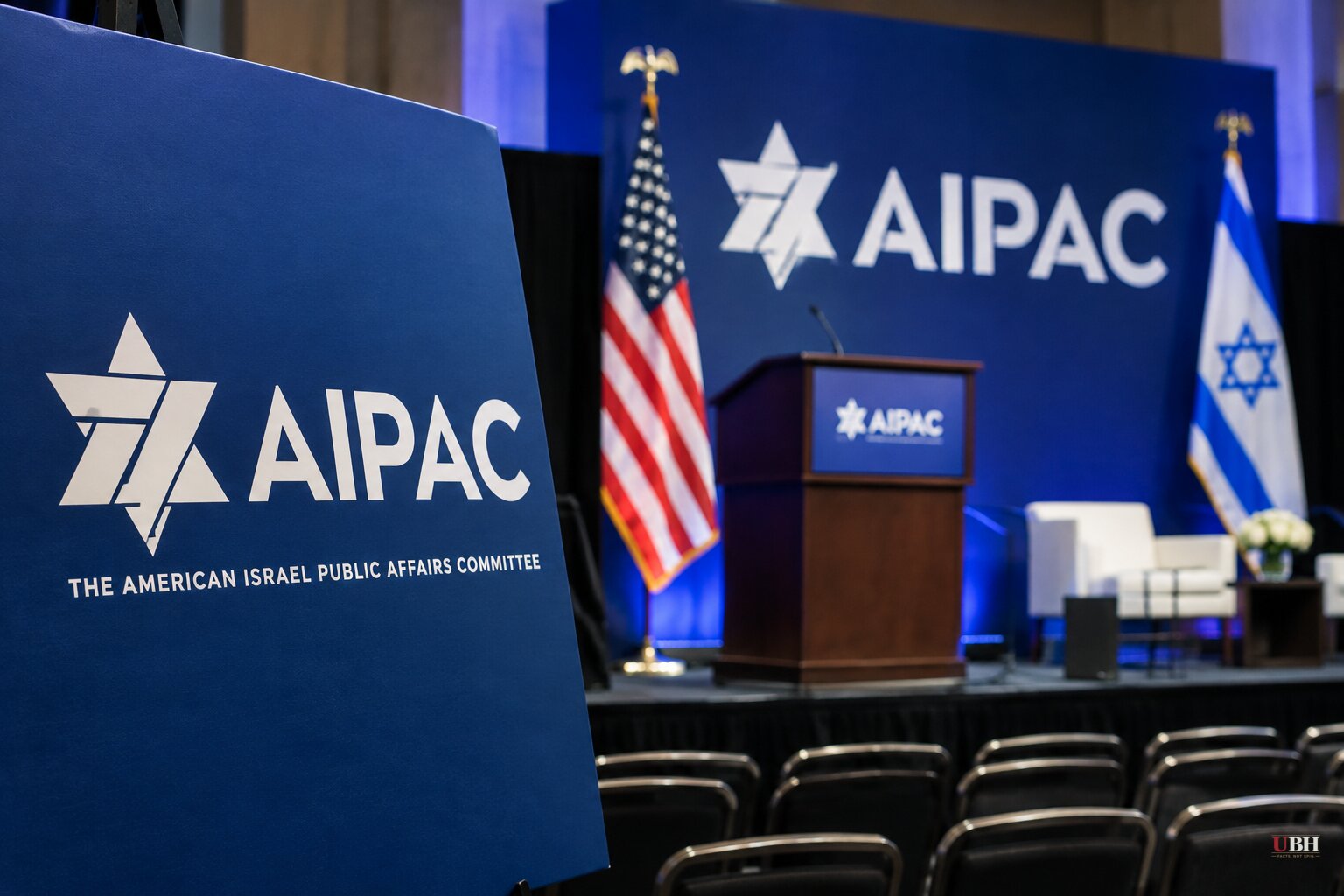
The American Israel Public Affairs Committee told members in a letter on Wednesday, Oct. 21, that it will no longer endorse candidates, make direct PAC contributions or earmark donations. The change was first reported by Jewish Insider.
The group is not leaving elections. Its super PAC, the United Democracy Project (UDP), will keep running and can raise unlimited money, AIPAC confirmed to NPR.
What the letter says
"Endorsements, direct PAC contributions, and earmarking will no longer be part of our approach so we can expand individual giving and utilize new tools to help our friends win," the letter states.
AIPAC says it will instead "prioritize increasing direct, organized contributions from individual Americans to candidates." Staff and local leaders will still recommend candidates "who are worthy of your support," according to the letter as quoted by Jewish Insider.
Under the old system, members gave through AIPAC's online portal and the money was recorded in campaign finance reports as individual contributions made through the organization. That arrangement is ending.
The letter also looks ahead. It says the 2028 cycle "will demand an even stronger commitment by our activists." It calls 2026 "one of the most challenging environments in recent memory" and warns that "the challenges we are confronting will continue to grow in the years ahead."
AIPAC says it helped 290 pro-Israel candidates win this cycle and kept 29 "detractors" from winning.
The money involved
AIPAC's PAC was the largest PAC contributor to candidates and committees in the country in 2025, giving $26.8 million, according to FEC data. The next-largest, the National Association of Realtors' PAC, gave $6.1 million.
In 2026 through Sept. 30, AIPAC contributed nearly $25 million to candidates and political committees, according to FEC filings. UDP gave another $13 million and spent $53.5 million in independent expenditures. A CNBC analysis of FEC filings puts the combined deployment through both committees this cycle at about $105.1 million.
The most expensive fight was Michigan's Democratic Senate primary. CNBC's analysis found UDP spent more than $30 million backing Rep. Haley Stevens and opposing Abdul El-Sayed. El-Sayed narrowly won the nomination.
UDP also spent millions in House primaries against Democrats Cori Bush and Tom Malinowski and Republican Thomas Massie. CNBC counted more than $3 million in the Bush race alone.
The New York Times reported Wednesday that AIPAC plans to give as much as $9 million to a PAC supporting Republican Mike Rogers against El-Sayed in the general election. AIPAC did not respond to The Guardian's request for comment on that report. NPR reports that several UDP independent expenditures are currently being used against El-Sayed.
AIPAC's position
AIPAC says nothing fundamental is changing. "Our mission and strategy remain the same," spokesperson Deryn Sousa told the Jewish Telegraphic Agency.
"Our goal is to build support for the U.S.-Israel relationship," Sousa said in a statement to NPR. "AIPAC members gave more than $90 million directly to candidates this cycle, and that organized, direct giving from our members will continue and increase."
Sousa told CNBC the group is "looking to dramatically expand our political involvement as a community and to heighten our activists' direct impact. That will be our focus in the next two years."
The letter also says AIPAC will back "the Republicans and Democrats who are advancing policies that strengthen America's alliance with Israel and standing up against anti-Israel legislation."
What critics say
Opponents read the move as a retreat. Beth Miller, political director of Jewish Voice for Peace Action, said that "through this shift, AIPAC openly admitted that their brand has become toxic in the political world." She said fewer candidates are willing to be publicly affiliated with the group.
Analyst Trita Parsi wrote that AIPAC's name "now carries such toxicity that the group doesn't want its own name on its political donations."
The political climate is documented. A Pew Research Center survey this year found 80% of Democrats and Democratic-leaning independents hold an unfavorable view of Israel, up from 53% in 2022. NPR reports that AIPAC-backed candidates have drawn opposition from both the right and the left, and some said they would not take AIPAC money.
CNBC's analysis raises a transparency question. Donations routed through AIPAC are currently disclosed as AIPAC-earmarked contributions. Direct gifts from members would not carry that label, which could make AIPAC's influence harder to trace in campaign finance records.
The portal and the Democrats
Jewish Insider reported the change followed a months-long strategic review by AIPAC's board. It also noted that earlier this year AIPAC suspended fundraising for 18 House Democrats who voted to reduce U.S. assistance to Israel. Afterward, the portal still carried active donation links for 178 Republicans and 72 Democrats.
The portal's endorsement list currently names only incumbents, though AIPAC has endorsed open-seat candidates before.
What comes next
The first test is the Nov. 3 midterms, where UDP's money is still in play in Michigan. After that, the question is how much of the $90 million-plus in member giving can be seen in FEC filings once the earmark label is gone. AIPAC has not said whether it will publish its own tally of member contributions.
The next major cycle is 2028, which the letter says will demand a deeper commitment from activists.
Sources used for this briefing
7 links from 6 independent newsrooms (syndicated copies of the same report count once)
These are the sources it draws on, linked so you can verify.


