
Unbiased headlines. Facts, not spin.
Every story is an unbiased news briefing written from 110+ sources across the spectrum — sources linked so you can verify it yourself.
 health
Notable (6/10)
July 23, 2026 at 12:06 AM
health
Notable (6/10)
July 23, 2026 at 12:06 AM
CMS Tells State Medicaid Programs to Phase Out Mercury Dental Fillings by 2027
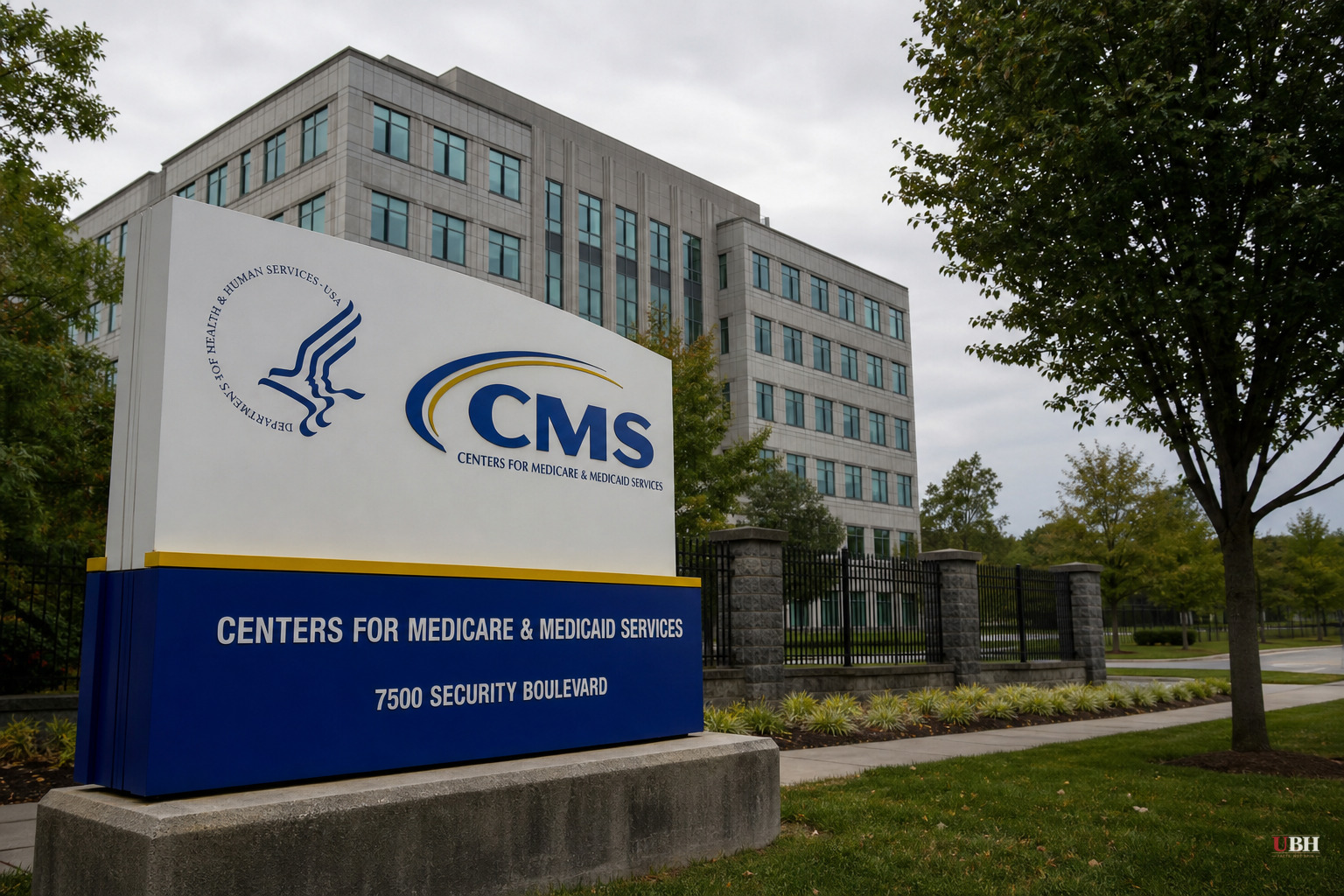
The Centers for Medicare and Medicaid Services on Wednesday directed every state Medicaid program to begin phasing out the use of mercury-containing dental fillings, according to The Daily Wire, which obtained the notification. CMS told state Medicaid directors to restrict or end Medicaid coverage for "dental amalgams," and states were told to end the use of mercury-containing dental amalgam in Medicaid facilities by 2027.
Dental amalgam contains roughly 50% mercury and has been one of the most commonly used filling materials for decades. It remains common in lower-cost dental care, which is why a Medicaid-specific policy matters — millions of low-income Americans get their dental work through Medicaid.
CMS, which sits inside Robert F. Kennedy Jr.'s Department of Health and Human Services, framed the move as part of the broader Make America Healthy Again push. According to HHS, the directive "reflects growing environmental and health concerns regarding mercury exposure, along with global efforts to reduce the use of mercury-containing materials." HHS says mercury exposure from dental amalgam may pose elevated health risks to vulnerable people, including pregnant women and their babies, women trying to become pregnant, children under six years old, and people with neurological diseases or impaired kidney function.
"Mercury has no place in the mouths of our children or in modern American health care," Kennedy said in a statement provided to The Daily Wire. "For decades, we have relied on a material that contains one of the world's most toxic heavy metals when safe, effective mercury-free alternatives are widely available."
"The Make America Healthy Again agenda means confronting outdated practices that needlessly expose Americans to toxic substances," Kennedy added. "Taxpayer dollars should support the safest care available — not yesterday's materials. It's time to turn the page on dental amalgam and help every state move toward safer, mercury-free care."
CMS Administrator Dr. Mehmet Oz echoed that framing. "Americans should feel confident that the health care they receive is always working in their best interest," Oz said. "That's why we're urging state Medicaid programs to end the use of mercury-containing dental fillings. This is a straightforward and meaningful step that reflects our shared commitment to safe, higher quality care for all Americans and supports the Trump Administration's broader goal to Make America Healthy Again."
What the policy actually does
The directive tells state Medicaid directors to restrict or end coverage. It applies to Medicaid, the government insurance program that covers dental care for millions of low-income Americans. States now have until 2027 to comply.
Where this fits in the broader MAHA push
This isn't Kennedy's first move framed under the Make America Healthy Again banner. Since President Trump returned to office, HHS has made reducing exposure to chemicals and other potentially harmful substances a centerpiece of the MAHA agenda, including efforts targeting food dyes, additives, school nutrition standards, and infant formula rules, according to The Daily Wire's reporting.
Separately, HHS has taken other Medicaid-related enforcement action this year. Kennedy announced that the Trump administration is deferring more than $1 billion in Medicaid payments to California and Minnesota over high-risk claims flagged in a crackdown, according to a report referenced by Freedoms Phoenix. That underscores how CMS has been an active lever for HHS policy well beyond dental care.
The key question moving forward is whether states can meet the 2027 deadline for ending Medicaid coverage of mercury-containing amalgam without disrupting dental access for the low-income patients who rely on the program.
Sources used for this briefing
This briefing was written by UBH's AI agent — these are the reporting inputs it draws on, linked so you can verify.


