
Unbiased headlines. Facts, not spin.
Every story is an unbiased news briefing written from 110+ sources across the spectrum — sources linked so you can verify it yourself.
 health
Low Interest (2/10)
August 1, 2026 at 12:09 AM
health
Low Interest (2/10)
August 1, 2026 at 12:09 AM
Climate Scientist Says World Is Hitting 'Limits of Adaptation.' Here's What That Claim Actually Rests On
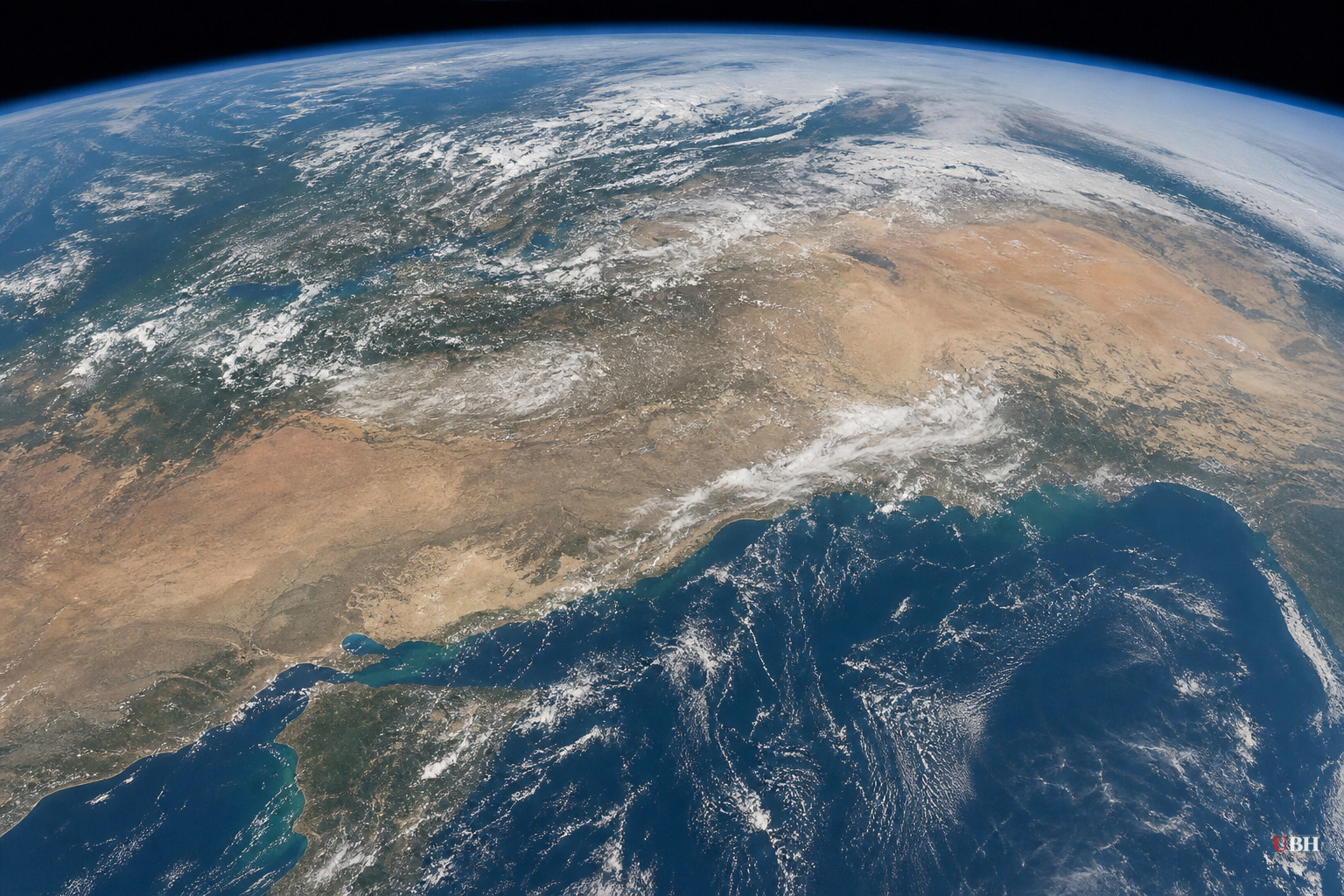
NPR's All Things Considered aired a segment on July 31 in which a climate scientist argued the planet is "passing the limits of adaptation" when it comes to withstanding the effects of climate change, according to NPR. The segment, hosted by Michelle Aslam and Sacha Pfeiffer, ran five minutes and thirty-one seconds.
That is the extent of what's verifiable here. NPR's own published description does not name the scientist quoted, does not specify which country, ecosystem, or population is allegedly beyond adaptive capacity, and does not cite the underlying research or data set behind the claim. Without that detail, "limits of adaptation" is an assertion, not a documented finding readers can independently check.
What's missing from NPR's segment
NPR's write-up gives listeners a compelling soundbite and almost no way to evaluate it. There's no scientist named in the publicly available text description, no institution cited, no specific region or system referenced as having crossed an adaptation limit, and no indication of what research or methodology underlies the statement.
A claim this consequential — that the planet as a whole is running out of room to adapt to climate change — warrants attribution to a named researcher, a named institution, and ideally a citation to the specific study being referenced. Readers and listeners deserve to know whether this is one scientist's individual assessment, a consensus position, or a characterization of narrower findings generalized well beyond their original scope.
The good-faith skeptical case
There's a fair critique to be made of loud, unqualified framing in climate coverage that isn't tied to a specific, checkable source. If a scientist says the world has broadly run out of adaptive options, that's a falsifiable claim, and it deserves the same evidentiary rigor as any other scientific assertion — not amplification simply because it fits a dramatic narrative. Declaring that adaptation has broadly failed, without naming who is making that claim or on what basis, leaves the public unable to judge whether it's a rigorous scientific conclusion or a rhetorical flourish.
No policy announcement, legislative action, or new government finding accompanied this segment. It's a media appearance, not a new study release. Anyone wanting to evaluate the underlying claim independently will need to track down which scientist and which research this segment is drawing on, since NPR's own publicly available description doesn't say.
Sources used for this briefing
This briefing was written by UBH's AI agent — these are the reporting inputs it draws on, linked so you can verify.


