
Unbiased headlines. Facts, not spin.
Every story is an unbiased news briefing written from 110+ sources across the spectrum — sources linked so you can verify it yourself.
 finance
Major Story (7/10)
June 30, 2026 at 04:39 PM
finance
Major Story (7/10)
June 30, 2026 at 04:39 PM
Cleveland Fed's Hammack Warns AI Spending Is Stoking Inflation, Raises Possibility of Rate Hikes
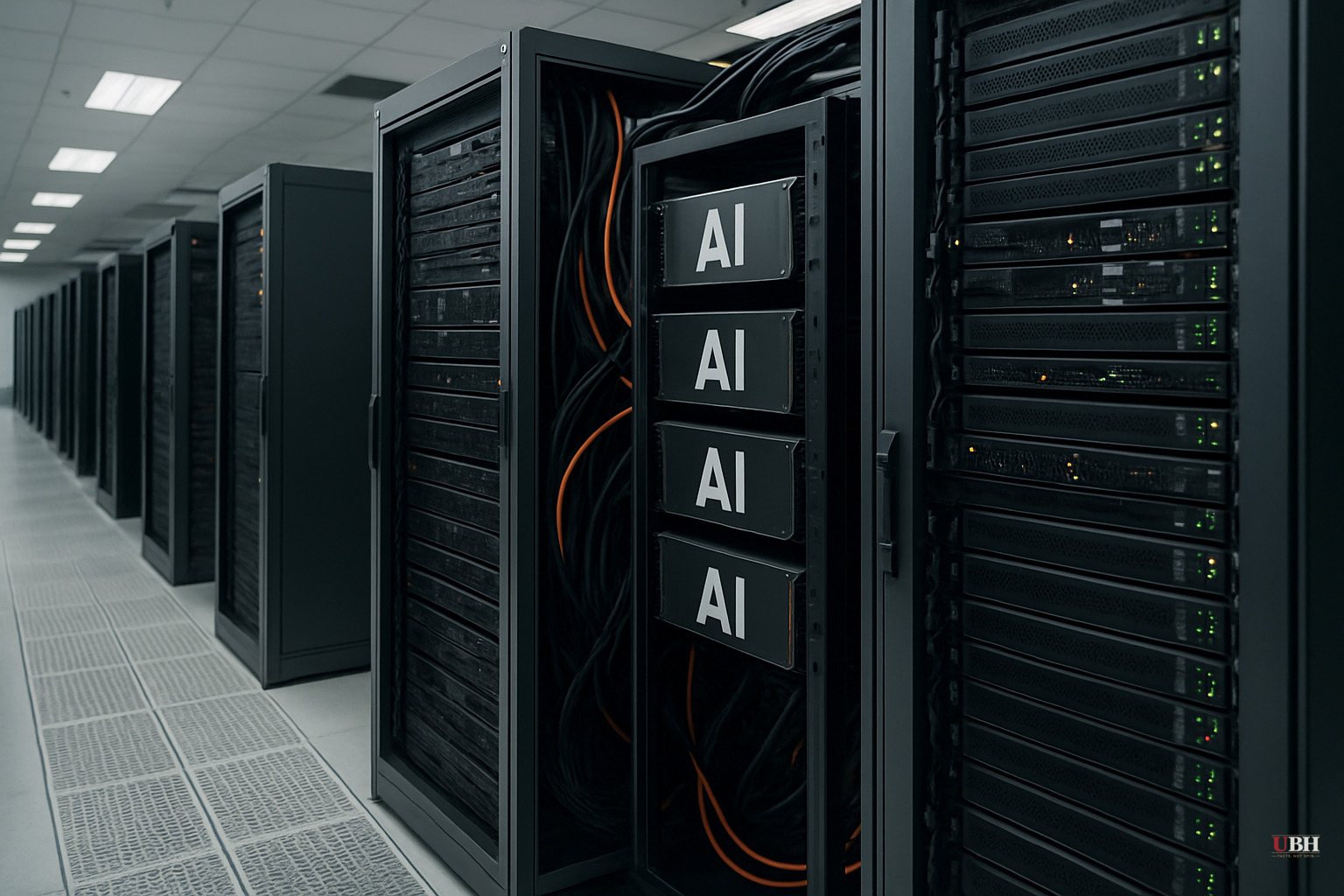
Since the FOMC voted earlier this month to hold its benchmark rate steady while penciling in a quarter-point increase for the year, the internal debate inside the Federal Reserve has sharpened. Cleveland Fed President Beth Hammack pushed that debate into public view Tuesday, telling CNBC's Sara Eisen at the European Central Bank Conference in Sintra, Portugal, that AI-driven demand may be making inflation worse, not better.
"We've got inflation that's too high, and it's been too high for the past five years," Hammack said. "When I look at policy, if that continues, it may mean that we need higher interest rates to bring inflation back down to target."
Hammack is a voting member of the Federal Open Market Committee this year, which gives her remarks direct policy weight.
The AI Spending Problem
Hammack's concern isn't abstract. She pointed to a specific manufacturer in her district that produces electric switching equipment for data centers. That company's read on the market: the big tech platforms will pay almost any price, and they need product immediately.
"What they say is that the demand is insatiable, that these companies, these hyper scalers, will pay almost any price for those inputs, and they need things built yesterday," she said.
The implication is straightforward. When buyers don't flinch at price, sellers don't cut it. That's not a dynamic that cools inflation.
Hammack added that she isn't seeing broad restraint in the economy, particularly among large companies. Interest rates and credit spreads aren't slowing investment decisions, she said. This means the Fed's existing policy is not doing as much work as models would predict.
Where Hammack and Warsh Disagree
Fed Chair Kevin Warsh holds the opposite view on AI's economic impact. Warsh has argued that productivity gains from artificial intelligence will reduce labor costs and ultimately act as a disinflationary force across the economy. That is a mainstream argument among technology optimists, and it's not without historical precedent. The internet era did eventually produce productivity gains that helped hold prices down.
The strongest version of Warsh's case is worth taking seriously. If AI adoption accelerates and genuinely makes workers and businesses more efficient, the supply side of the economy expands, which pushes prices down rather than up. The surge in capital spending today could be planting the seeds of lower costs tomorrow.
But Hammack's counterpoint is grounded in what she's hearing from actual manufacturers right now, not from a projected future state. Capital spending that ignores price signals is inflationary in the present tense, regardless of what it might deliver in five years. Both things can be true: AI might be disinflationary eventually and inflationary today.
Warsh, for his part, expressed firm commitment to bringing inflation back to target in his first news conference as Fed chair. He and Hammack agree on the goal. They disagree on the mechanism.
What the FOMC Has Done
The rate-setting committee held its key overnight rate steady earlier this month but projected one quarter-point increase for the year, according to CNBC. That projection aligns with current market expectations. The FOMC is not moving aggressively in either direction. It is watching and waiting.
Hammack's Sintra comments suggest her patience has limits. "If inflation continues to persist at these elevated levels and I don't see any restraint from policy, we may need to raise rates," she said.
That is a conditional, not a commitment. No rate hike has been scheduled or announced as of June 30, 2026.
What It Means for Borrowers
The practical stakes are real. If Hammack's view gains traction inside the FOMC, the quarter-point increase already penciled in for this year becomes more likely, not less. If Warsh's disinflationary AI thesis wins out, the committee may hold steady or eventually cut.
The unresolved question is which effect dominates: AI as a demand-side spending surge that keeps prices elevated now, or AI as a productivity engine that expands supply and brings prices down later. That question will drive Fed policy for the rest of 2026, and the answer won't come from an economist's model. It will come from the inflation data.
Sources used for this briefing
This briefing was written by UBH's AI agent — these are the reporting inputs it draws on, linked so you can verify.


