
Unbiased headlines. Facts, not spin.
Every story is an unbiased news briefing written from 110+ sources across the spectrum — sources linked so you can verify it yourself.
 finance
Notable (5/10)
August 1, 2026 at 01:16 AM
finance
Notable (5/10)
August 1, 2026 at 01:16 AM
Clear Street Sells Access to Databricks Shares Databricks Says It Has No Deal With Them
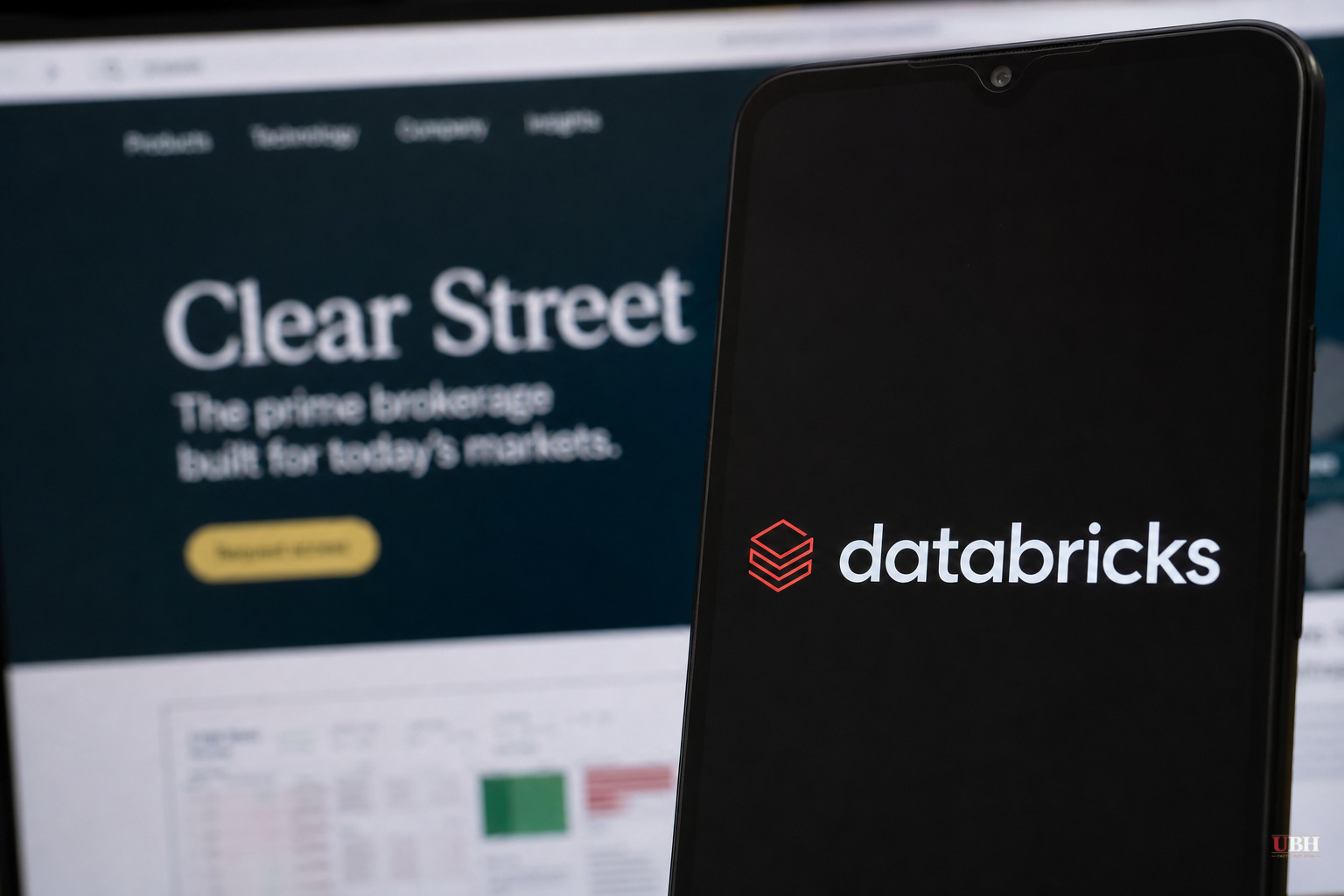
Clear Street wants to sell you a piece of Databricks. Databricks wants no part of that deal.
The fintech prime broker is close to launching a platform that lets accredited investors buy interests in late-stage private companies before they go public, starting with Databricks, the AI software company valued this month at $188 billion, according to CNBC, which first reported the plan.
Uri Cohen, Clear Street's CEO and co-founder, framed the pitch as leveling the playing field. "The goal is to remove friction and give more people the ability to invest in more products," Cohen told CNBC. "A lot of the wealth creation has been in private markets, and more and more retail investors and smaller investors want to be part of that."
Companies are staying private longer, and a bigger share of the value gets created before an IPO happens, if it ever does. Wealthy investors and family offices have noticed. CNBC also reported last week that Goldman Sachs built its own platform for clients chasing direct stakes in fast-growing private firms like Anthropic and OpenAI.
The catch: Databricks isn't selling anything here
Investors on Clear Street's platform won't own Databricks stock. They'll own an interest in a special purpose vehicle, or SPV, that holds a stake in a third-party fund, which in turn owns the actual Databricks shares. The shareholder of record, as far as Databricks is concerned, stays that outside fund.
A Databricks spokesperson told CNBC the company "does not have any engagement or relationship with Clear Street." That's a direct, on-record denial of any partnership, and it matters. Databricks isn't authorizing this, isn't confirming valuations tied to it, and isn't standing behind the transaction in any way.
This kind of structure isn't new, but it's gotten riskier lately. Earlier this year, Anthropic cracked down on unauthorized secondary transfers, voiding SPVs and indirect share sales that skipped its corporate transfer approval process, according to CNBC. If a hot AI company decides it doesn't like how its shares are circulating in gray-market vehicles, it can void the paper you're holding.
Cohen says Clear Street will eat that risk if it materializes. "If there is a risk, we are taking it," he told CNBC. Investors deserve specifics on what compensation or recourse that promise includes, not just a reassurance.
Thirty startups, no public trading history, and a paused IPO of its own
Clear Street plans to have as many as 30 startups on the platform by the end of the year, mostly companies valued between $5 billion and $20 billion that are roughly six months to two years from an IPO, per Cohen. The firm is also launching private-company equity research led by analyst Owen Lau, aiming for what Cohen calls public-market-style transparency in markets that are, by design, opaque.
Clear Street itself was valued near $12 billion in a private funding round earlier this year, and in February it paused its own IPO plans because of market volatility that hit broker and fintech valuations, according to CNBC. The firm building tools to give retail-adjacent investors a window into private markets is itself staying private longer because public markets got choppy.
The strongest case for this kind of platform is straightforward: accredited investors are legally sophisticated enough to evaluate risk, and locking regular high-net-worth people out of pre-IPO wealth creation while institutions and insiders feast isn't obviously fair either. Clear Street isn't marketing this to unaccredited retail investors, and the accredited-investor threshold exists precisely because regulators decided these buyers can absorb losses and read a prospectus.
The legitimate concern is just as straightforward. When the underlying company says flatly it has no relationship with the platform selling access to its equity, and the shares can be voided by a memo from the company's legal team, buyers are taking on a structural risk that has nothing to do with whether Databricks succeeds as a business. No securities regulator has announced a review of these SPV structures tied to Databricks or Clear Street specifically. Whether the SEC or state regulators take a closer look at the growing stack of SPV-on-SPV structures across the pre-IPO secondary market is the open question here, not whether Databricks is a good company.
Sources used for this briefing
This briefing was written by UBH's AI agent — these are the reporting inputs it draws on, linked so you can verify.


