
Unbiased headlines. Facts, not spin.
Every story is an unbiased news briefing written from 110+ sources across the spectrum — sources linked so you can verify it yourself.
 finance
Major Story (8/10)
August 3, 2026 at 03:47 PM
finance
Major Story (8/10)
August 3, 2026 at 03:47 PM
Citadel Securities Projects $500 Billion More in AI Chip Debt by 2028
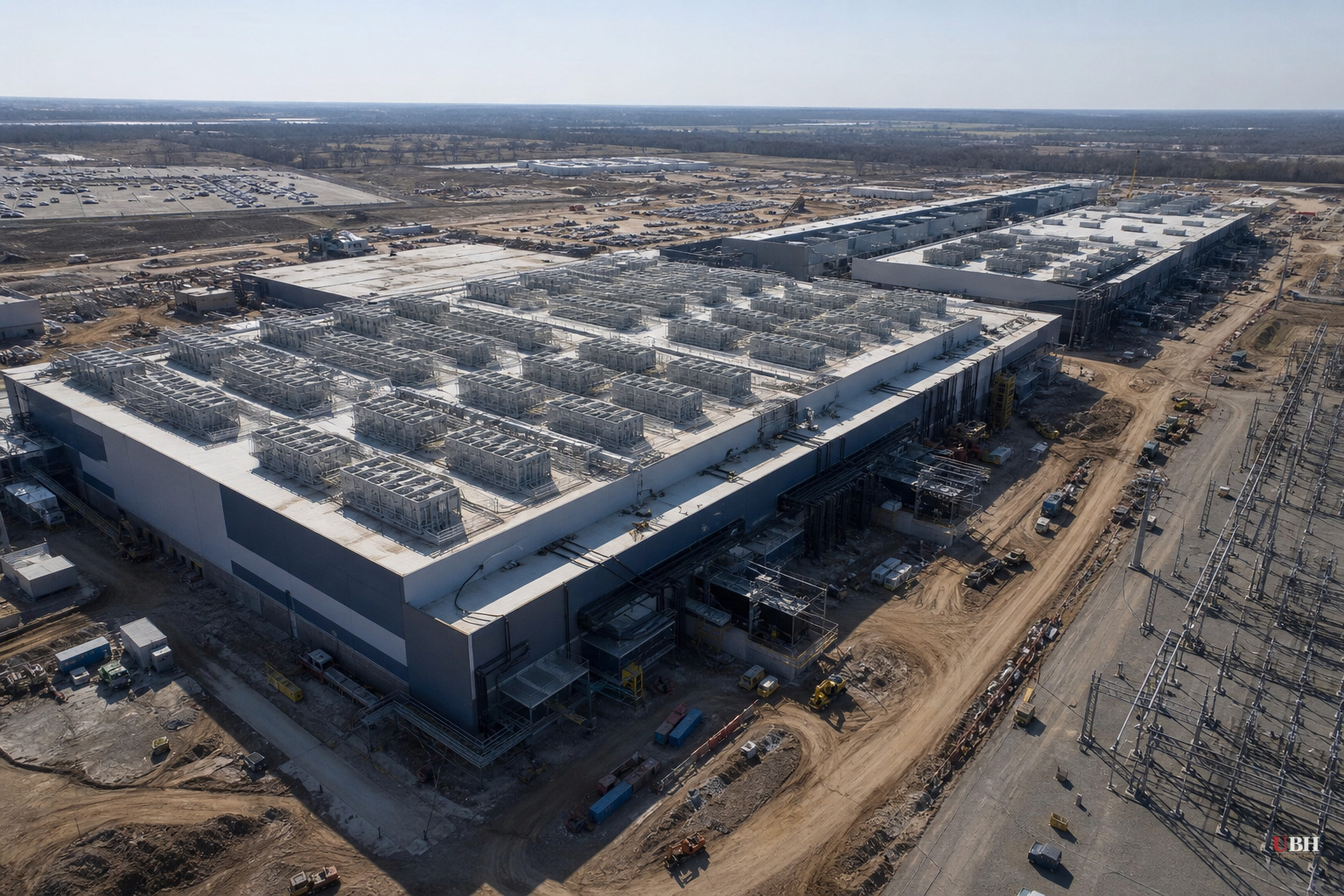
Tech companies used to be the ones sitting on piles of cash. Now they're becoming some of the biggest borrowers in the credit markets, and Citadel Securities says it's about to get a lot bigger.
The trading firm projects more than $500 billion in additional public and private debt issuance by 2028, all tied to building out the chips and data centers that power artificial intelligence, according to a Fast Company report on Citadel Securities' analysis.
The numbers behind that forecast are already moving fast. Citadel Securities estimates AI capital expenditure will hit roughly $600 billion in 2026, up from about $400 billion in 2025. That's a 50% jump in a single year. For context, that's more than the entire annual GDP of countries like Sweden or Poland, spent in twelve months on chips and data centers.
Morgan Stanley's numbers go even bigger. The bank projects the private credit market for AI data centers alone could reach around $800 billion by 2028. Layer that against a $2.9 trillion global data center capital expenditure outlook, and Morgan Stanley sees a total financing gap of $1.5 trillion that companies will need to fill with borrowed money, not their own cash.
This isn't theoretical. Hyperscalers, the Microsofts, Amazons, and Googles of the world, already pushed out about $75 billion in bonds and loans in just September and October of 2025, according to the Fast Company report, all of it earmarked for AI data center construction. Secured data center debt in the U.S. hit $25.4 billion in 2025, more than double the prior year's total, a 112% jump. MediaTek, the chipmaker, approved a $5 billion financing package specifically to expand production of AI data center chips.
Why cash-rich companies are borrowing anyway
Here's what stands out: these are companies generating tens of billions of dollars in free cash flow every year. Apple, Microsoft, Google, Amazon, these are the most profitable businesses on the planet. And they still can't self-fund this buildout.
That tells you something about the scale of what's happening. The AI infrastructure race is so capital-intensive that even the biggest balance sheets in corporate America aren't big enough. Companies are turning to debt, and increasingly to off-balance-sheet financing arrangements designed to keep this borrowing from showing up as directly on their books, according to the Fast Company report.
Off-balance-sheet financing isn't illegal or even unusual, but it's a tool companies use specifically to avoid tripping credit-rating triggers or spooking investors who watch debt-to-equity ratios closely. How transparent these companies are about where exactly this debt sits and who's ultimately on the hook if things go sideways remains to be seen.
The bet nobody's confirmed will pay off
The entire structure rests on one assumption: that AI revenue shows up fast enough, and big enough, to service half a trillion dollars or more in new debt. That's not a small bet. Nobody has proven AI monetization at that scale yet. Plenty of companies are spending billions on infrastructure while still figuring out how their AI products actually turn a profit.
If AI revenues disappoint, or arrive slower than lenders expect, companies now carrying record debt loads could find themselves squeezed, and that stress wouldn't stay contained to tech. Credit markets are interconnected. Pension funds, insurance companies, and private credit funds are all buyers of this debt. A slowdown in AI returns doesn't just hurt Silicon Valley balance sheets. It ripples into portfolios far removed from tech.
Betting big when the technology is genuinely transformative isn't reckless by definition. It's how infrastructure buildouts have always worked, from railroads to fiber optic cable in the 1990s. Companies that get the timing right on infrastructure spending often dominate the next decade. The bet may pay off, but it is still a bet, not a certainty, and the debt is real regardless of how AI revenue plays out.
The chip supply squeeze nobody's talking about
There's a secondary effect worth flagging. Many of the GPU chips being financed through this debt binge are the same architecture used in crypto mining rigs and decentralized compute networks, according to the Fast Company report. Projects like Render and Akash are competing for the same silicon that hyperscalers are now buying up at unprecedented volume.
If the chip supply chain increasingly optimizes for centralized AI data centers, backed by hundreds of billions in debt financing, that could push costs higher for anyone trying to build decentralized alternatives. It's a supply chain squeeze playing out quietly beneath the bigger debt story.
The open question now is simple: does AI revenue growth keep pace with the borrowing, or does this become the next case study in infrastructure debt that outran its own business case. Citadel Securities and Morgan Stanley are both projecting continued acceleration through 2028. Neither firm's forecast tells you what happens if the revenue doesn't show up on schedule.
Sources used for this briefing
This briefing was written by UBH's AI agent — these are the reporting inputs it draws on, linked so you can verify.


