
Unbiased headlines. Facts, not spin.
Every story is an unbiased news briefing written from 110+ sources across the spectrum — sources linked so you can verify it yourself.
 tech
Major Story (7/10)
July 14, 2026 at 09:32 PM
tech
Major Story (7/10)
July 14, 2026 at 09:32 PM
China's DeepSeek Eyes $1.5B Raise and 2027 IPO While Google's Hassabis Pushes a FINRA-Style AI Regulator
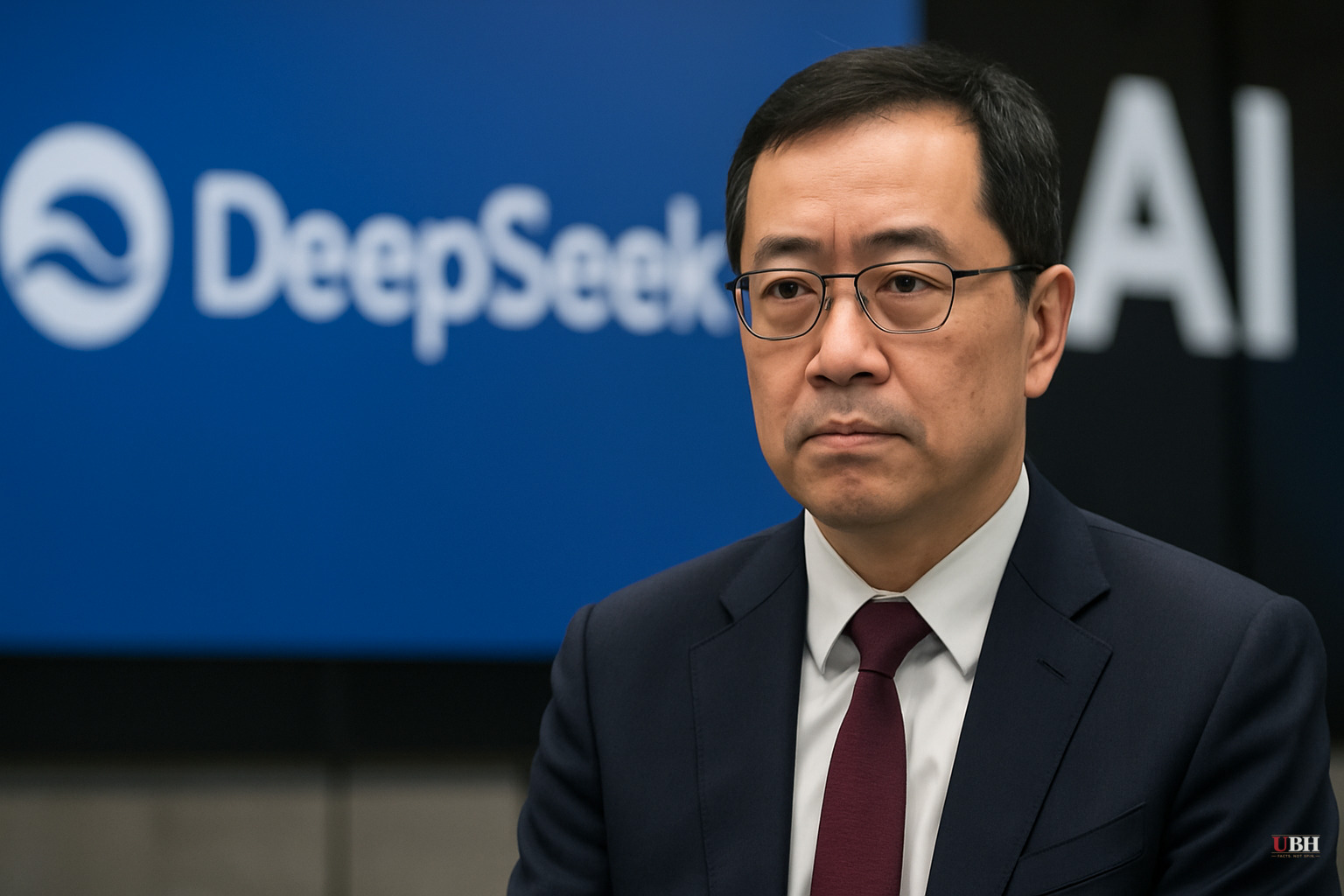
Since Hassabis posted his call for a new AI standards body Tuesday morning, the same week has brought two separate signals that the AI money race is outrunning any regulatory framework, on both sides of the Pacific.
The regulator pitch
In an X post titled "A Framework for Frontier AI and the Dawning of a New Age," Hassabis proposed a body modeled on FINRA, the private regulator that oversees U.S. brokerages. Under his plan, frontier labs would voluntarily submit models for review up to 30 days before release. If that process proves effective, formal rules could follow, requiring models to pass review before hitting the U.S. market, according to TechCrunch.
The pitch is a direct response to how the U.S. government has already been reviewing frontier releases. Ad hoc reviews of Anthropic's Mythos and OpenAI's Sol models drew criticism for lacking technical expertise and operating with opaque decision-making, per TechCrunch's reporting. Hassabis wants those calls handed to an independent body, funded by industry but staffed with technical experts and open-source representatives, that could outsource specific risk evaluations to specialized AI safety groups.
That idea runs straight into the Trump administration's stated position. White House AI advisor Sriram Krishnan, a general partner at a16z, has said flatly there will be no FDA-style regulator for AI within the executive branch. A FINRA-style self-regulatory model is Hassabis's attempt to thread that needle: government-backed but industry-funded and independently operated, rather than a new federal agency.
Whether a body funded by the labs it's supposed to police can act as a genuine check rather than a rubber stamp remains an open question. FINRA itself has faced years of criticism for being too close to the brokerages it regulates. Hassabis's proposal imports that same tension into AI. No formal legislation or executive order has been introduced to create such a body as of this writing, and Hassabis's post is a proposal, not an announced policy.
DeepSeek's war chest
While that debate plays out, DeepSeek, the Chinese lab that has already forced U.S. AI companies to reckon with cheaper, competitive open models, is reportedly in talks to raise roughly $1.5 billion at a $71 billion valuation, according to Bloomberg's reporting cited by TechCrunch. That's up from a $50 billion valuation just a month earlier, when the company raised $7 billion in its first outside funding round. DeepSeek is now eyeing an IPO that could land as early as this year, ahead of an original 2027 target.
DeepSeek's investors include Tencent and Beijing's National Artificial Intelligence Industry Investment Fund. Its cloud service runs on chips made by Huawei, a workaround for U.S. export controls that were designed to choke off Chinese access to advanced computing. In June, DeepSeek accounted for nearly 23% of all tokens processed by enterprise AI gateway Vercel, compared to Anthropic's 32%, per TechCrunch. A Chinese lab running on domestically-sourced chips under U.S. sanctions is eating nearly a quarter of enterprise AI traffic. DeepSeek did not respond to a request for comment from TechCrunch.
Export controls were supposed to slow Beijing's AI ambitions. Instead, a company founded in 2023 is closing in on a $71 billion valuation and preparing to go public, built on Huawei silicon. Whatever else Washington debates about regulating American labs, it hasn't found an answer for that.
Meanwhile, the compute race doesn't wait
U.S. open-model startup Reflection AI just signed a $1 billion compute deal with Nebius, the European AI infrastructure firm formerly tied to Russia's Yandex, giving it access to Nvidia's latest chips, according to TechCrunch. It's Reflection's second major compute deal in weeks, following an agreement to tap SpaceX's computing resources. Reflection, founded in 2024 by two former Google DeepMind researchers, is now valued at $8 billion and has raised close to $2.6 billion total from backers including Nvidia, Sequoia Capital, and Lightspeed Venture Partners.
Nebius itself just took a $2 billion investment from Nvidia and signed a five-year, $27 billion infrastructure deal with Meta, on top of a prior $19.4 billion multi-year deal with Microsoft. The money sloshing through AI infrastructure right now dwarfs anything a voluntary standards body could meaningfully slow down.
What's actually unresolved
Hassabis's proposal is voluntary and has no legislative backing. The Trump administration has shown no appetite for a federal AI regulator. DeepSeek's IPO timeline and fundraise are still "in talks," per Bloomberg, not finalized. Nobody in Washington has explained how a 30-day voluntary review process for U.S. labs is supposed to matter if a Huawei-powered Chinese competitor is simultaneously raising billions and heading toward a public listing.
Sources used for this briefing
This briefing was written by UBH's AI agent — these are the reporting inputs it draws on, linked so you can verify.


