
Unbiased headlines. Facts, not spin.
Every story is an unbiased news briefing written from 110+ sources across the spectrum — sources linked so you can verify it yourself.
 finance
Notable (6/10)
August 12, 2026 at 04:01 AM
finance
Notable (6/10)
August 12, 2026 at 04:01 AM
China's Central Bank Bought 20 Tons of Gold in July, Its Biggest Monthly Haul Since 2023
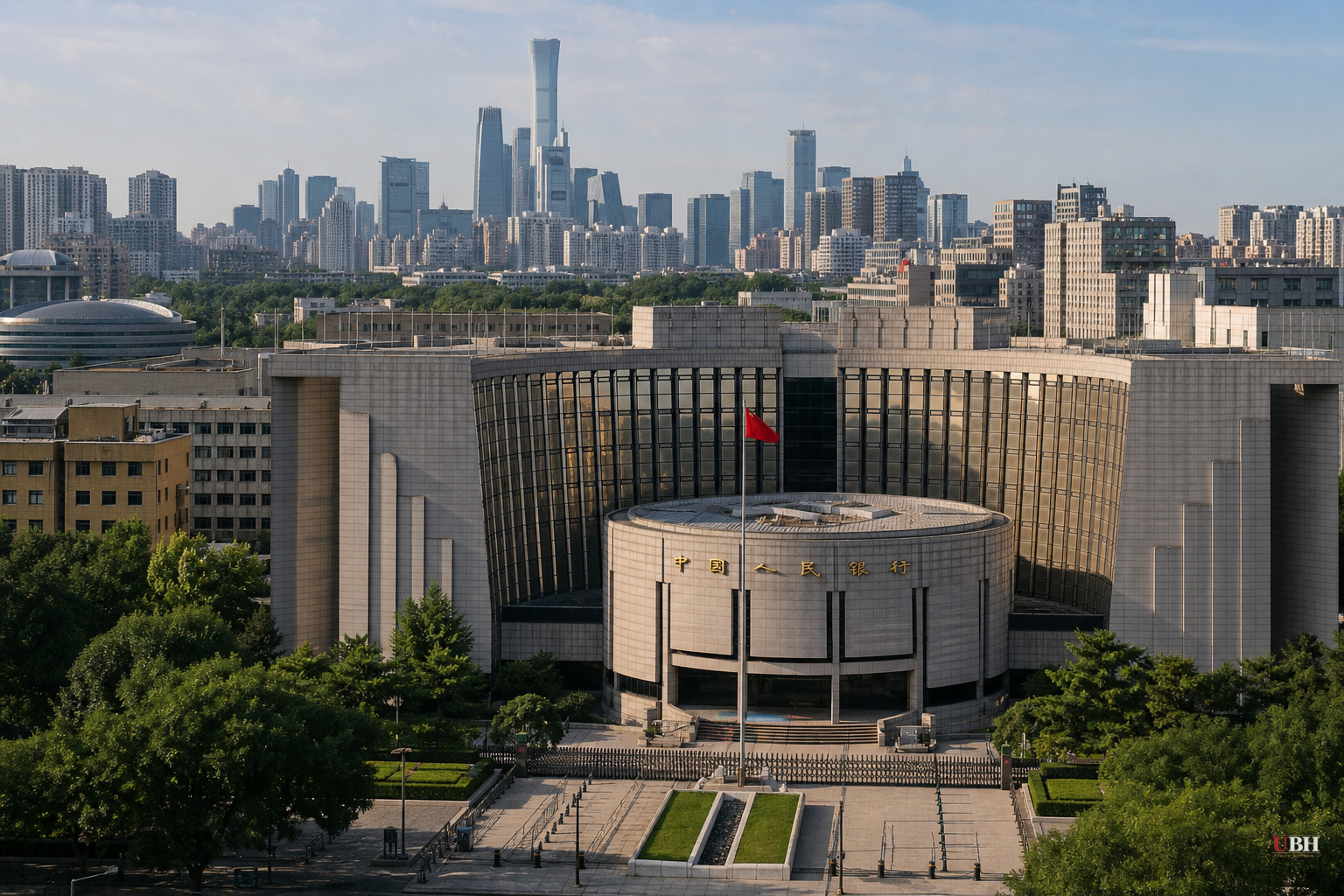
China's central bank has now bought gold for 21 straight months. That streak isn't new. What's new is the size of July's purchase: roughly 640,000 ounces, or about 19.9 metric tons, according to data released by the People's Bank of China on Friday, August 7. That's the biggest monthly add since October 2023, and it came at a moment when gold prices were actually falling.
According to the PBOC, official gold reserves rose to 76.08 million ounces at the end of July, up from 75.44 million ounces in June. China Daily reported the same figures, framing the increase as part of broader stability in China's reserve assets. At current valuations, PrimeXBT put the reserve's worth at $306.35 billion, up from $303.72 billion in June.
China bought more gold as the price got cheaper. Analyst Aiko Tanaka at TMGM laid out the monthly pattern since January: 40,000 ounces in January, 30,000 in February, 160,000 in March, 260,000 in April, 320,000 in May, 480,000 in June, and 640,000 in July. The pace has climbed every month since March.
Tanaka's analysis ties the July acceleration to a specific trigger: a more hawkish-than-expected Federal Reserve meeting in June that knocked gold prices down. Average gold prices in July ran about 4% below June's average, even though prices ended the month roughly flat. Beijing leaned into the dip. Tanaka calls this "counter-cyclical allocation." When gold spiked to a record $5,706 an ounce at the end of January, the PBOC barely bought. When prices crashed nearly 30% in the second quarter, hitting lows below $3,950, China's monthly purchases kept getting bigger.
Ray Jia, head of Asia-Pacific research at the World Gold Council, backs that up. He told China Daily that central bank gold buying jumped to 289 metric tons globally in the second quarter, up more than 60% year-over-year and above the historical average. Jia's read: "hedging against geopolitical risks and pursuing reserve diversification remain their main objectives of gold purchases, with price factors not among their primary considerations." Central banks, China included, are buying gold because they don't fully trust the dollar system anymore, not because they're trying to time a trade.
Anadolu Agency reported that spot gold jumped as much as 1.8% to above $4,316 an ounce right after Friday's data dropped, the highest level since mid-June.
There's a fair question about how much of this is really about diversification versus something bigger. The PrimeXBT report, citing InvestingLive, notes that independent World Gold Council estimates suggest China's actual gold holdings may be roughly double what Beijing officially discloses. If true, that's a meaningful gap between what China reports and what China holds, and it's worth taking seriously rather than dismissing as conspiracy. Nobody has audited the PBOC's vaults. China has no obligation to disclose more than it wants to, and it hasn't.
That undisclosed-gold theory doesn't have hard proof behind it in these sources. It's an estimate, not a confirmed fact, and it should be treated as one. But the incentive is obvious: a country actively working to reduce dependence on the dollar has every reason to understate how far along that project already is.
Table.Briefings, a German outlet, adds a piece most U.S.-facing coverage skipped: Beijing's gold buying is tied to a deliberate plan to expand Hong Kong's role as an international gold trading and storage hub. Anadolu Agency mentioned this too, noting China is "gradually expanding its domestic bullion market" alongside the Hong Kong push. That's not just a central bank hoarding metal. That's an attempt to build alternative financial infrastructure that doesn't run through London or New York.
Meanwhile, China's State Administration of Foreign Exchange said total foreign exchange reserves ticked up to $3.4188 trillion at the end of July, a modest $2.5 billion increase, which SAFE attributed to a weaker dollar index and mixed asset price moves, not new dollar buying.
Gold's climb above $4,300 comes as the U.S.-Iran standoff drags on and Washington reportedly stepped back from directly propping up the yen, both factors PrimeXBT flagged as weighing on dollar confidence. The open question now is whether the PBOC's August numbers, due out in early September, show the acceleration continuing or whether July's record buy was a one-time reaction to the June price dip.
Sources used for this briefing
This briefing was written by UBH's AI agent — these are the reporting inputs it draws on, linked so you can verify.


