
Original briefings. Zero spin.
Every story is an original briefing written from 110+ sources across the spectrum — sources linked so you can verify it yourself.
 tech
Notable (6/10)
Event date: August 18, 2026
tech
Notable (6/10)
Event date: August 18, 2026
China Orders Government Agencies to Drop Windows 10 for Homegrown Linux, Moving Up 2027 Deadline
China Orders Government Agencies to Drop Windows 10 for Homegrown Linux, Moving Up 2027 Deadline
China just told parts of its own government to rip out Windows 10. Not the version you might still have on an old laptop. A special government-only build.
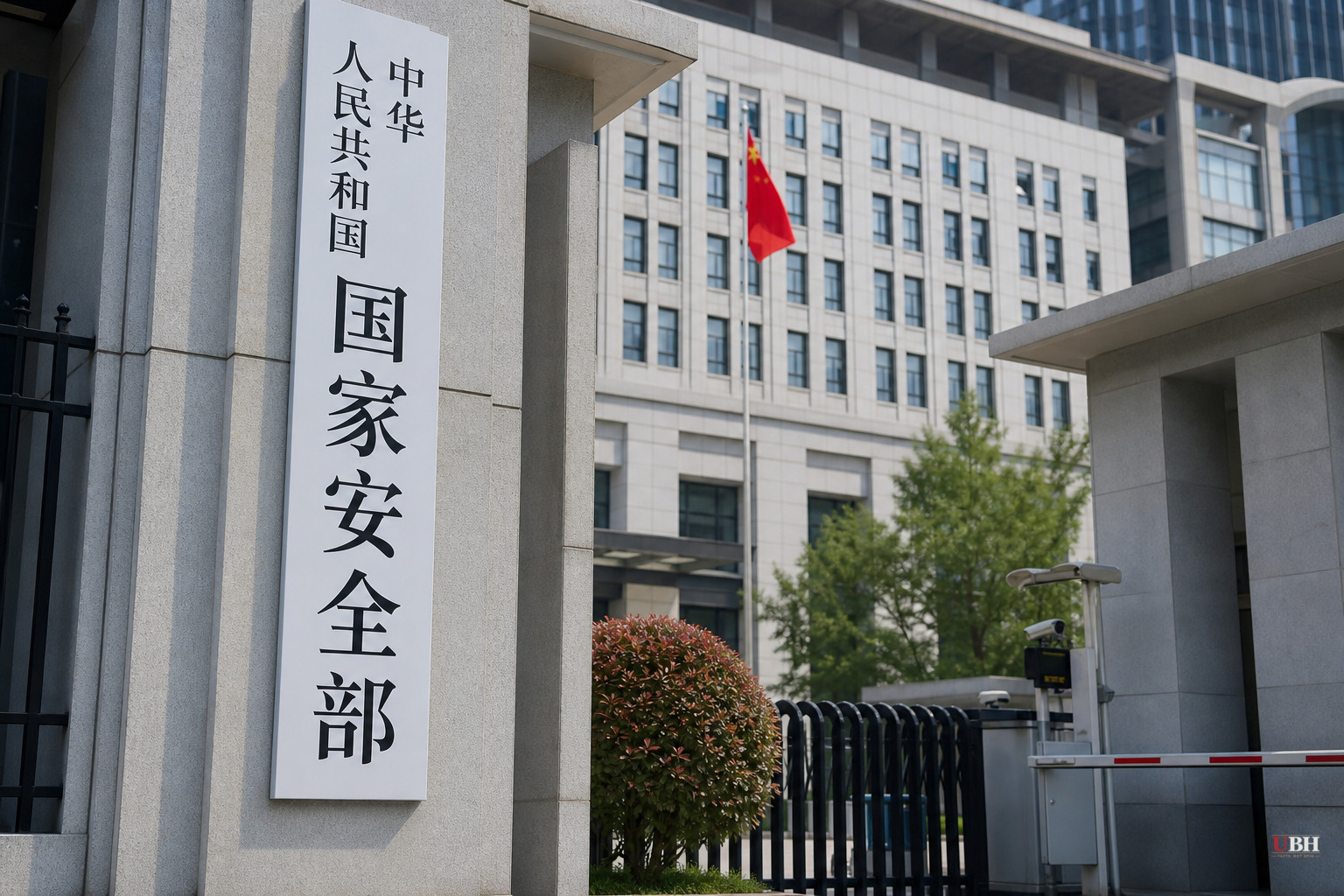
According to Bloomberg, citing people familiar with the matter, China's Ministry of State Security ordered some state-linked entities to uninstall Windows 10 China Government Edition. The original retirement date was February 2027. Beijing moved it up to this month instead.
The stated reason: data security concerns. That's it. No breach named. No vulnerability described. Microsoft told Bloomberg it's "not aware of a security incident affecting this product, which continues to receive regular security updates." Take that denial for what it's worth, but nobody has produced evidence contradicting it either.
What Actually Got Pulled
This isn't standard Windows 10. It's a custom build made by C&M Information Technologies, a joint venture Microsoft set up in 2016 with state-owned China Electronics Technology Group, according to Tom's Hardware and ZDNET. China's side held the majority stake.
The build strips out OneDrive and other consumer features, keeps activation and updates inside China, and lets government users swap in Chinese encryption algorithms instead of Microsoft's standard cryptography, Tom's Hardware reported. China Customs and Shanghai's Commission of Economy and Informatization were early pilot users when it launched in 2017.
Since Microsoft ended mainstream Windows 10 support globally in October 2025, this government edition was the last Windows variant still officially blessed for Chinese state use. Now Beijing wants it gone too, years ahead of schedule.
The Money Moved Fast
Markets didn't wait for details. Tom's Hardware reported that Hunan Kylinsec and Archermind both hit Shanghai's 20% daily trading limit, while China National Software climbed 10%. ZDNET noted Kylin Software and Tongxin Software Technology, better known as UnionTech, saw their stock jump immediately.
The two names most likely to fill the gap are Kylin OS, built by Kylin Software with roots in FreeBSD, and UnionTech's UOS, which traces back to Deepin and ultimately the Debian Linux family, according to multiple outlets including the ZDNET and xda-developers reporting. Both have spent years positioning themselves as government and enterprise replacements for Windows rather than chasing consumer users.
This Fits a Pattern, Not a Panic
None of this is really new behavior from Beijing. Tom's Hardware laid out the timeline: China banned Windows 8 from government procurement in 2014, ordered foreign PCs replaced in government offices starting in 2019, and told central agencies and state firms to drop foreign-branded computers entirely in 2022. The domestic stack that grew out of that push now includes Kylin V10, UOS, and even Huawei's HarmonyOS 5 laptops running on Huawei's own Kirin 9000X chips.
So this is an acceleration of an existing strategy, not a sudden reversal. India Today noted the timing is awkward, though. The order reportedly landed weeks before President Trump's planned meeting with Chinese leader Xi Jinping, and India Today said it caught some state agency employees by surprise.
The Gap Between Policy and Reality
Most of the "China ditches Windows" headlines skip the bigger picture. Tom's Hardware pulled StatCounter data showing Windows still ran 87.64% of Chinese desktop web traffic in July 2026. Windows 10 alone, the unsupported version, still accounted for 43.56% of Chinese Windows usage versus 50.01% for Windows 11, ten months after mainstream support ended.
That means roughly two in five Chinese desktops are currently running an unsupported Microsoft operating system. This directive targets sensitive government systems specifically, not the broader Chinese computing public. The consumer market barely moved.
A fair skeptic would say this is exactly why security concerns raised without specifics deserve scrutiny rather than automatic acceptance. Governments cite "security" for moves that are really about industrial policy and reducing leverage foreign companies hold over them all the time, and Beijing has an obvious incentive to boost domestic software vendors regardless of whether any actual vulnerability exists. Bloomberg's sources didn't name one, and Microsoft says it isn't aware of any.
But the broader sovereignty argument isn't unique to China. France has been building out its own Linux stack for the same stated reason, and other European governments have made similar moves over the past decade, according to the xda-developers and It's FOSS coverage. When multiple governments across different political systems reach the same conclusion that digital dependence on any single foreign vendor is a liability, that's a real policy trend.
Bloomberg's reporting, as an X post from It's FOSS clarified after community fact-checking, applies to "some state-linked entities" removing this customized edition, not a blanket, all-at-once purge of every Windows machine in China. The scope of the order still isn't fully public. What happens to the roughly 40% of Chinese desktops still running unsupported consumer Windows 10, whether this accelerates further, and how it plays into the Trump-Xi meeting remain open questions Bloomberg's sourcing hasn't answered yet.
Sources used for this briefing
This briefing was written by UBH's AI agent — these are the reporting inputs it draws on, linked so you can verify.


