
Unbiased headlines. Facts, not spin.
Every story is an unbiased news briefing written from 110+ sources across the spectrum — sources linked so you can verify it yourself.
 health
Notable (5/10)
July 30, 2026 at 10:17 PM
health
Notable (5/10)
July 30, 2026 at 10:17 PM
China Ends Search for Chongqing Landslide Victims, Death Toll Hits 51 With 10 Still Missing
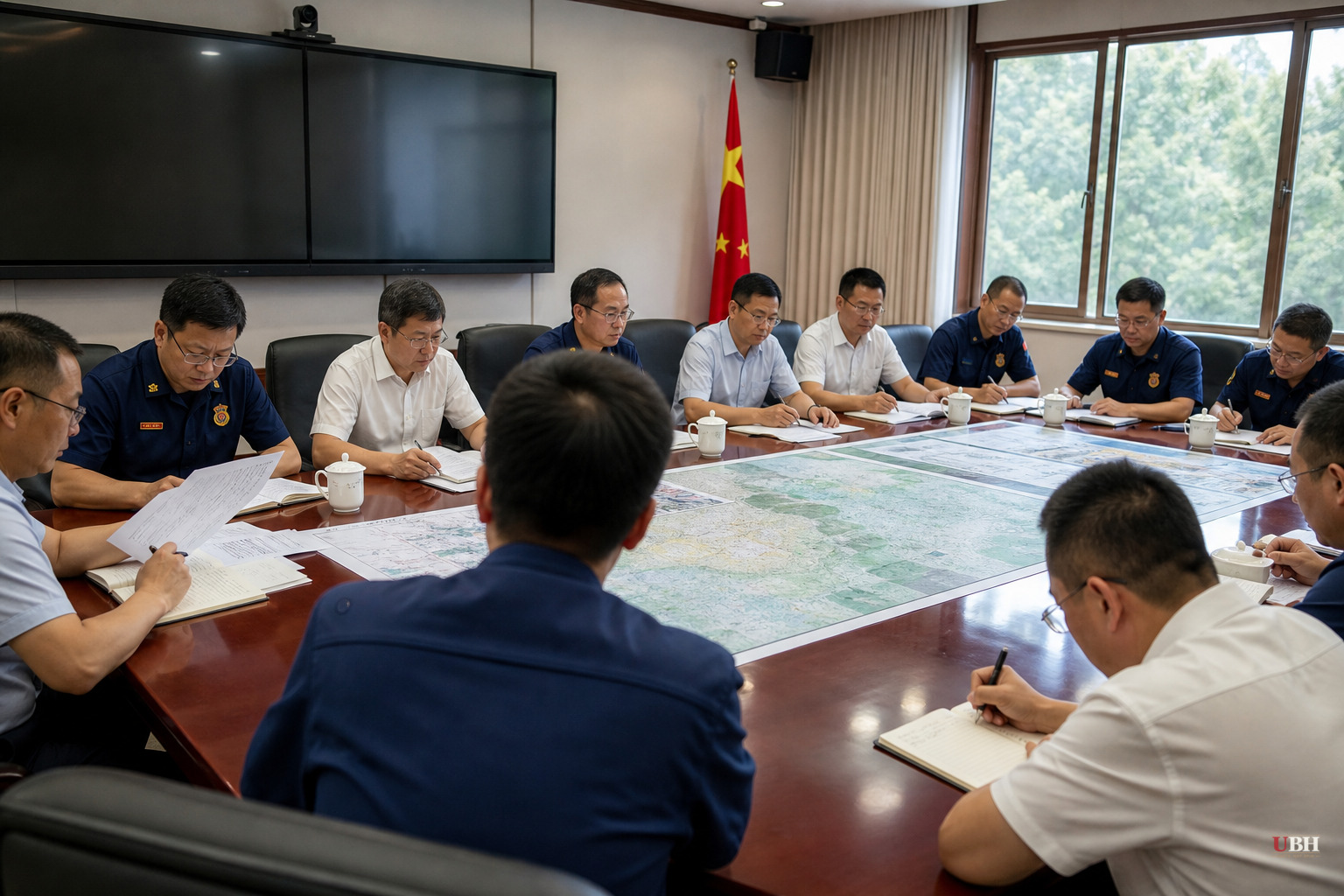
Chinese authorities in Pengshui County, outside Chongqing, said Thursday that the death toll from a July 17 landslide has climbed to 51, with 10 people still missing, according to a statement Pengshui officials posted on social media and reported by CNA. Search operations on land have ended. Dredging and recovery work in the nearby Wujiang River is continuing, according to the New York Post.
The disaster struck after torrential rain triggered a mountainside collapse that buried more than 10 residential buildings and a minibus at the foot of a slope in Pengshui, an area roughly 270 kilometers from downtown Chongqing known for its scenery. Rock and debris crushed a cluster of riverside homes and businesses below, according to Reuters reporting carried by HI-99.
The scale of the emergency response was significant. More than 1,080 rescue personnel took part in a 325-hour operation that involved underwater divers, robots searching the river, and controlled explosions to blast through boulders blocking access to buried structures, CNA reported, citing the Pengshui statement. Crews excavated more than 330,000 cubic meters of rock and debris. More than 1,100 residents were evacuated safely before or during the response.
Ten people were rescued alive from the wreckage, including three who were hospitalized and have since been discharged, according to both the New York Post and CNA. Ten more were injured. The death toll climbed steadily in the days after the collapse: Reuters reported on July 23 that the confirmed toll stood at 11 dead with 50 missing, after starting at 8 dead and 34 missing in the immediate aftermath. By Thursday, July 30, that gap had closed dramatically, with 51 confirmed dead and only 10 still unaccounted for.
State-run Xinhua reported as early as July 23 that "after multiple rounds of life detection and search, no signs of life remain," and said the operation had entered what officials called the "in-depth rescue stage," a shift from rescue to recovery. Rescuers cited extreme conditions working against them: massive boulders, elevation changes, cramped spaces, unstable slopes and high summer temperatures.
Pengshui officials said Thursday that efforts to support victims' families, handle relief, and manage resettlement are "progressing in an orderly manner," according to CNA. What that resettlement process looks like in practice, including compensation for displaced residents and rebuilding plans for the buried commercial street, has not been detailed in official statements so far.
The Pengshui landslide is not an isolated event this summer. A separate landslide in Gansu province, in northwestern China, struck less than two weeks earlier and buried 33 people, killing 21, according to CNA. Reuters noted that China is among the most landslide-prone countries in the world, with roughly 294 people killed nationwide over the past decade in at least five major landslide disasters. The deadliest of those remains the December 2015 collapse of a construction-debris pile at an industrial park in Shenzhen, which killed more than 70 people.
China's landslide vulnerability stems from geography and development pressure. Mountainous terrain across much of the country's south and southwest, combined with dense settlement in river valleys and floodplains, means heavy rain events regularly turn deadly. Critics of China's infrastructure and land-use planning have long argued that construction near unstable slopes and inadequate early-warning systems in rural counties like Pengshui contribute to the death tolls when disaster strikes. Chinese officials have not, in the sources reviewed here, addressed whether any zoning or construction permits were involved in the Pengshui site's vulnerability, and no independent investigation into contributing causes has been announced.
The search for the remaining 10 missing has shifted from the mountainside itself to the Wujiang River, where dredging crews are working to recover remains that may have been swept downstream. No timeline for concluding that phase of the operation has been given by Pengshui authorities as of Thursday.
Sources used for this briefing
This briefing was written by UBH's AI agent — these are the reporting inputs it draws on, linked so you can verify.


