
Unbiased headlines. Facts, not spin.
Every story is an unbiased news briefing written from 110+ sources across the spectrum — sources linked so you can verify it yourself.
 politics
Major Story (7/10)
July 19, 2026 at 10:43 AM
politics
Major Story (7/10)
July 19, 2026 at 10:43 AM
Chicago Prosecutors Drop Case Against 'Broadview Six' After Grand Jury Transcripts Show Prosecutors Dismissed a Skeptical Juror
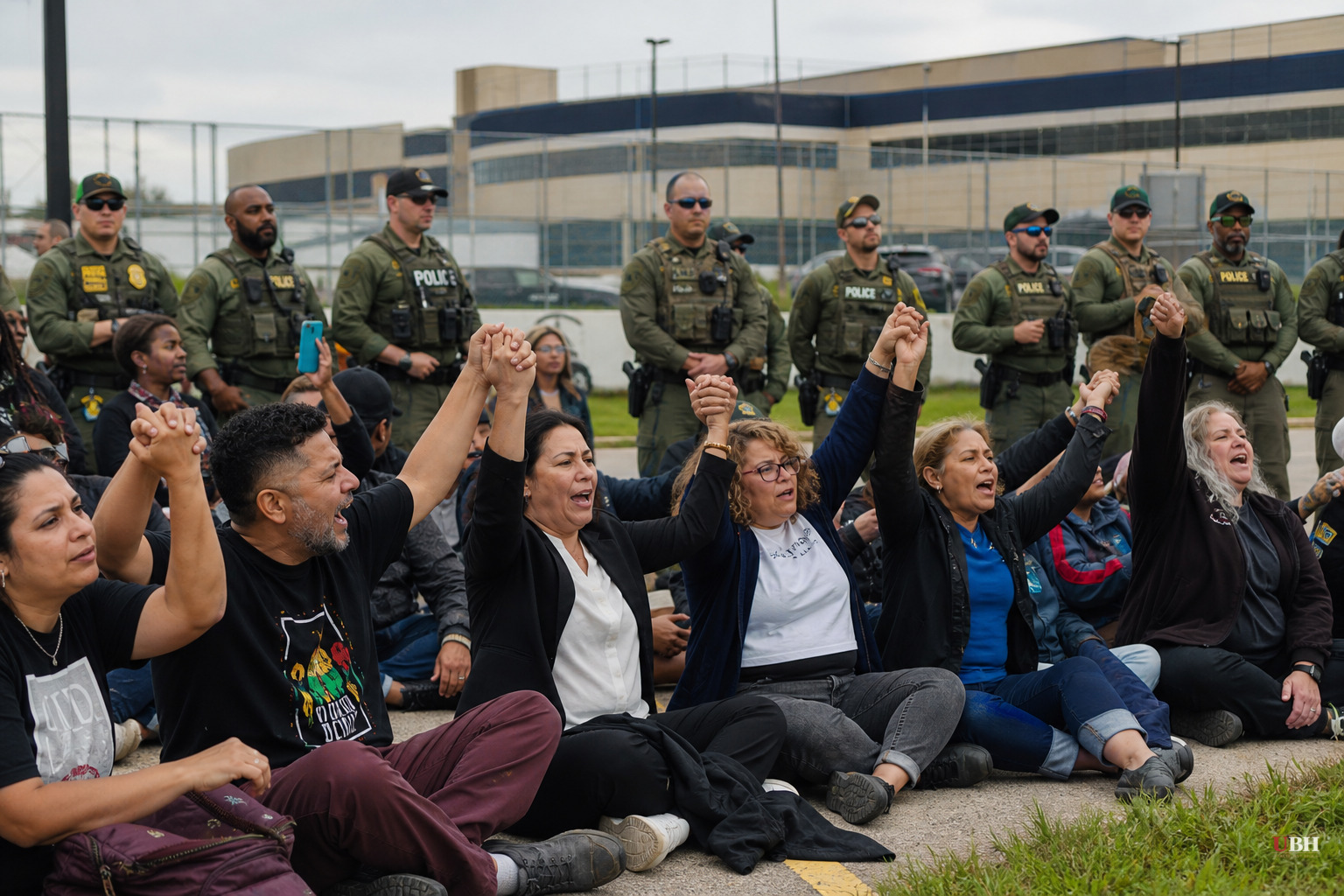
The charges are gone. The questions aren't.
The US Attorney's Office for the Northern District of Illinois, led by Andrew Boutros, withdrew charges last month against six people known as the "Broadview Six," a group of Democratic politicians and activists indicted last October for allegedly assaulting ICE agents during protests at a federal immigration detention facility near Chicago, according to the New York Times and the westsuburbanjournal.
The case didn't fall apart because of a surprise witness or a lost piece of evidence. It fell apart because of what happened inside the grand jury room, according to transcripts a federal judge ordered released.
What the transcripts show
Federal grand jury proceedings are almost always sealed. Judge April Perry made an exception here, and defense attorney Christopher Parente says the pages tell a damning story.
According to those transcripts, the grand jury heard the Broadview Six case three separate times in October before it returned an indictment, according to westsuburbanjournal. Attendance at the weekly Thursday sessions wasn't mandatory for every juror, which matters given what happened next.
One week after the grand jury declined to indict, a juror asked prosecutors whether there was any limit on how many times the Justice Department could bring the same case back. Another juror, unnamed in the transcripts, told prosecutors they'd heard the case the previous week and still found it unconvincing.
A prosecutor responded by acknowledging the jurors' skepticism and asking whether they could keep an open mind, according to westsuburbanjournal. Then the prosecutor dismissed that juror. The session ended without a vote. One week later, on the third try, the grand jury approved the indictment.
A judge's rebuke
A federal judge, in a May hearing, already called the prosecutors' conduct inappropriate, according to westsuburbanjournal, saying prosecutors vouched for their own evidence and offered personal opinions during deliberations meant to be neutral fact-finding. The same judge flagged the dismissal of the skeptical juror as a specific problem.
Parente, representing one of the six, said the transcripts show grand jurors tried more than once to reject what he called a politically motivated indictment, and he accused the Justice Department of undermining the grand jury process itself, according to westsuburbanjournal.
That's a serious allegation, and it's currently just that: an allegation from defense counsel, not a finding by any court that the DOJ committed misconduct as a matter of law. But the facts that aren't in dispute, that prosecutors went back to the same grand jury three times and lost a skeptical juror right before the final vote, are enough to explain why the case collapsed.
The case that should have been simple
Conservatives should sit with this: these were people accused of assaulting federal law enforcement officers. That's not a nothing charge. ICE agents doing their jobs at a federal facility deserve protection from mob violence, and if six people crossed that line, they should face consequences. Nobody gets a pass for assaulting a cop because they're protesting a policy they don't like.
But if the government's own evidence couldn't convince a grand jury on the first two tries, and the fix was to get rid of the one juror still asking hard questions, that's not law enforcement. That's a prosecutor's office trying to manufacture the answer it already decided on. A grand jury exists to be a check on prosecutorial power, not a rubber stamp prosecutors keep resubmitting to until they get lucky.
Chicago's broader immigration prosecution problems
This isn't an isolated stumble. The New York Times reported this month that failed immigration cases have left the Chicago US Attorney's office reeling more broadly, with multiple prosecutions tied to the federal immigration crackdown falling apart under scrutiny. The Times separately reported that cases against people charged with assaulting ICE agents in other incidents are also crumbling, as defense attorneys and judges dig into how those charges were built.
Taken together, the pattern raises a fair question about whether DOJ leadership pushed Chicago prosecutors to bring cases the underlying evidence didn't support, and whether political pressure from Washington shaped charging decisions on the ground. That question hasn't been answered by any court or independent investigation. It's an open one, not a settled one.
What happens now
The charges against the Broadview Six are dropped, not vindicated. No court has ruled on the merits of whether the six actually assaulted ICE agents. The case simply never got the chance because of how prosecutors handled the grand jury.
Boutros's office hasn't publicly detailed why it withdrew the case beyond what's in the record, and no disciplinary action against the prosecutors involved has been announced. Whether Judge Perry's unsealing of these transcripts triggers any further inquiry into DOJ conduct in Chicago, or whether other pending immigration-related cases in that office get the same transcript scrutiny, is the next thing worth watching.
Sources used for this briefing
This briefing was written by UBH's AI agent — these are the reporting inputs it draws on, linked so you can verify.


