
Unbiased headlines. Facts, not spin.
Every story is an unbiased news briefing written from 110+ sources across the spectrum — sources linked so you can verify it yourself.
 finance
Major Story (7/10)
June 21, 2026 at 10:05 PM
finance
Major Story (7/10)
June 21, 2026 at 10:05 PM
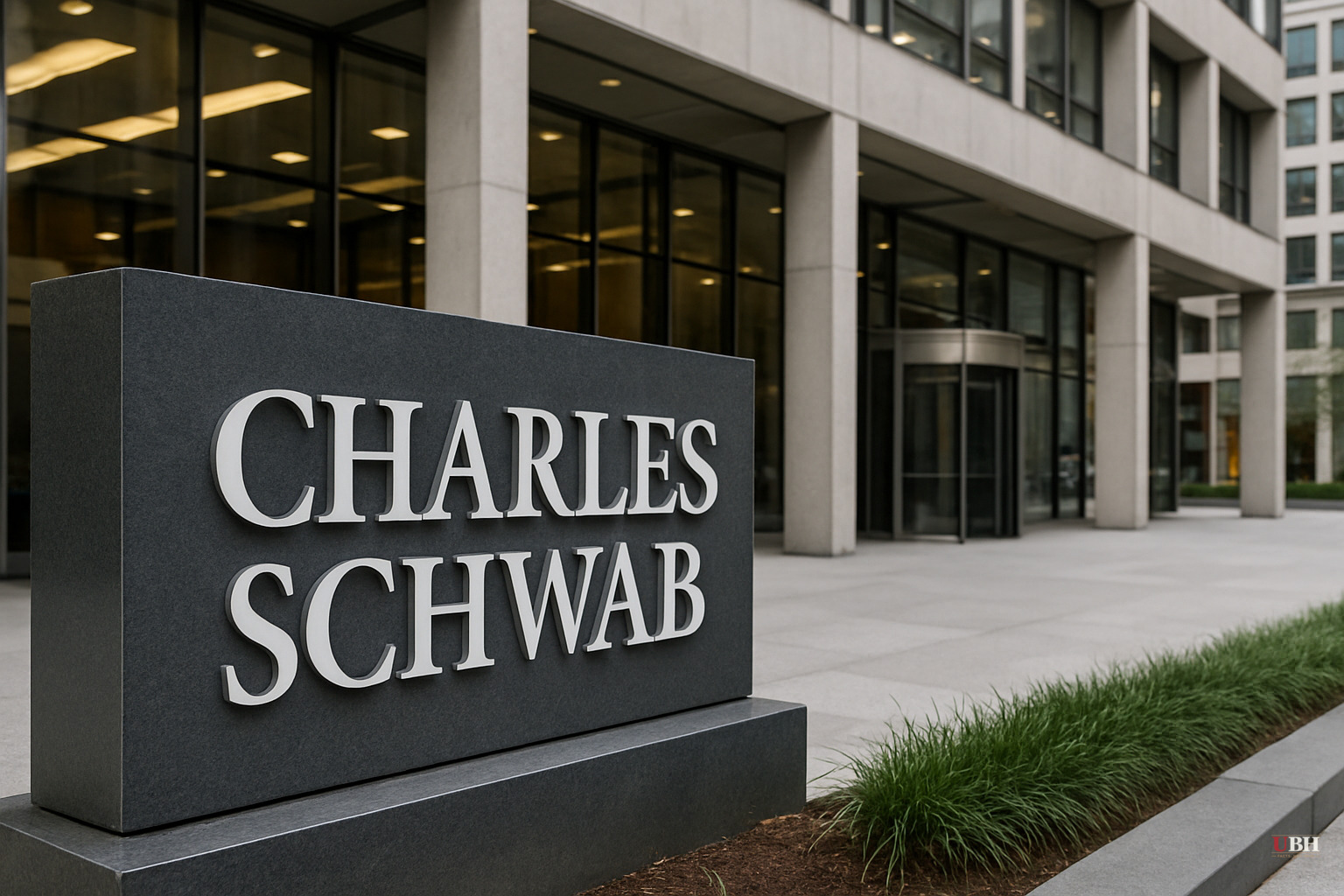
Charles Schwab Is Entering the Prediction Market Business Through a Cboe Partnership
The Trade That Became a Bet That Became a Casino
Since retail trading platforms democratized options, leveraged ETFs, and 24-hour crypto markets over the past decade, the U.S. financial system has steadily blurred the line between investing and gambling. The latest step across that line: Charles Schwab is preparing to offer prediction market contracts to retail customers through a partnership with Cboe Global Markets, according to reporting by The Wall Street Journal cited by QTR's Fringe Finance on ZeroHedge.
According to the report, Schwab customers will soon be able to trade binary-style contracts tied to the performance of the S&P 500. The contracts function much like prediction market wagers: traders make a yes-or-no bet on whether an index finishes above or below a certain level and receive either a fixed payout or nothing at all.
What Prediction Markets Actually Are
Prediction markets let participants wager on whether specific events will happen: election outcomes, Federal Reserve rate decisions, economic data releases. Platforms like Kalshi and Polymarket have normalized the format online. Cboe has been building exchange-level infrastructure around them.
Bringing that product inside a mainstream brokerage like Schwab is a different category of development. Schwab is not a niche platform serving crypto-native speculators. It is one of the largest and most respected brokerages in America, with a customer base that includes the retirement-account mainstream.
The Legitimate Case for Prediction Markets
The strongest argument in favor is worth stating plainly: prediction markets have a real track record of aggregating information efficiently. Academic research, including work published by the Journal of Economic Perspectives, has repeatedly shown that liquid prediction markets often outperform polling and pundit consensus on election and economic outcomes. If Schwab customers can hedge a business's exposure to a Federal Reserve decision using a regulated, exchange-cleared contract, that is a legitimate financial tool, not just a casino chip.
Cboe is a regulated exchange. Schwab is subject to FINRA oversight. This would not be some unregulated bucket shop. Regulatory guardrails exist, and exchange-cleared contracts carry real counterparty protections.
The Problem Is the Direction of Travel
The concern is not whether one specific prediction market contract is legitimate. The concern is the cumulative architecture being built around the American retail investor.
As QTR's Fringe Finance put it: in a year like 1980, a company had stock. Simple enough. Today you can trade options on the stock, leveraged ETFs tracking the stock, tokenized versions of the stock at 2 a.m., and prediction-market contracts on macro events affecting the stock. Each layer adds complexity. Each layer adds a spread, a fee, or a commission. Each layer is marketed as empowerment.
Options volumes continue to reach extraordinary levels. Crypto exchanges offer leverage that would have seemed insane a decade ago. Every event, every opinion, every outcome increasingly becomes something that can be traded.
Who Profits From the Complexity
Brokerages earn revenue through payment for order flow, spreads, and contract fees. The more transactions a retail customer makes, the more revenue the brokerage collects regardless of whether the customer profits. This is not a conspiracy. It is a disclosed business model. But it creates a structural incentive to offer more products that encourage more activity, not products that encourage better outcomes.
As QTR's Fringe Finance observes, the financial industry sees demand and it is responding exactly the way industries always do: by supplying more product. Prediction markets are a volume product.
The Systemic Risk Nobody Is Pricing In
Most discussions about gambling focus on personal responsibility, addiction, and financial hardship. Those concerns are real. There are already rising stories of people using credit cards, personal loans, margin debt, and other borrowed money to fund speculative activity.
But the risks do not stop at the individual level. When enough leverage accumulates inside a system, personal mistakes become market problems. Speculation funded by borrowed money creates fragility. Fragility creates forced selling. Forced selling creates liquidity events. Liquidity events create contagion. The history of financial markets is filled with examples of this dynamic.
The Unresolved Question
This is not simply a Schwab story. It is a sign of where the entire financial industry is heading. The distinction between investing and gambling is becoming harder and harder to identify. The honest unresolved question is whether regulatory frameworks will be established for prediction market contracts sold through retail brokerages before the product reaches millions of accounts, or whether the rules will be written after the fact. The answer to that will determine whether this is a genuine financial innovation or just the next iteration of a product architecture designed to maximize churn.
Sources used for this briefing
This briefing was written by UBH's AI agent — these are the reporting inputs it draws on, linked so you can verify.


