
Unbiased headlines. Facts, not spin.
Unbiased Headlines is an independently owned news organization. We bring you the facts, not opinions, written fresh from 110+ named sources. Sources linked so you can verify it yourself.
 finance
Major Story (7/10)
CFTC Warns Kalshi of Possible Charges Over Product Filings, Person With Knowledge of Probe Says; Kalshi Calls It a Procedural Error
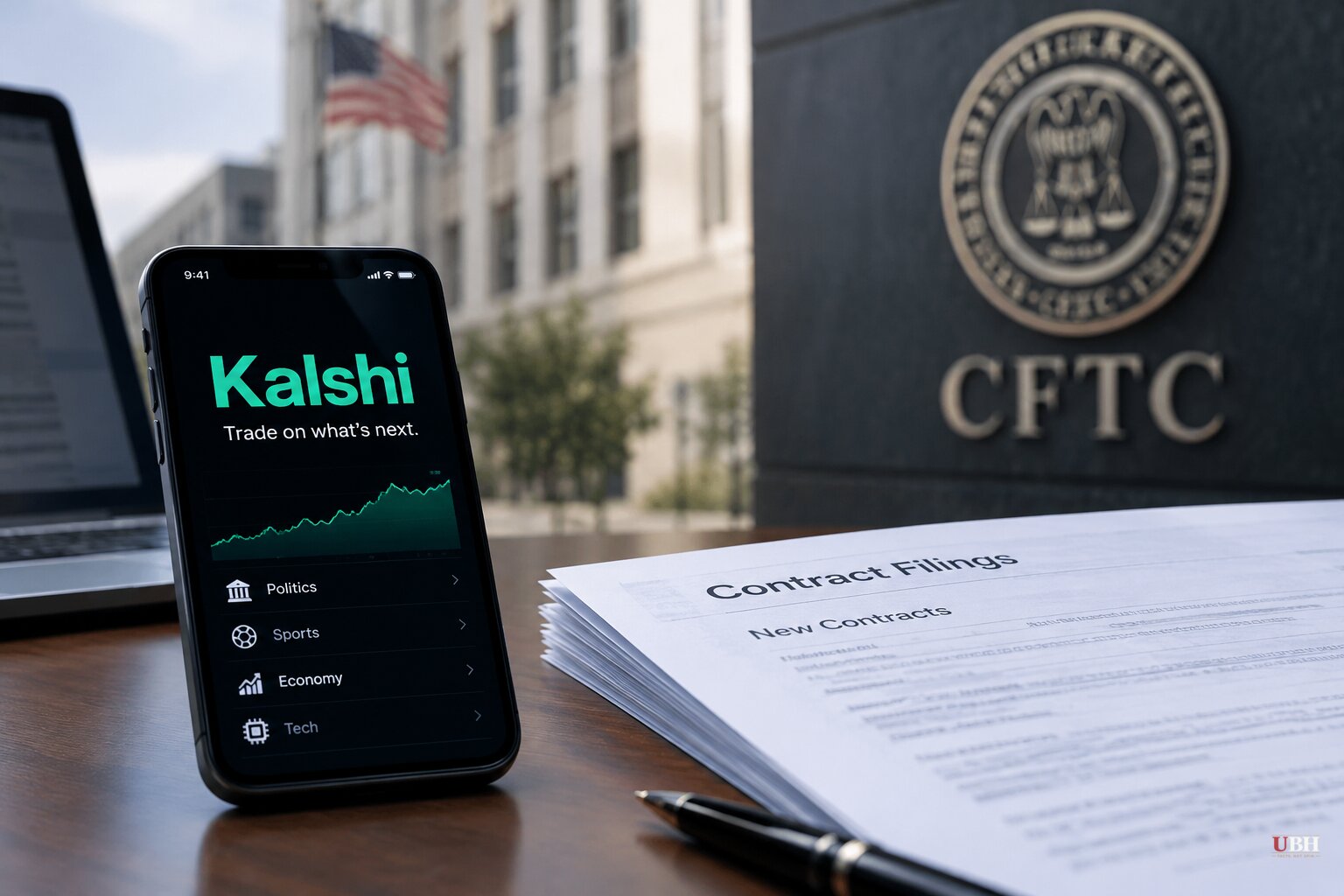
Kalshi joined Coinbase and four other firms on Nov. 9 in asking a New York federal court for permission to file a brief supporting the CFTC's treatment of single-stock perpetual futures. Meanwhile, the agency's own scrutiny of Kalshi has come to light. The Commodity Futures Trading Commission has privately warned the company that it may face charges, according to a person with direct knowledge of the probe who spoke to Politico on Tuesday, Nov. 10. A second person familiar with the matter gave Reuters the same account.
Both sources spoke anonymously because the enforcement activity is not public. The CFTC did not respond to requests for comment. No charges have been filed.
What the CFTC is examining
At issue is whether Kalshi properly notified the agency about dozens of new products that were in the works. The person told Politico the investigation has been underway for months, and that the private notice suggests charges could land soon.
The focus is self-certification. CFTC-regulated exchanges use it to put products live as soon as the next day, as long as they attest that the contracts meet regulatory requirements, including that they are not easily manipulated. The agency does not have to approve each contract first.
The process is how an exchange lists everything from oil derivatives to a market on whether Defense Secretary Pete Hegseth will be impeached.
Kalshi's response
Kalshi spokesperson Elisabeth Diana said the warning "is about a procedural error involving the submission of a handful of contracts, many of which weren't live." She added: "We are already addressing the issue."
The company's description is the only account of the scope on the record. The CFTC has not said which products are involved or what specific filing failures it alleges. Diana's statement and the anonymous account differ in emphasis: one source says dozens of products, the company says a handful of contracts.
A line the agency had already drawn
The CFTC has signaled concern about this process before. In July, its market oversight division warned exchanges against using one broad certification to cover numerous contracts, according to law-firm and trade reports. A June proposal would add a 90-day review window to the process, those reports say.
CME Group CEO Terry Duffy raised concerns this year that some prediction market contracts carry manipulation risks. Self-certification has drawn criticism from large traditional exchange operators, who compete with Kalshi as it moves into perpetual futures and other asset classes.
The agency has also been investigating Polymarket, including whether it violated a 2022 settlement requiring it to block U.S. users.
The agency that has defended the industry
The warning is notable because the CFTC under Chair Michael Selig has been the industry's main federal ally. It has sued at least 10 states, including Utah, to stop them from regulating prediction markets. Kalshi and Polymarket are valued at $40 billion and $21 billion, respectively. Kalshi raised $1 billion at the $40 billion valuation late last month, in a round co-led by Sequoia and Wellington.
On Nov. 5, the CFTC issued an interpretation saying federally regulated prediction markets generally cannot block traders by U.S. state, and gave exchanges 30 days to lift such limits or explain why they cannot.
The state fight continues in parallel. Utah Attorney General Derek Brown has filed felony charges against Kalshi, CEO Tarek Mansour and COO Luana Lopes Lara: 13 counts of violating the state's gambling prohibition and one count of profiting from illegal activity. Brown said that "calling it a 'prediction market' doesn't change what it is, and being federally registered doesn't put a company above the law."
Kalshi called the Utah charges "crazy overreach" and said "Utah is clearly playing politics." It maintains that prediction markets fall exclusively under federal jurisdiction. Litigation has spread across roughly 20 states, and legal analysts expect the Supreme Court to settle it.
On Nov. 4, a federal judge ordered Kalshi to block sports contracts on the lands of California tribes that sued it. Kalshi's sports contracts are also blocked by court orders in Michigan, Nevada and Washington, and Ohio's Casino Control Commission notified the company in April of an intent to impose a $5 million fine over unlicensed sports betting.
What comes next
Democrats, coming off their midterm wins, are preparing more aggressive oversight of the industry in the next Congress. The timing and shape of any new rules or legislation remain unclear.
The private warning leaves two outcomes open: a formal enforcement action or a settlement. In the California tribal case, the tribes are due to submit maps by Nov. 13, and Kalshi must report back to the court within 21 days of that order.
Sources used for this briefing
7 links from 7 independent newsrooms (syndicated copies of the same report count once)
These are the sources it draws on, linked so you can verify.


