
Unbiased headlines. Facts, not spin.
Every story is an unbiased news briefing written from 110+ sources across the spectrum — sources linked so you can verify it yourself.
 finance
Notable (6/10)
August 11, 2026 at 10:12 PM
finance
Notable (6/10)
August 11, 2026 at 10:12 PM
CFTC Orders Kalshi to Keep Operating in New York as $36 Billion Lawsuit Moves to Federal Court
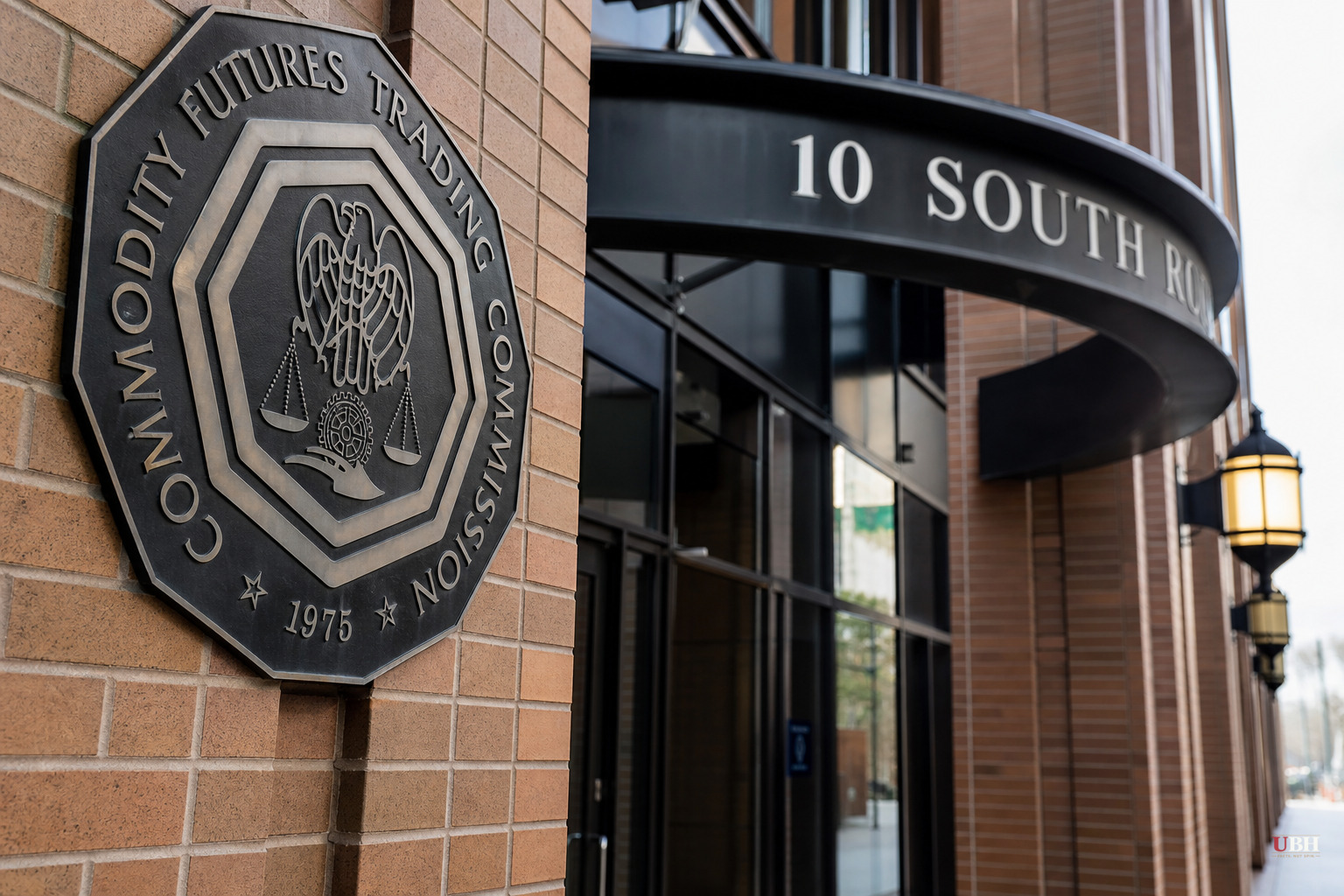
Since New York Attorney General Letitia James and Governor Kathy Hochul filed their lawsuit against Kalshi just after midnight on July 31, the fight has moved fast. Kalshi yanked the case into federal court within hours, and by August 11 the Commodity Futures Trading Commission had issued an emergency order directing Kalshi to keep operating in New York while the legal fight plays out, according to Crypto Briefing.
The CFTC acted after Kalshi declared a market emergency tied to the New York suit. It means the federal government told a state attorney general, in effect, that her attempt to shut down a CFTC-regulated exchange isn't happening yet.
New York's case is aggressive by design. The state wants at least $36 billion in compensatory damages, according to Front Office Sports and crypto.news, a figure built from restitution, treble damages under Penal Law Section 80.10, and $100,000 fines for every allegedly unauthorized sports wager Kalshi offered in the state. Crypto.news notes that number is roughly 1.6 times Kalshi's reported valuation. The damages claim exceeds the company's valuation. The state's legal theory has real teeth. James alleges Kalshi let users aged 18 to 20 place bets when New York requires mobile sports bettors to be at least 21. Investigators reportedly placed test wagers themselves, four "Yes" contracts on a UConn-Michigan basketball game in April 2026 and ten contracts on the winner of Big Brother in July 2026, according to crypto.news, both completing without any age or residency obstruction. If true, it represents a legitimate consumer-protection gap. New York also points to Kalshi's own reported figures, cited in the state's petition per KuCoin: a $22 billion valuation, $178 billion in annualized transaction volume, and a claim that Kalshi could generate nearly $10 billion in state tax revenue over five years if properly licensed and taxed. James's argument, distilled: this is a company avoiding gambling taxes and age verification requirements that every licensed New York sportsbook has to follow, dressed up in derivatives-exchange language. "No matter what they call themselves, prediction markets like Kalshi are gambling platforms, plain and simple," James said.
Kalshi's defense rests on federal preemption. CEO Tarek Mansour told CNBC on August 3 that Kalshi is a CFTC-registered designated contract market where users trade against each other and Kalshi collects fees for matching orders, comparing it to how Nasdaq functions. He said if New York's logic held, the state could "copy and paste" the lawsuit and sue Nasdaq. A Kalshi spokesperson called the suit "political theater" and said it would just push New Yorkers to offshore, unregulated platforms instead.
CFTC Chairman Michael Selig, a Trump appointee, backed that framing directly, posting on X that James and New York are trying to force "an unprecedented sudden shutdown of prediction markets nationwide" rather than let courts settle the jurisdictional question.
The timing matters. Four days before New York filed, on July 27, federal judge Katherine Menendez blocked Minnesota from enforcing a new law that would have made operating a prediction market a felony, according to Forbes. The plaintiffs in that case included Kalshi, Polymarket's U.S. exchange, and the United States government itself through the CFTC. Same legal question, same week, opposite jurisdiction, opposite result. Forbes also reports that 44 state attorneys general have pushed back on CFTC authority in this fight, arguing the commission is overstepping into territory states have regulated for decades.
Kalshi has been here before. New York's Gaming Commission issued a cease-and-desist letter back in October 2025. Kalshi sued the state over it, lost a bid for emergency relief when the Second Circuit denied its request on July 29, 2026, and New York filed the current $36 billion suit within 48 hours of that denial, per crypto.news. This isn't New York's opening move. It's an escalation after losing a smaller procedural fight.
A New York Supreme Court justice treated the state's request for a preliminary injunction as moot once Kalshi removed the case to federal court, a development flagged by gaming-law attorney Daniel Wallach. A federal judge could send the case back to state court, and if so, New York can refile its injunction request from scratch.
The unresolved question is the one courts across multiple states are now wrestling with simultaneously: does a CFTC license shield an exchange from state gambling law, or does New York's Wire Act count and gambling statutes reach it regardless? Massachusetts and dozens of other states are reportedly lining up behind similar theories, per crypto.news. Congress could settle this by statute. So far it hasn't, which means the answer is going to come from whichever circuit court rules first, and right now that's a coin flip.
Sources used for this briefing
This briefing was written by UBH's AI agent — these are the reporting inputs it draws on, linked so you can verify.


