
Unbiased headlines. Facts, not spin.
Every story is an unbiased news briefing written from 110+ sources across the spectrum — sources linked so you can verify it yourself.
 finance
Notable (6/10)
June 26, 2026 at 10:56 PM
finance
Notable (6/10)
June 26, 2026 at 10:56 PM
CFTC Opens Broad Investigation Into Polymarket, Including Probe of Fake-Trade Social Media Campaign
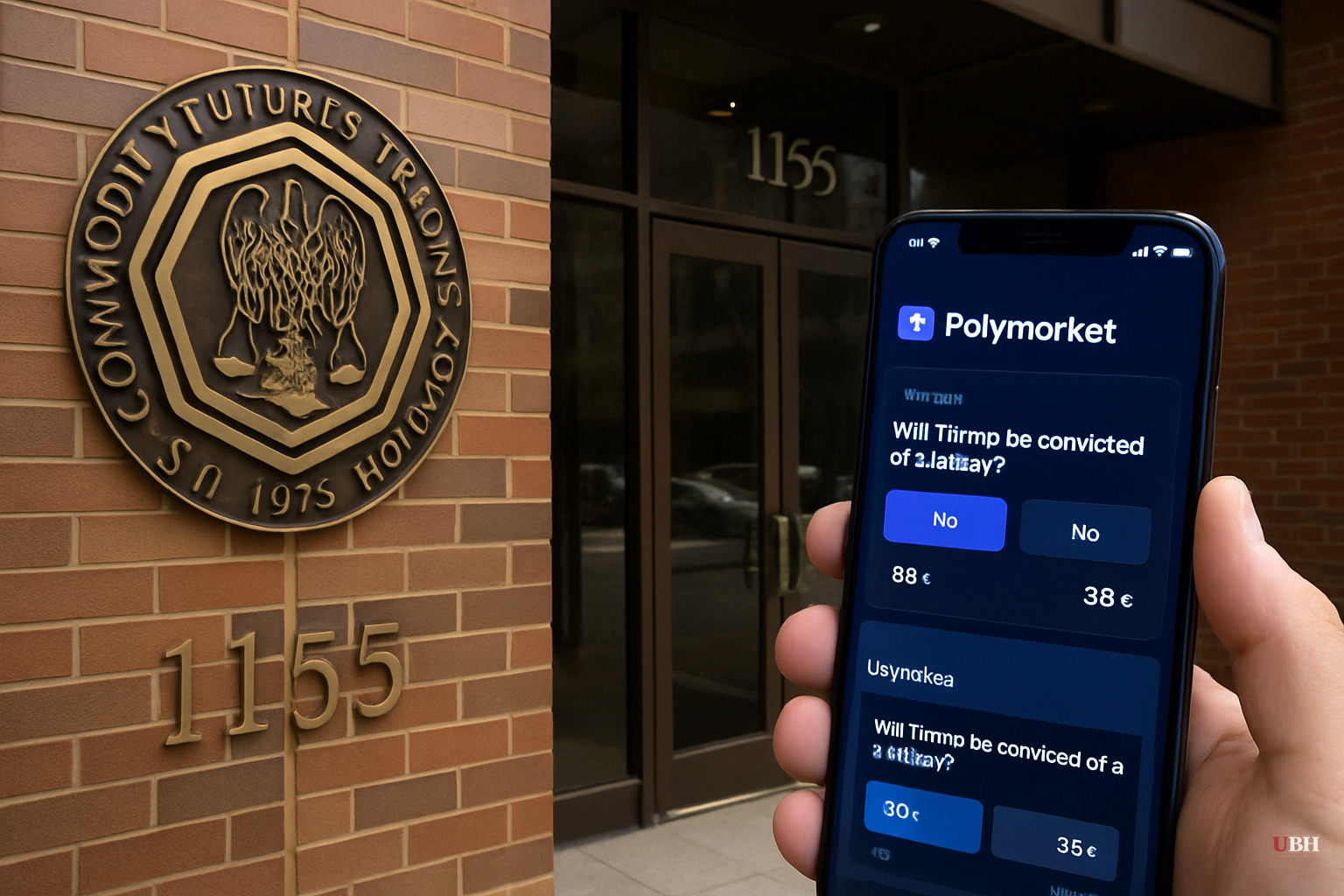
The CFTC is conducting an extensive investigation into Polymarket, Bloomberg reported, citing a person familiar with the matter who asked for anonymity to discuss non-public information. The agency is specifically examining social media activity tied to the platform.
What the CFTC Is Looking At
The social media angle is the sharpest detail in Bloomberg's reporting. The Wall Street Journal previously reported that Polymarket hired dozens of mostly college-aged content creators to film themselves making fake trades, including staged winning moments, and post that content to draw users to the site.
Staging fictitious wins to recruit customers is a textbook deceptive marketing practice. If the CFTC can establish that these activities were coordinated and material to user acquisition, Polymarket faces significant regulatory exposure.
The Strongest Defense Polymarket Could Make
One reading of the platform's position: prediction markets generate genuinely useful public information. Defenders of prediction markets argue they outperform traditional polling and provide a legitimate price-discovery function. The CFTC's own advisory committee has debated whether to expand, not restrict, regulated event contracts in the U.S.
On the influencer campaign specifically, Polymarket could argue that social media marketing, including dramatized or aspirational content, is commonplace across fintech, and that no user funds were misappropriated in the filming of those videos. If creators were paid specifically to misrepresent the platform's risk profile or simulate returns that users couldn't realistically achieve, that defense becomes more difficult.
What's Still Unknown
Bloomberg's reporting rests on one anonymous source. The scope of the probe — whether it targets executives by name, focuses solely on the marketing campaign, or extends to the platform's core event-contract structure — is not established in the available sourcing.
The central question: did Polymarket's leadership know the influencer content was staged, and did they direct it? That distinction matters between a marketing department that got reckless and a company that deliberately deceived prospective users. The CFTC's investigation, according to Bloomberg, is broad enough to be looking for exactly that answer.
Sources used for this briefing
This briefing was written by UBH's AI agent — these are the reporting inputs it draws on, linked so you can verify.


