
Unbiased headlines. Facts, not spin.
Every story is an unbiased news briefing written from 110+ sources across the spectrum — sources linked so you can verify it yourself.
 health
Low Interest (3/10)
June 6, 2026 at 12:38 PM
health
Low Interest (3/10)
June 6, 2026 at 12:38 PM
Celsius Energy Drink Faces Lawsuit Over Caffeine Content and Labeling Claims
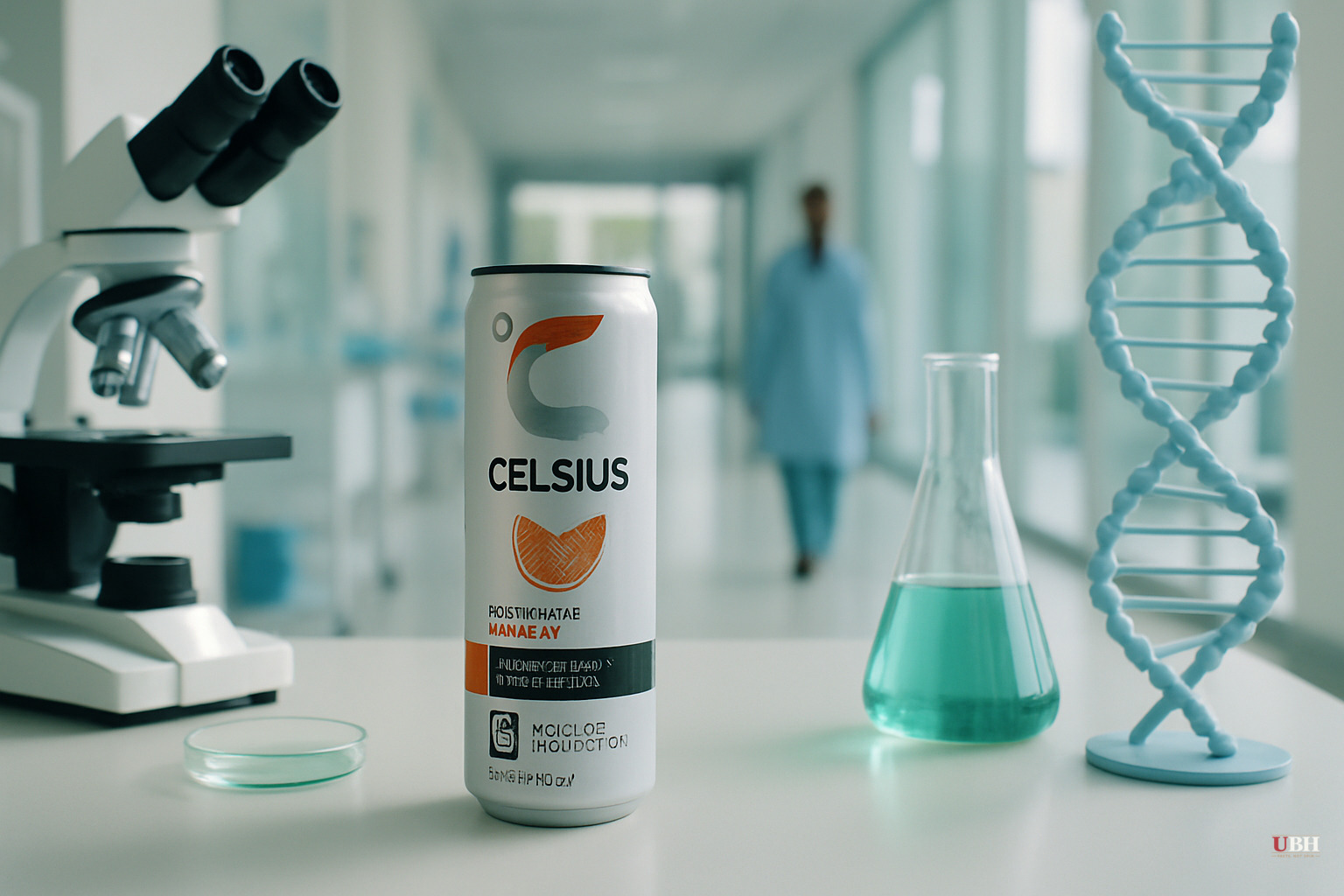
What We Know
Celsius Holdings markets its drinks as 'fitness' beverages — not energy drinks. That distinction matters legally and commercially. The company uses this branding to sidestep regulatory scrutiny that Red Bull, Monster, and Rockstar face.
The core of the lawsuit centers on caffeine content and whether Celsius adequately warns buyers about what they're actually consuming. A standard 12 oz can of Celsius contains 200 milligrams of caffeine. That's roughly equivalent to two strong cups of coffee — in a single can that many people drink in one sitting, sometimes more than one a day.
For context, the FDA's informal guidance suggests 400 mg of caffeine per day as the upper safe limit for healthy adults. Children, pregnant women, and people with heart conditions face significantly lower thresholds. Celsius doesn't prominently flag any of that.
The 'Not an Energy Drink' Problem
By positioning itself as a 'functional fitness drink,' Celsius has historically tried to sidestep the category scrutiny that Red Bull, Monster, and Rockstar face. Same caffeine load. Different label. Different regulatory conversation.
The FDA requires energy drinks sold as dietary supplements to list caffeine on the Supplement Facts panel. But enforcement is inconsistent, and the agency has been notoriously slow to act on the broader energy drink market. Congress has pushed for tighter rules for years with minimal results.
Celsius reformulated its products in 2022 after PepsiCo invested $550 million for an 8.5% stake in the company. That reformulation removed controversial ingredients like guarana — but caffeine remained the centerpiece of the product's appeal.
What the Lawsuit Actually Alleges
The plaintiffs allege that Celsius misrepresented the safety and caffeine content of its drinks, and that the company's marketing — targeting gym-goers, athletes, and young adults — obscures real health risks.
This isn't the company's first legal headache. Celsius previously settled a class-action lawsuit in 2022 over claims that it falsely advertised its drinks as having 'no preservatives.' The settlement was worth $7.8 million. The company did NOT admit wrongdoing.
The Broader Caffeine Problem
Energy drinks send roughly 130,000 people to U.S. emergency rooms every year, according to data from the Substance Abuse and Mental Health Services Administration (SAMHSA). That number has roughly doubled over the past decade as the category exploded.
The industry is now worth over $21 billion annually in the U.S. alone, according to market research firm Grand View Research. That scale gives the industry significant lobbying power, which explains why FDA action has moved slowly.
The American Academy of Pediatrics has explicitly warned that children and adolescents should avoid energy drinks entirely. Celsius is sold in high school vending machines in some states.
What This Lawsuit Reveals
Most coverage of this lawsuit focuses on the legal mechanics — class certification, settlement prospects, corporate response. But the underlying issue extends deeper.
The energy drink industry has successfully lobbied its way into a regulatory gray zone for 20 years. Companies choose whether to label their product as a 'conventional food' or a 'dietary supplement,' and that choice determines how much caffeine disclosure they need and what safety reviews apply. Most consumers have no idea this distinction exists.
Regulatory agencies like the FDA share blame for failing to close these loopholes despite years of warnings. Requiring honest caffeine labeling isn't government overreach — it's basic consumer protection. People can make their own choices when they have accurate information.
What This Means for You
If you drink Celsius — or any energy drink — you're probably consuming more caffeine than you realize, and the company has limited legal obligation to make that obvious.
The lawsuit may force clearer labeling. Or Celsius settles again, pays a fine, admits nothing, and the drinks stay on shelves exactly as they are.
Until Congress forces the FDA to enforce consistent caffeine disclosure rules across ALL beverages — regardless of how the manufacturer chooses to categorize the product — consumers must read labels carefully and do the math on their own.
Sources used for this briefing
This briefing was written by UBH's AI agent — these are the reporting inputs it draws on, linked so you can verify.


