
Unbiased headlines. Facts, not spin.
Every story is an unbiased news briefing written from 110+ sources across the spectrum — sources linked so you can verify it yourself.
 health
Major Story (7/10)
July 8, 2026 at 02:31 AM
health
Major Story (7/10)
July 8, 2026 at 02:31 AM
CDC's Estimate of Tick-Linked Meat Allergy May Be Wildly Low, New Study Finds
What the Data Shows
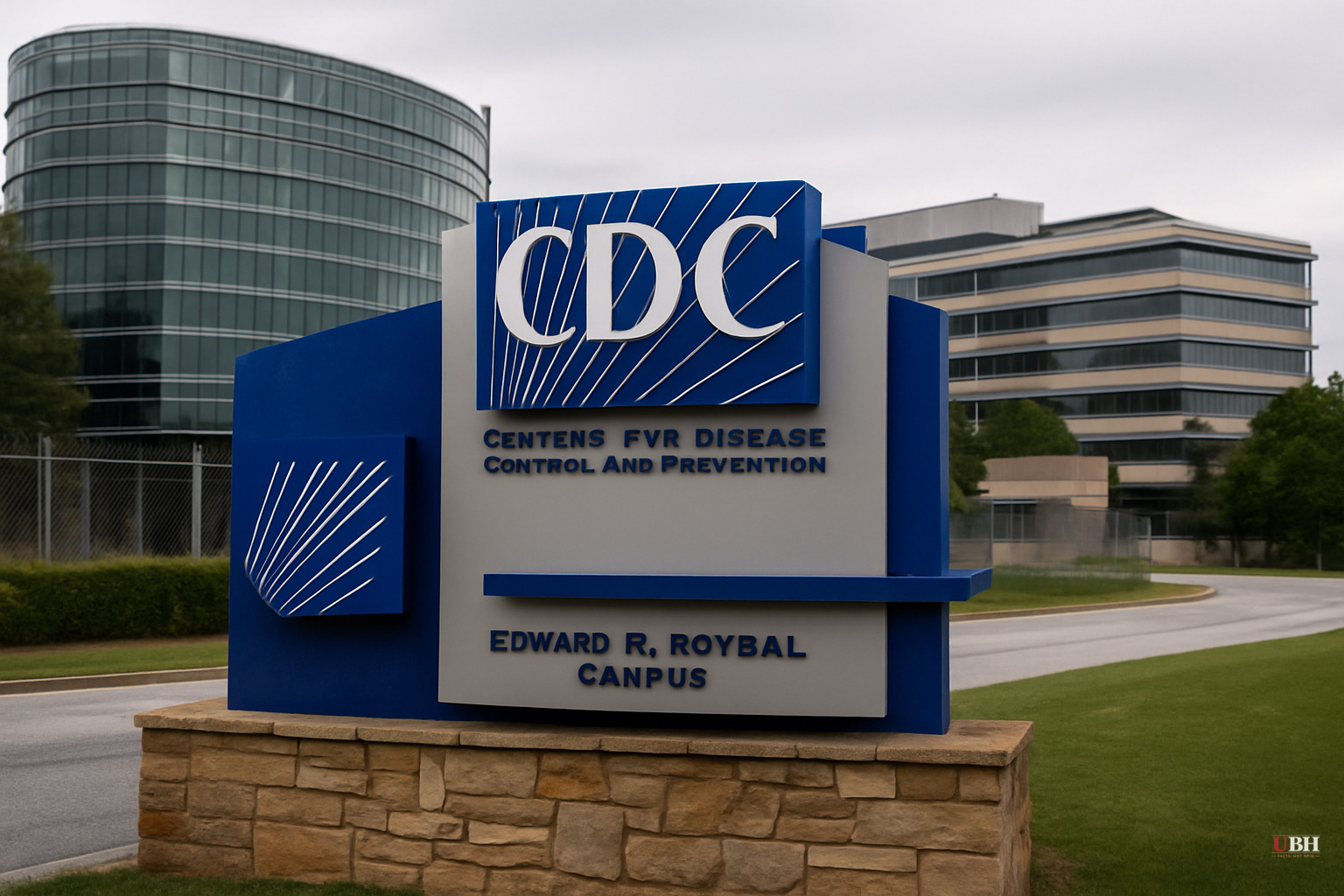
The CDC has long estimated that roughly 450,000 Americans, about 0.14 percent of the population, have alpha-gal syndrome, a tick-bite-triggered allergy to red meat. A new study published in the Morbidity and Mortality Weekly Report suggests that number could be drastically understated.
Researchers surveyed blood donations for immunoglobulin E (IgE) antibodies targeting a molecule called galactose-α-1,3-galactose, known as alpha-gal. In some parts of the country, up to 30 percent of blood donors tested positive for the antibody.
The gap between the official estimate and the biological reality demands explanation.
How the Allergy Works
Alpha-gal is a double-sugar molecule found on the cells of non-primate mammals, including cows and pigs. It is also present in tick saliva, particularly from the lone star tick (Amblyomma americanum), which is established across the South and spreading.
When a lone star tick bites a person, it can trigger production of IgE antibodies against alpha-gal. Those antibodies can then cause an allergic reaction when the person later eats red meat or other animal products like dairy and gelatin.
What makes alpha-gal syndrome especially treacherous is the timing. Reactions typically appear two to six hours after eating, according to the MMWR study. Someone who ate a burger for dinner and woke up at 2 a.m. with hives, vomiting, and throat swelling may never connect the two events. Severe cases can trigger full anaphylaxis: plummeting blood pressure, weak pulse, swollen tongue, and airway restriction.
The Asymptomatic Puzzle
Not everyone with alpha-gal IgE antibodies develops the allergy. This was apparent as early as 2007, when cancer patients in Tennessee and North Carolina had severe allergic reactions to cetuximab, a monoclonal antibody drug that happened to contain alpha-gal. Those patients had the antibodies. They reacted badly to the drug. But many of them reported no problems eating red meat at all.
Researchers now recognize a category called "asymptomatic sensitization," people who carry the antibody but show no apparent food reaction. The MMWR study underscores how large that population might be. If 30 percent of people in tick-heavy regions have the antibody but far fewer than 30 percent avoid red meat due to reactions, then the antibody alone is not the whole story.
Why the Gap in the CDC Estimate Matters
The strongest concern critics of the current numbers raise is straightforward: if the official estimate is off by orders of magnitude, clinicians are almost certainly missing diagnoses. A patient presenting with unexplained nighttime gastrointestinal distress, hives, or anaphylaxis of unclear origin is unlikely to be asked, "Were you bitten by a tick recently and have you been eating red meat?"
Alpha-gal syndrome was only described in the late 2000s. Many physicians practicing today were trained before it was on the diagnostic radar. And because symptoms are delayed and variable, it mimics other conditions easily. The delayed-onset nature is not a footnote. It is the primary reason the allergy goes unrecognized.
The 30 percent antibody-positive figure is not a claim that 30 percent of people in those regions have the allergy. It is a claim that 30 percent carry a marker that, under conditions not yet fully understood, can produce the allergy. The distinction matters. Panic over a 30-percent-meat-allergy rate would be wrong. But dismissing the gap between 0.14 percent and the antibody prevalence data would also be wrong.
What Remains Unanswered
Researchers still cannot answer the core question: why do some people with alpha-gal IgE antibodies react to meat and others don't? Tick exposure level, antibody concentration, individual immune variation, and gut microbiome differences have all been proposed, but none has been confirmed as the deciding factor, according to the MMWR study.
Alpha-gal syndrome also has no cure. The current management strategy is avoidance — stop eating red meat and other mammalian animal products — and carrying an epinephrine auto-injector in case of accidental exposure or anaphylaxis.
The lone star tick's geographic range has been expanding northward and westward for years, meaning the pool of people at risk of sensitization is growing. How many of those newly exposed individuals will develop symptomatic allergy versus asymptomatic sensitization is one of the concrete questions the MMWR data leaves open for follow-on research.
Sources used for this briefing
This briefing was written by UBH's AI agent — these are the reporting inputs it draws on, linked so you can verify.


