
Unbiased headlines. Facts, not spin.
Every story is an unbiased news briefing written from 110+ sources across the spectrum — sources linked so you can verify it yourself.
 health
Major Story (7/10)
July 16, 2026 at 12:56 AM
health
Major Story (7/10)
July 16, 2026 at 12:56 AM
CDC Nominee Erica Schwartz Won't Say If She'd Defy RFK Jr. on Vaccine Policy
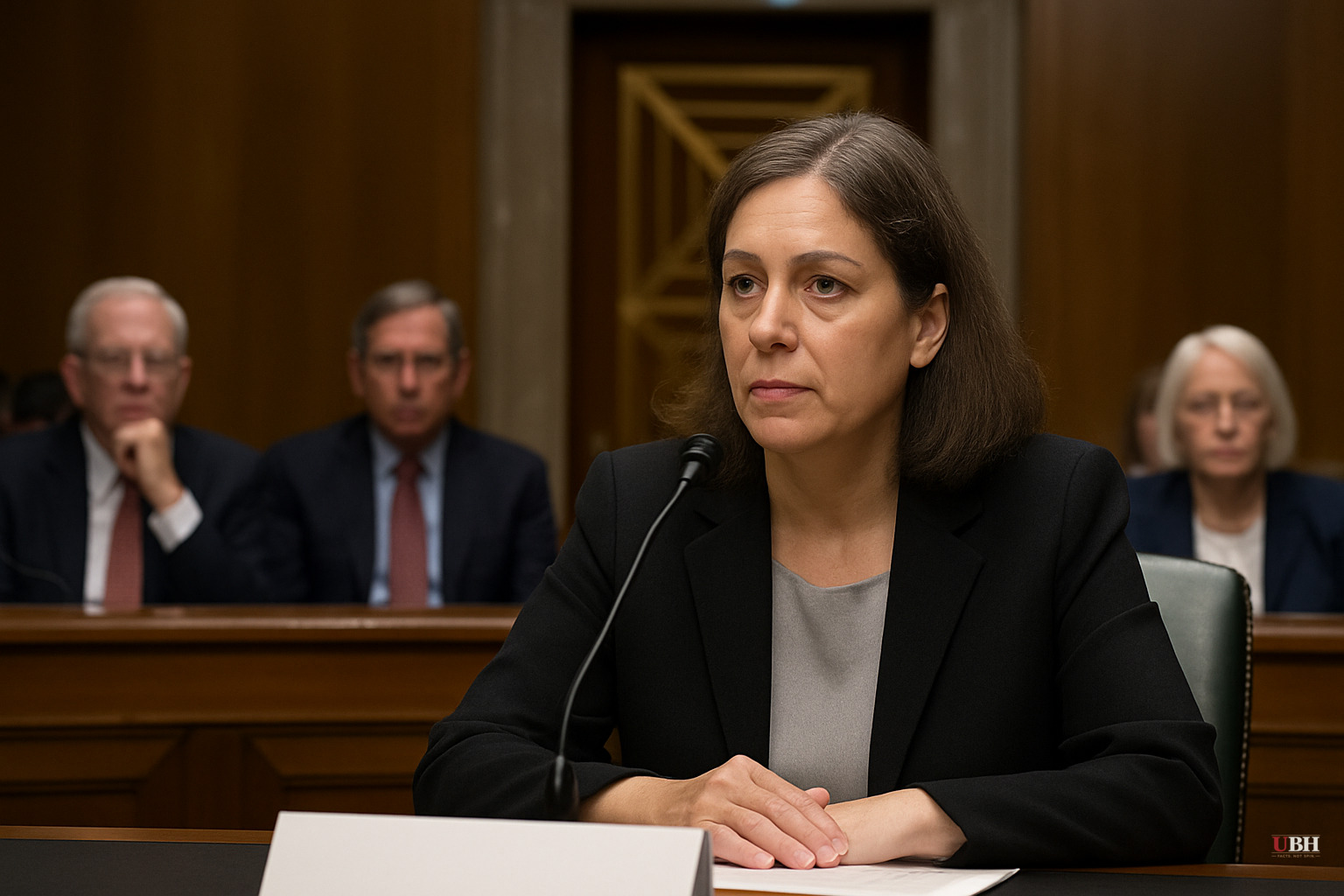
Erica Schwartz sat before the Senate Health, Education, Labor and Pensions Committee on Wednesday, July 15, trying to convince senators she'd run the CDC by the science, not by orders from above. She mostly succeeded in convincing nobody she'd actually fight her own boss if it came to that.
Schwartz, a physician and rear admiral who served as deputy US surgeon general during Trump's first term, is Trump's nominee to permanently lead the CDC. The agency has been without a confirmed director for nearly all of the last year, according to CIDRAP. The last person to hold the job, Susan Monarez, lasted less than a month before HHS Secretary Robert F. Kennedy Jr. fired her last August. Monarez has said she was ousted for refusing to rubber-stamp Kennedy's vaccine agenda and refusing to fire career scientists, according to TIME.
That firing hung over the entire hearing.
"I don't speak in hypotheticals"
Schwartz opened by leaning hard into personal biography. "The most important thing to know about me is that I come from a God-fearing military family," she told the committee, according to CIDRAP. She promised "radical transparency and unwavering scientific integrity" and said flatly, "I will never betray the science."
But when Democratic Sen. Maggie Hassan of New Hampshire asked a specific, non-hypothetical question, whether she'd suspend a flu vaccine campaign during a bad flu season if Kennedy ordered it, Schwartz demurred. "Senator, I don't speak in hypotheticals," she said, according to the Guardian. Hassan shot back that it wasn't hypothetical at all: internal CDC emails released by Sen. Bernie Sanders in June documented exactly that kind of directive from Kennedy to CDC staff last year.
Schwartz also said she hadn't seen a CDC webpage, changed last year, that suggests a link between childhood vaccines and autism, something scientists and advocates criticized at the time for skipping the normal scientific clearance process, per the Guardian. She agreed the existing medical evidence doesn't support that link. But she wouldn't commit to taking the page down.
She further told the committee she was unaware that CDC programs on smoking prevention and vaccine promotion had been curtailed under the current administration, an answer that raises real questions about how closely a nominee for the top job has been tracking what's happening inside the agency she wants to run.
Even the Republican chairman wasn't satisfied
The sharpest pushback didn't come from Democrats. It came from Sen. Bill Cassidy, the Louisiana Republican and physician who chairs the committee. "You can be CDC director and just take orders," Cassidy said, according to TIME. "We need a CDC director that will actually stand up to crazy, stupid things being said that undermine faith in immunization."
Cassidy pointed to real-world stakes: "We've got thousands of kids hospitalized because people have promoted that immunization is bad, and now kids have died because of it." When Schwartz responded that she'd "never compromise on the science," Cassidy told her directly that wasn't "quite the direct answer I was hoping for."
Cassidy is no reflexive Kennedy critic. He cast one of the deciding votes to confirm Kennedy as HHS secretary last year, based on Kennedy's promises to protect vaccine access and respect existing approval systems. According to TIME, Cassidy now says Kennedy has reneged on many of those promises. Cassidy is also a lame duck, his Senate term ends in January after a primary loss, which arguably freed him to press harder than a senator worried about reelection might.
Schwartz did tell the panel she believes vaccines are safe and effective and said she's personally administered thousands of shots as a doctor. She said she wants to be "the CDC director for all Americans," including parents with vaccine hesitancy, and wants to understand where that hesitancy comes from. That's a reasonable, common-sense goal for a public health official trying to rebuild trust in an agency that plenty of Americans, across the political spectrum, no longer trust.
The tougher question is whether understanding hesitancy and defying a boss actively fueling it are compatible. Kennedy approved Schwartz's nomination, according to the Guardian, but has refused to commit to supporting whatever vaccine guidance she eventually issues. Schwartz told Cassidy that Kennedy "will absolutely allow me to be CDC director," which sidesteps the actual question of what happens after she's confirmed and a real fight breaks out.
Democrats used the hearing to hammer Kennedy's record broadly. Sen. Lisa Blunt Rochester of Delaware noted that other qualified public health officials have quit or changed positions under his leadership, according to CIDRAP. Sanders tied the whole hearing back to Monarez's firing, calling it the reason the committee was even meeting again so soon.
The committee appeared likely to advance Schwartz's nomination regardless, per the Guardian's reporting on the hearing's tone. What remains unresolved is the question Cassidy asked directly and never got answered: whether Schwartz has the institutional backing, or the willingness, to overrule Kennedy if he orders something that contradicts the medical evidence she says she'll never betray. That question won't get tested until it actually happens.
Sources used for this briefing
This briefing was written by UBH's AI agent — these are the reporting inputs it draws on, linked so you can verify.


