
Unbiased headlines. Facts, not spin.
Unbiased Headlines is an independently owned news organization. We bring you the facts, not opinions, written fresh from 110+ named sources. Sources linked so you can verify it yourself.
 health
Notable (6/10)
CDC Lets $29.2 Million HIV Prevention Grant to 11 Texas Groups Expire, Offers State $5.2 Million One-Time Fund
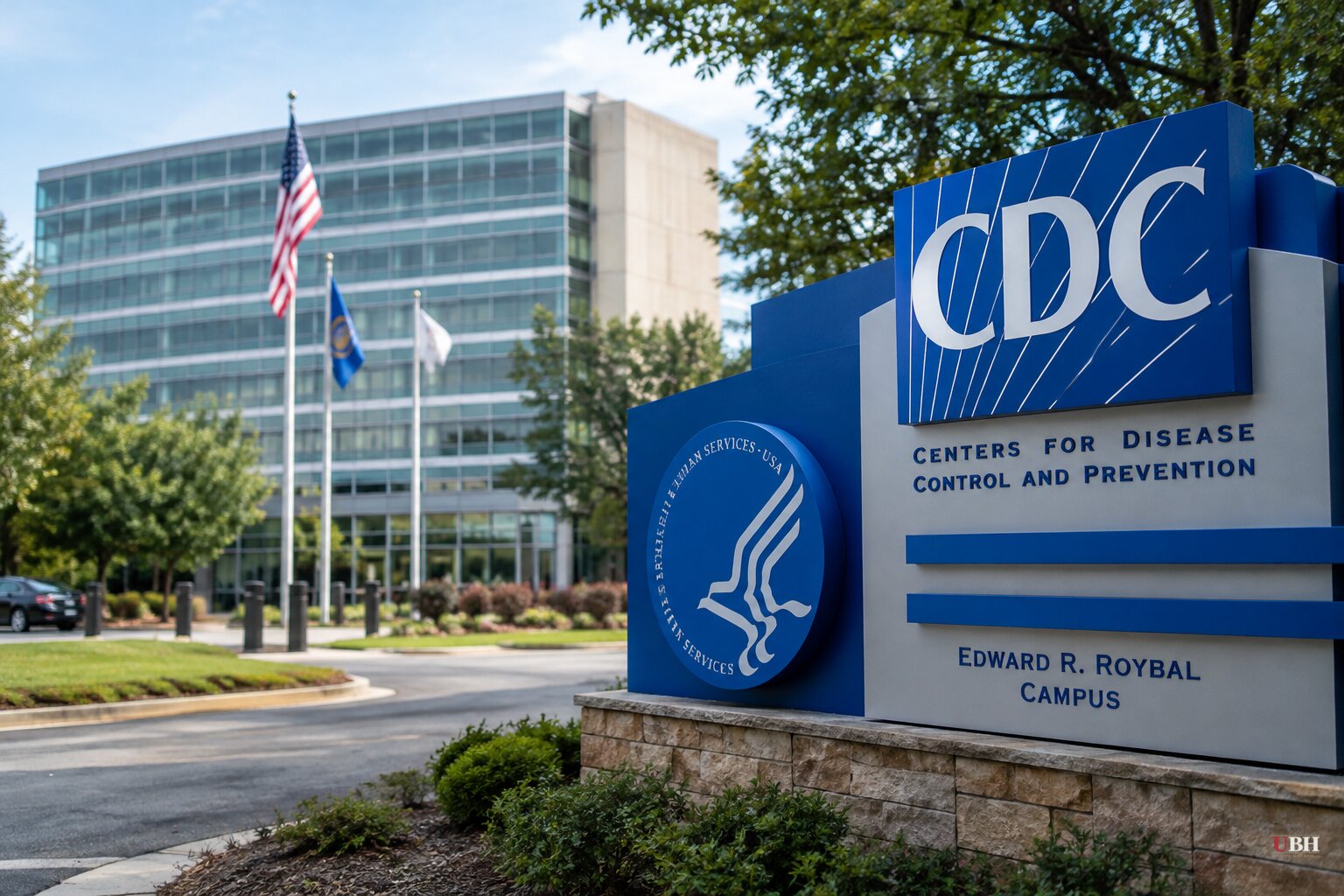
The Centers for Disease Control and Prevention let a major HIV prevention grant expire on Sept. 30, ending $29.2 million in federal money for 11 Texas community-based organizations.
Texas was the largest beneficiary in the country of the program, known as PS21-2102. Rolled out in 2021, it provided $239 million to community-based organizations nationwide. The Texas share went mostly to organizations in urban areas over the past five years.
The CDC did not respond to a request for comment on the decision.
What the money paid for
The grant covered the costs of HIV tests, connected Texans to care and paid for HIV prophylaxis, which almost completely protects against infection.
Community-based groups sit at the front of the testing pipeline. They generally enjoy more trust than clinics and tend to be much more effective at finding positive cases.
"The front line in the testing portion of it really are the community-based organizations — they're the ones that are in their community," said Philip Keiser, a professor at the University of Texas Medical Branch who studies HIV.
With the grant gone, the organizations have been left scrambling to find new sources of funding or pare back services.
The replacement money
PS21-2102 was unusual because it channeled funding directly to community groups. The CDC is now giving state health departments a one-time pot of money through May 2027.
The Texas Department of State Health Services (DSHS) was awarded just over $5.2 million. DSHS spokesperson Lara Anton wrote in an email that $1.2 million of it, almost a quarter, will flow to community-based organizations. The rest will go to "projects that support the HIV prevention and surveillance efforts funded through" another program.
That sum is a fraction of the more than $3 million Texas community organizations had been receiving annually from the CDC. State health departments are encouraged, but not required, to send 10% of those funds to community groups, and advocates worry states will prioritize testing in clinical settings at the expense of supporting them.
What it means on the ground
In Houston, Allies in Hope has been providing HIV-related care for more than four decades. Starting in 2021, it received about $441,000 annually from PS21-2102, which went to prevention measures including outreach and a mobile unit, CEO William Jeffrey Campbell explained. The grant covered more than a quarter of the 2,000 tests the organization administers yearly. Unless it finds new funding, the organization will have to reduce testing.
"That $441,000, with all that it encompasses, that takes out a good chunk of the number of people that we are able to test," Campbell said.
Texas ranks fifth in the nation for new HIV diagnoses per capita, according to 2024 data from AIDSVu, a mapping tool developed at Emory University in partnership with Gilead Sciences.
The case for community testing
Between 2012 and 2017, community-based organizations diagnosed a new case of HIV in 1.4% of CDC-funded tests, compared to only 0.5% for CDC-funded tests administered by local health departments. That translates to a rate of new diagnoses three times as high.
While both clinics and community groups are key parts of an effective prevention strategy, Keiser said, siphoning funding from community groups to support clinics is like "robbing Peter to pay Paul." At clinics, the onus typically falls on the patient to seek out care. Community groups more directly reach vulnerable groups, for instance by setting up testing stations at bars or nightclubs.
A wider squeeze on public health
Philip Huang, director of Dallas County Health and Human Services and vice chair of the state's Public Health Funding and Policy Committee, said HIV prevention has been a target since the start of the Trump administration. "From the start of this administration, we heard that HIV prevention was … under attack," he said.
The federal government has also slashed public health funding to Texas more broadly, including pandemic-era grant money going toward immunization efforts, lab capacity and investigation of infectious disease outbreaks.
Federal job cuts have wiped out administrative support and technical expertise that local health departments rely on, Huang said. "It's been chaotic, uncertain, so they're all making our job of trying to protect the public … much more difficult," he said.
What lawmakers are saying
Going into the next legislative session, lawmakers have started considering replacement funding at the state level, said state Rep. Venton Jones, a Dallas Democrat who is the first openly HIV-positive lawmaker to serve in the Legislature. He vowed to do everything he can to replace the eliminated federal dollars but warned state funding isn't a permanent solution.
"This is a huge hit to our ability to respond to the epidemic," Jones said. "Ultimately, we want to make sure that those funds are put back by the federal government, by the CDC, because those are critical."
The bottom line
The CDC owes Texans an explanation for why a grant that put testing in the hands of the most effective groups was allowed to lapse, and why the stopgap money is routed through the state at a fraction of the old annual funding. The state's one-time award runs only through May 2027, and only $1.2 million of it is set to reach community organizations.
Sources used for this briefing
6 links from 5 independent newsrooms (syndicated copies of the same report count once)
These are the sources it draws on, linked so you can verify.


