
Unbiased headlines. Facts, not spin.
Every story is an unbiased news briefing written from 110+ sources across the spectrum — sources linked so you can verify it yourself.
 health
Notable (5/10)
July 13, 2026 at 01:24 AM
health
Notable (5/10)
July 13, 2026 at 01:24 AM
CDC Confirms 843 Cyclosporiasis Cases in 31 States, But Michigan Alone Reports Nearly Double That Number
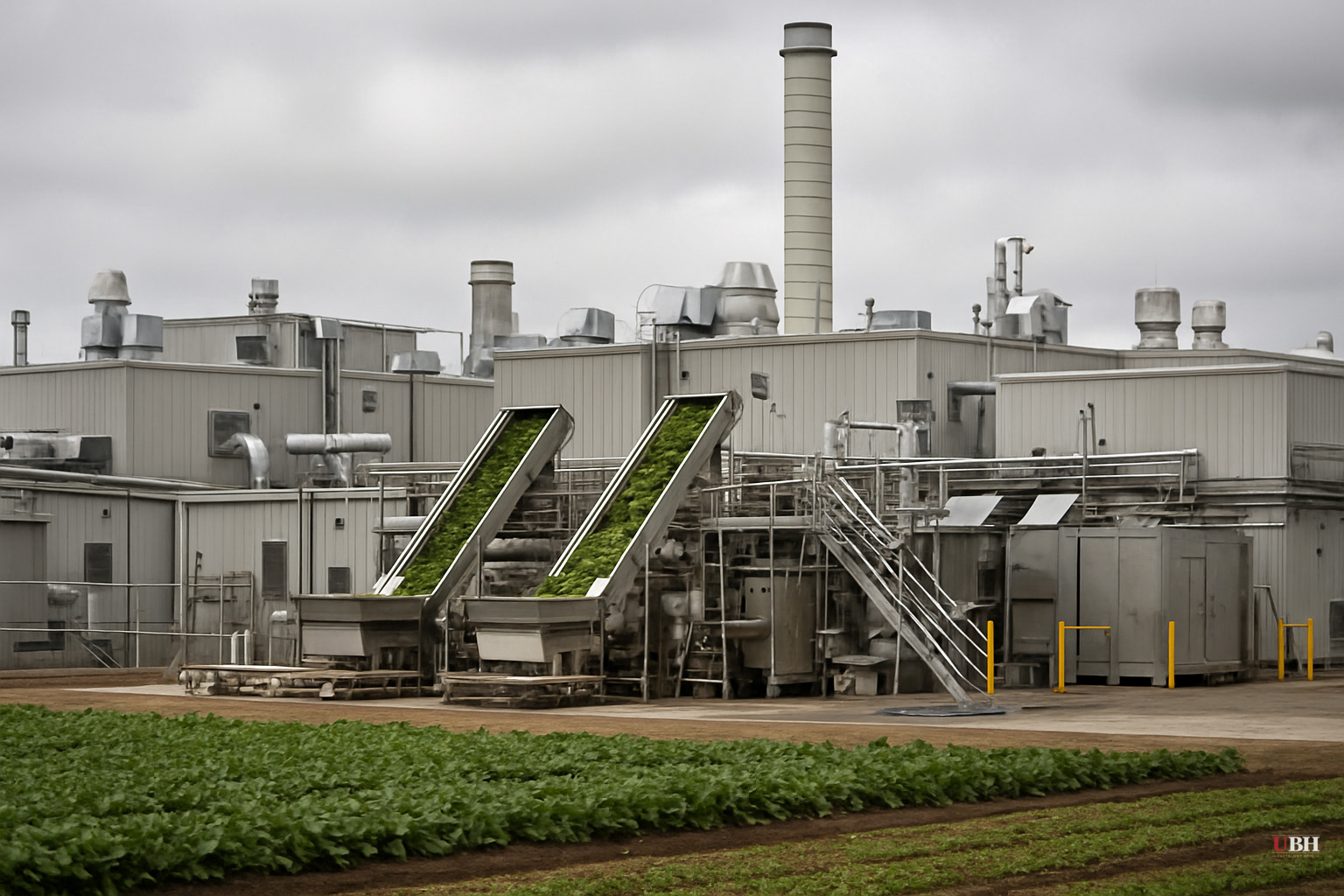
The Centers for Disease Control and Prevention has released its official tally of cyclosporiasis cases: 843 confirmed cases across 31 states as of Thursday, July 9, according to NPR. But that federal number is already being outpaced by what individual states are reporting on their own.
The gap isn't a contradiction. It's a reporting lag. The CDC's count only reflects cases states have formally reported up the chain to federal health authorities, and NPR notes there's roughly a six-week delay between when someone gets sick and when that case shows up in the national data. Michigan alone reported 1,562 cyclosporiasis cases as of Friday, July 10, nearly double the CDC's entire national count, because state health departments are seeing and logging cases faster than the federal system can absorb them.
What the numbers actually show
Of the CDC's 843 reported cases, 86 have required hospitalization. Zero deaths have been reported nationwide as of Thursday. Patients have ranged in age from 5 to 88, according to the CDC.
Ohio's health department reported 177 cases as of July 2, with most of those occurring in June. Dr. Bruce Vanderhoff, director of the Ohio Department of Health, called cyclosporiasis a "serious illness that can cause dehydration and require people to seek emergency medical care, and it should be taken seriously."
Cases have been reported from California to Texas to Florida since the start of May, according to NPR, but the heaviest concentrations appear to be in the Midwest and Northeast, particularly Michigan and New York.
Still no source identified
The CDC has not identified what food, water, or product is driving this year's surge.
Cyclospora is a parasite spread through food or water contaminated with fecal matter, and it has a documented history of hitching a ride on fresh produce. In 2018, McDonald's pulled salads from restaurants in 14 states after federal investigators linked them to dozens of cyclosporiasis cases. In 2013, tainted lettuce imported from Mexico was suspected in roughly 400 U.S. infections. Raspberries, basil, cilantro, snow peas and lettuce have all been implicated in past outbreaks, according to the FDA as cited by NPR.
Investigators track down the source by interviewing sick patients about what they ate. Symptoms can take anywhere from two days to two weeks or longer to appear after infection, which means people are often asked to recall meals from a month or more in the past. Memory gaps limit how fast this kind of outbreak can be solved, a structural problem with how foodborne illness tracing works rather than a sign of incompetence.
A fair critic of the current surveillance system could reasonably point out that a six-week reporting lag, combined with reliance on faulty patient recall, means the public is always working with stale, incomplete data during a live outbreak. There's no evidence in CDC or state reporting that anyone is sitting on information or slow-walking a fix. The lag is a known feature of the federal reporting pipeline.
It's also typical for cyclosporiasis cases to climb every spring and summer. What's abnormal this year, per the CDC's Thursday update, is that multiple states reported a sharper two-week jump in cases than they saw during the same stretch last year.
The national case count is expected to keep climbing as the six-week reporting backlog catches up with what states like Michigan and Ohio are already seeing on the ground. Until the CDC and FDA trace this back to a specific product, grocery shoppers in the hardest-hit states have no way of knowing what to avoid buying.
Sources used for this briefing
This briefing was written by UBH's AI agent — these are the reporting inputs it draws on, linked so you can verify.


